 Guv's Gardens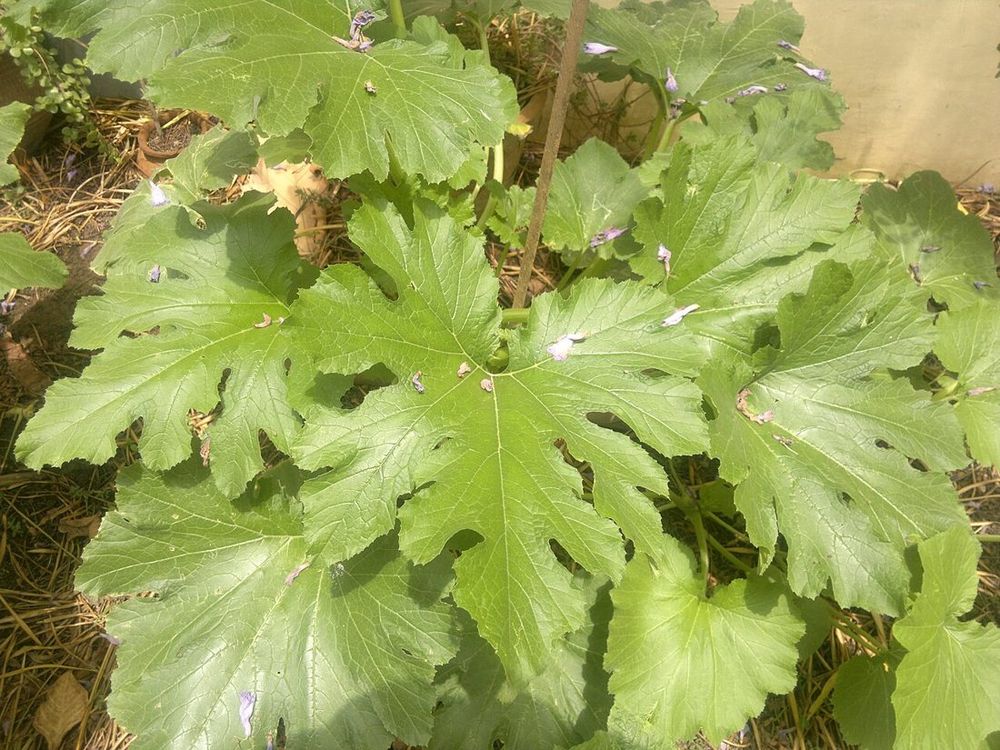
Photo: Tarunpant, CC BY-SA 3.0, via Wikimedia Commons

- Sun
- Full sun
- Soil
- Moist, well-drained soil rich in organic matter
- Soil pH
- 6.0-6.5 (tolerates neutral to slightly alkaline soil)
- Water
- About 1 in per week, soaking to about 6 in. Water the soil, not the leaves. Watering is critical during fruit set
- Hardiness
- Frost-tender warm-season annual (USDA zones 3-11)
- Height and spread
- 1-3 ft tall. Bush types are compact; vining types spread widely (2-25 ft across different types)

Guv's tipDon't prune your zucchini; those big leaves feed the fruit and shade the soil. Water the soil, not the leaves, especially during fruit set.
Through the year
Months are a rough guide. Time it by your own frost dates: after last frost (warm season).
When to plant
Sow direct after the last frost when the soil is 60-70°F: South Carolina coast mid Mar-Jul (fall Aug), South Carolina Piedmont mid Apr-Jul (fall mid Jul-mid Aug), Minnesota late May-early Jun
Harvest or flowering
Summer (about Jun-Sep, depending on region). About 55 days from planting. Pick young, glossy and tender
Pruning
Not required. Squash are not usually pruned because the large leaves feed the fruit and shade the soil. At most, remove a few damaged or crowding leaves
Making more plants
Seed, sown direct (transplanting often damages roots)
Watch out for
Squash vine borer
Look for: Sudden wilting of whole plant; holes and sawdust-like frass at stem base
What to do: Row covers from vining until about 2 weeks after first adults (not where cucurbits grew last year); plant early; pull and destroy killed plants
Squash bug
Look for: Gray-brown bugs in groups, bronze egg clusters; leaves wilt and look ragged
What to do: Hand-pick into soapy water, crush eggs, board traps, remove debris
Powdery mildew
Podosphaera xanthii (also Golovinomyces cichoracearum)Look for: White powdery patches on leaves and vines
What to do: Resistant varieties; labeled fungicide when first found
Bacterial wilt
Erwinia tracheiphilaLook for: Runners wilt and die; less severe on squash than cucumber
What to do: No cure; control cucumber beetles, remove infected plants
Always read and follow the label on any treatment, and check it is approved for use where you live.
Safety and spread
Pets and people: Non-toxic to dogs, cats and horses (ASPCA, zucchini squash)
Weed risk: Not on the federal noxious weed list. The USDA PLANTS database shows no federal or state noxious or invasive status
Growing somewhere else? See this plant for the UK and Australia.
The Plant Doctor and the Guv's book
Printable pest and disease charts with real photographs, and all 50 USA plants in one book.