 Guv's Gardens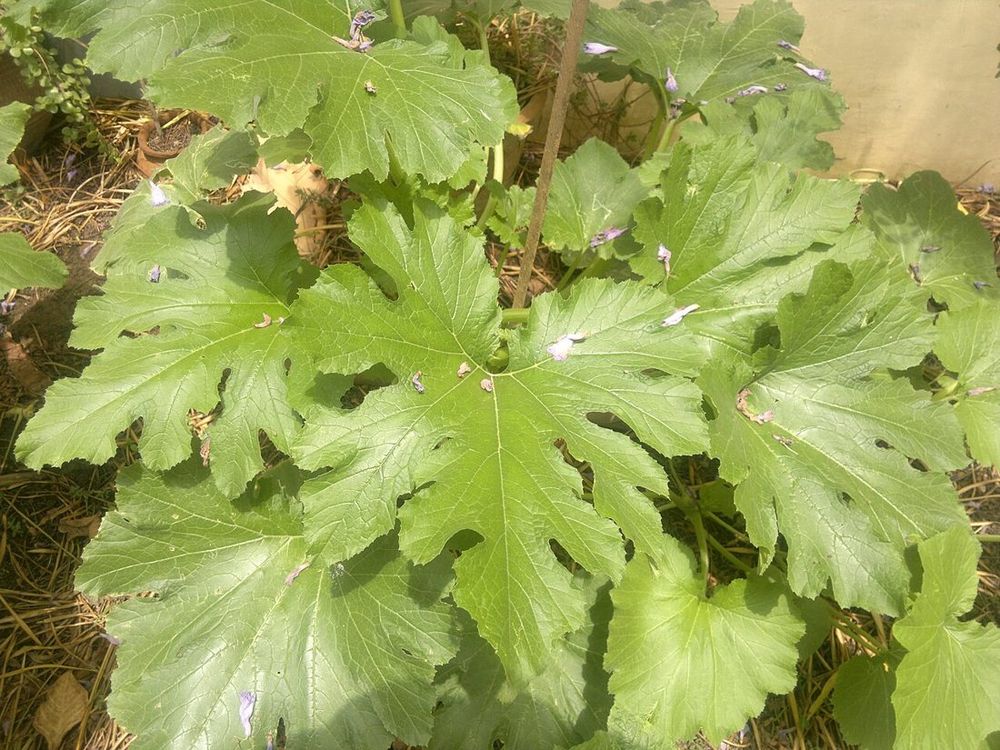
Photo: Tarunpant, CC BY-SA 3.0, via Wikimedia Commons

- Sun
- Full sun, sheltered
- Soil
- Rich, moisture-retentive, with lots of organic matter
- Soil pH
- Neutral, about pH 6.0-7.5
- Water
- Water generously, especially once fruiting
- Hardiness
- Tender (frost-tender)
- Height and spread
- About 90cm tall × 90cm or more spread (bush)

Guv's tipFeed the soil with lots of organic matter and water generously once fruiting starts. Oh, and never eat a bitter courgette. Trust me on this one.
Through the year
Timings are for the UK as a whole. Northern and exposed gardens often run a couple of weeks later.
When to plant
Sow indoors Apr-May or outdoors late May-early Jun. Plant out late May-Jun after the last frost
Harvest or flowering
Harvest Jul-Oct
Pruning
None needed; remove old leaves if mildewed
Making more plants
Seed
Watch out for
Slugs and snails
Look for: Irregular holes in leaves, slime trails, seedlings eaten
What to do: Hand-pick at night, barriers, beer traps, encourage predators; ferric phosphate pellets sparingly
Powdery mildew
Various (Erysiphales)Look for: White powdery coating on leaves
What to do: Water in dry spells, mulch, improve air flow, resistant cultivars
Downy mildew
Various oomycetesLook for: Yellow patches above, grey/purple growth below leaves
What to do: Remove affected leaves, improve air flow, avoid wetting foliage
Grey mould
Botrytis cinereaLook for: Fuzzy grey mould on flowers, fruit or stems, rotting
What to do: Remove affected parts, improve ventilation, avoid overcrowding
Cucumber mosaic virus
Cucumber mosaic virus (CMV)Look for: Mottled, distorted leaves, stunting, poor fruit
What to do: Destroy infected plants, control aphids, resistant cultivars
Always read and follow the label on any treatment, and check it is approved for use where you live.
Safety and spread
Pets and people: Non-toxic to dogs, cats and horses (listed as zucchini by the ASPCA). Very bitter fruit can contain cucurbitacins and cause poisoning: do not eat bitter courgettes
Weed risk: None known
Growing somewhere else? See this plant for the USA and Australia.
The Plant Doctor and the Guv's book
Printable pest and disease charts with real photographs, and all 50 UK plants in one book.