 Guv's Gardens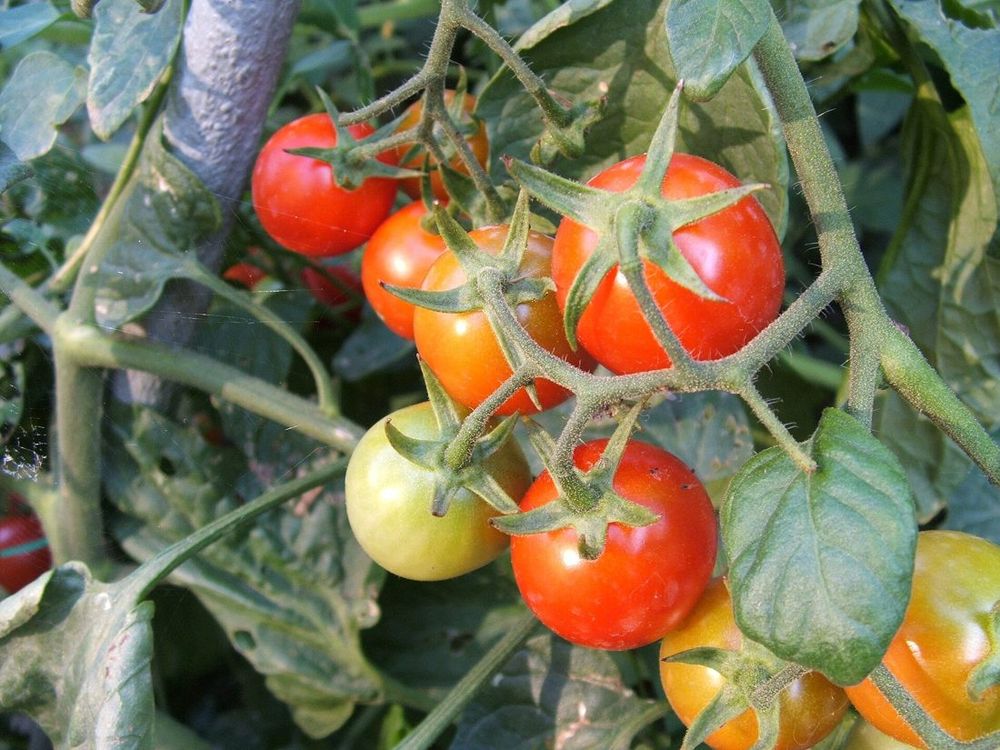
Photo: Luigi Chiesa, CC BY-SA 3.0, via Wikimedia Commons

- Sun
- Full sun
- Soil
- Well-drained, moist, loamy soil high in organic matter
- Soil pH
- About 5.8-6.8 (recommendations vary from 5.5 to 7.0; 6.0-6.5 suits most advice)
- Water
- Water deeply and consistently, about 1 in per week. Avoid overhead watering. Uneven moisture causes blossom-end rot and fruit cracking
- Hardiness
- Frost-tender. Grown as a warm-season annual that needs a frost-free season (perennial only in frost-free climates)
- Height and spread
- 1-10 ft tall x 1-4 ft wide (determinate/bush types about 2-2.5 ft; indeterminate vines 3-5 ft or more)

Guv's tipWater tomatoes deeply and consistently, about an inch a week, and avoid overhead watering. Uneven moisture causes blossom-end rot and cracking. Trust me on this one.
Through the year
Months are a rough guide. Time it by your own frost dates: after last frost (warm season).
When to plant
Transplant after the last frost once the soil warms: South Carolina coast Mar-Apr, South Carolina Piedmont May-Jun, Minnesota late May-Jun. Start seed indoors 5-8 weeks earlier
Harvest or flowering
Summer to the first fall frost (about Jun-Oct, depending on region). First harvest 52-90 days depending on cultivar, or 2-5 months from seed
Pruning
Staked plants: remove suckers to keep 1-2 main stems. Bush (determinate) types need no pruning
Making more plants
Seed started indoors, or purchased transplants
Watch out for
Tomato hornworm
Look for: Large green caterpillars with a rear 'horn'; chewed leaves and fruit; dark droppings
What to do: Hand-pick; Bt (Bacillus thuringiensis) or spinosad on young caterpillars; till after harvest
Aphids
Look for: Colonies on shoots; curled, discolored, sticky leaves
What to do: Strong water spray; insecticidal soap, horticultural oil or neem; conserve lady beetles and other natural enemies
Early blight
Alternaria solani / A. linariaeLook for: Brown spots with target-like concentric rings on older lower leaves first; yellowing around spots; stem and fruit lesions
What to do: Resistant varieties, mulch, water at plant base, remove spotted leaves, rotate; labeled fungicide (e.g. chlorothalonil) if needed
Fusarium wilt
Fusarium oxysporum f. sp. lycopersiciLook for: One-sided yellowing and wilting starting on lower leaves; brown streaks in stem vascular tissue
What to do: No cure; resistant cultivars ('F' on label), rotation
Blossom-end rot
Non-infectious (calcium supply disrupted by uneven soil moisture)Look for: Sunken dark leathery patch at fruit base
What to do: Consistent watering, mulch, lime only per soil test
Always read and follow the label on any treatment, and check it is approved for use where you live.
Safety and spread
Pets and people: Leaves and stems are toxic. The ASPCA lists the tomato plant as toxic to dogs, cats and horses (solanine); ripe fruit is non-toxic. NC State Extension rates the leaves and stems medium severity, and the University of California lists the non-fruit parts as highly toxic and a skin irritant
Weed risk: Not on the federal noxious weed list. The USDA PLANTS database shows no federal or state noxious or invasive status
Growing somewhere else? See this plant for the UK and Australia.
The Plant Doctor and the Guv's book
Printable pest and disease charts with real photographs, and all 50 USA plants in one book.