 Guv's Gardens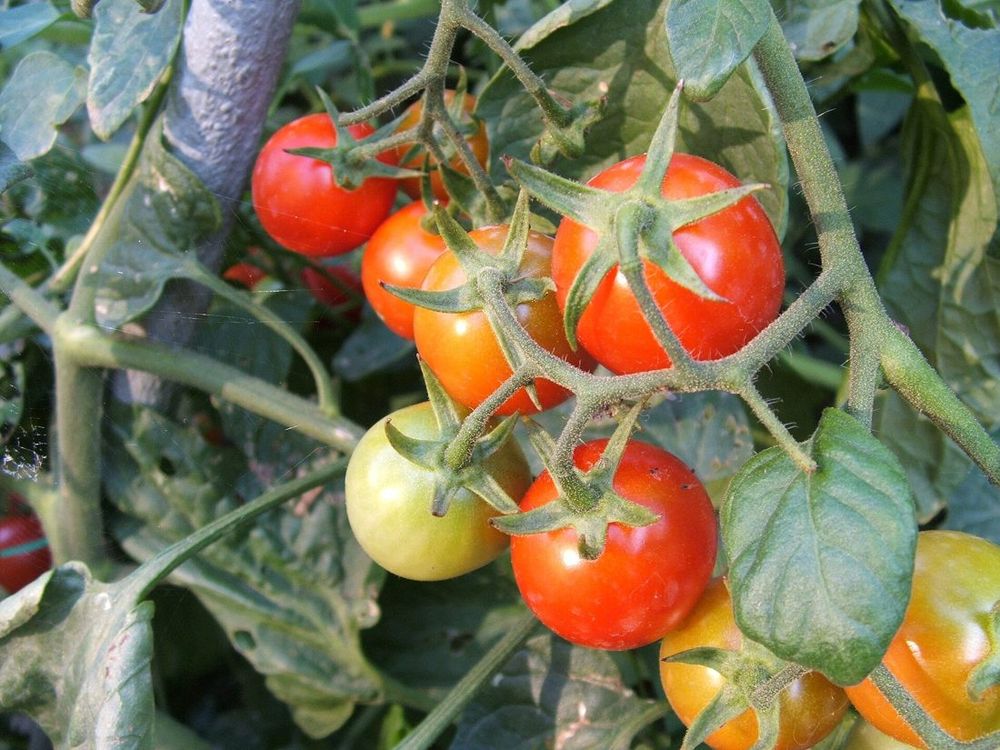
Photo: Luigi Chiesa, CC BY-SA 3.0, via Wikimedia Commons

- Sun
- Full sun.
- Soil
- Compost-rich and well-drained.
- Soil pH
- 5.5-7.5 (slightly acidic to neutral).
- Water
- Consistent, deep watering at the roots. Fluctuating moisture causes fruit splitting and blossom end rot.
- Hardiness
- Frost-tender warm-season crop. Grown in all Australian climate zones (year-round in the tropics and subtropics, best in the dry season).
- Height and spread
- Bush (determinate) types about 0.5-0.6 m; vining (indeterminate) types 1.8-3 m and need staking.
Guv's tipWater tomatoes consistently and deeply at the roots. Fluctuating moisture causes fruit splitting and blossom end rot. Trust me on this one.
Through the year
Timings are for temperate Australia. Tropical and arid gardens follow different seasons.
When to plant
Temperate, cool and cold areas: spring once frost risk has passed (Sep-Nov; Tasmania Oct-Jan). Tropics and subtropics: the autumn-winter dry season (e.g. March).
Harvest or flowering
10-12 weeks after planting; summer-autumn in southern states.
Pruning
Bush types need no pruning. Stake vining types and remove side shoots (laterals), or limit them to a few strong stems.
Making more plants
Seed (sow indoors in late winter, or direct after frost).
Watch out for
Queensland fruit fly
Look for: Tiny sting or puncture marks on fruit; maggots inside ripening fruit.
What to do: Use exclusion netting or fruit bags, traps, and bait sprays or gels. Destroy infested fruit: bag and freeze for about 2 days, solarise in sealed bags for 14+ days, or boil or microwave.
Whitefly
Look for: Tiny white flying insects under leaves; sticky honeydew; sooty mould.
What to do: Yellow sticky traps, insecticidal soap or a registered pyrethrum spray applied to leaf undersides.
Early blight (target spot)
Alternaria solani (and related Alternaria spp.)Look for: Dark brown spots with concentric rings, on lower leaves first; leaves yellow and die.
What to do: Remove affected lower leaves, avoid wetting foliage, rotate crops, and apply a registered fungicide preventatively.
Blossom end rot
Physiological (calcium deficiency linked to irregular watering).Look for: Dark, sunken, leathery patch at the base of the fruit.
What to do: Water consistently, mulch, and add a calcium-containing soil amendment.
Always read and follow the label on any treatment, and check it is approved for use where you live.
Safety and spread
Pets and people: Green parts (leaves, stems and unripe fruit) are toxic to dogs, cats and horses (solanine/tomatine). Ripe fruit is non-toxic.
Weed risk: Not listed as a weed on Weeds Australia or the Queensland restricted invasive plant list.
Growing somewhere else? See this plant for the UK and the USA.
The Plant Doctor and the Guv's book
Printable pest and disease charts with real photographs, and all 50 Australia plants in one book.