 Guv's Gardens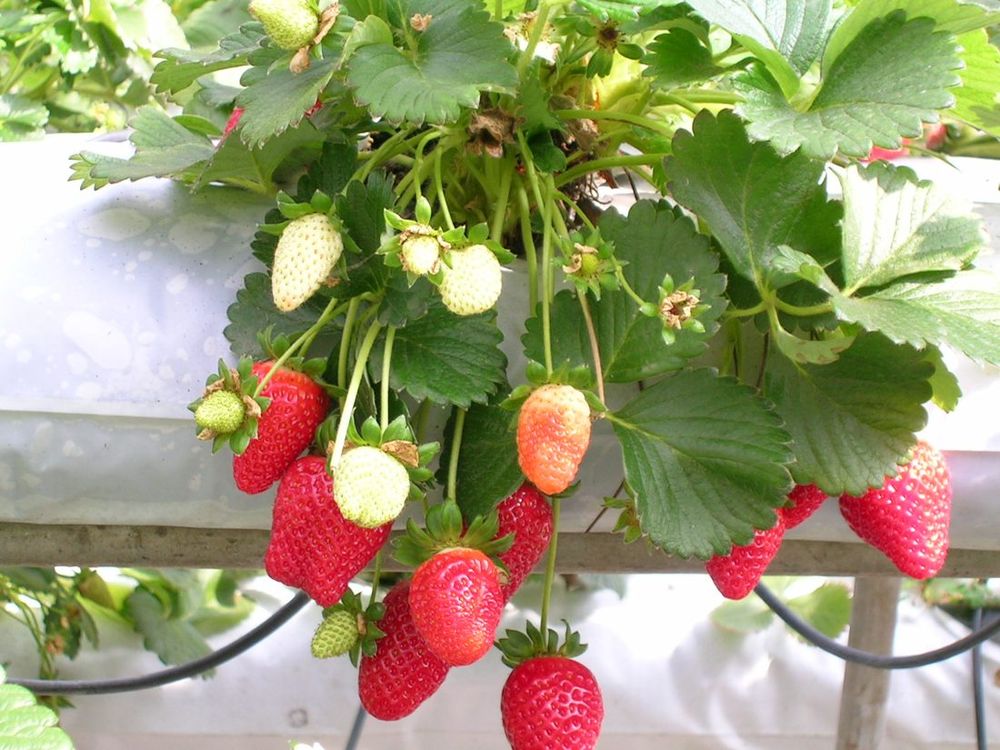
Photo: Unknown, CC BY-SA 2.0, via Wikimedia Commons

- Sun
- Full sun (at least 6-8 hours); tolerates part shade
- Soil
- Loose, fertile, well-drained soil high in organic matter. Avoid standing water
- Soil pH
- About 5.5-6.5 (most advice is 5.8-6.5)
- Water
- About 1 in per week. Short roots need frequent watering, but plants are sensitive to waterlogging
- Hardiness
- Perennial, USDA zones 5-9. Some cultivars are hardy to zone 4 with winter mulch (zone 3 needs extra cover)
- Height and spread
- 6-12 in tall (up to 16 in) x 1-2 ft wide. Runners extend further

Guv's tipPinch off strawberry flowers for the first weeks after planting. Then renovate June-bearing beds right after harvest by mowing the foliage and thinning rows.
Through the year
Months are a rough guide. Time it by your own frost dates.
When to plant
Early spring (fall planting is not recommended in the North because of frost heaving)
Harvest or flowering
Flowers from mid-May in Minnesota. June-bearers fruit late May-early Jul depending on region; everbearing and day-neutral types fruit from early summer to fall
Pruning
Pinch off flowers for the first weeks after planting and manage runners. Renovate June-bearing beds right after harvest (mow the foliage and thin the rows)
Making more plants
Runners (daughter plants). Buy certified plants
Watch out for
Tarnished plant bug
Look for: Small, seedy, deformed berries
What to do: Remove nearby weeds; monitor green fruit; labeled insecticide if needed, not during bloom
Slugs
Look for: Holes eaten into ripening fruit, slime trails
What to do: Hand-pick, traps, iron phosphate bait, reduce damp hiding places
Gray mold (Botrytis fruit rot)
Botrytis cinereaLook for: Fuzzy gray mold on berries, worse in cool wet weather
What to do: Fresh straw mulch, avoid excess irrigation, remove debris and rotting fruit; resistant varieties, fungicides
Common leaf spot
Mycosphaerella fragariaeLook for: Small purple spots with pale centers on leaves
What to do: Resistant varieties, renovation and debris removal, row spacing for airflow
Always read and follow the label on any treatment, and check it is approved for use where you live.
Safety and spread
Pets and people: Non-toxic to dogs, cats and horses (ASPCA)
Weed risk: Not on the federal noxious weed list. The USDA PLANTS database shows no federal or state noxious or invasive status
Growing somewhere else? See this plant for the UK and Australia.
The Plant Doctor and the Guv's book
Printable pest and disease charts with real photographs, and all 50 USA plants in one book.