 Guv's Gardens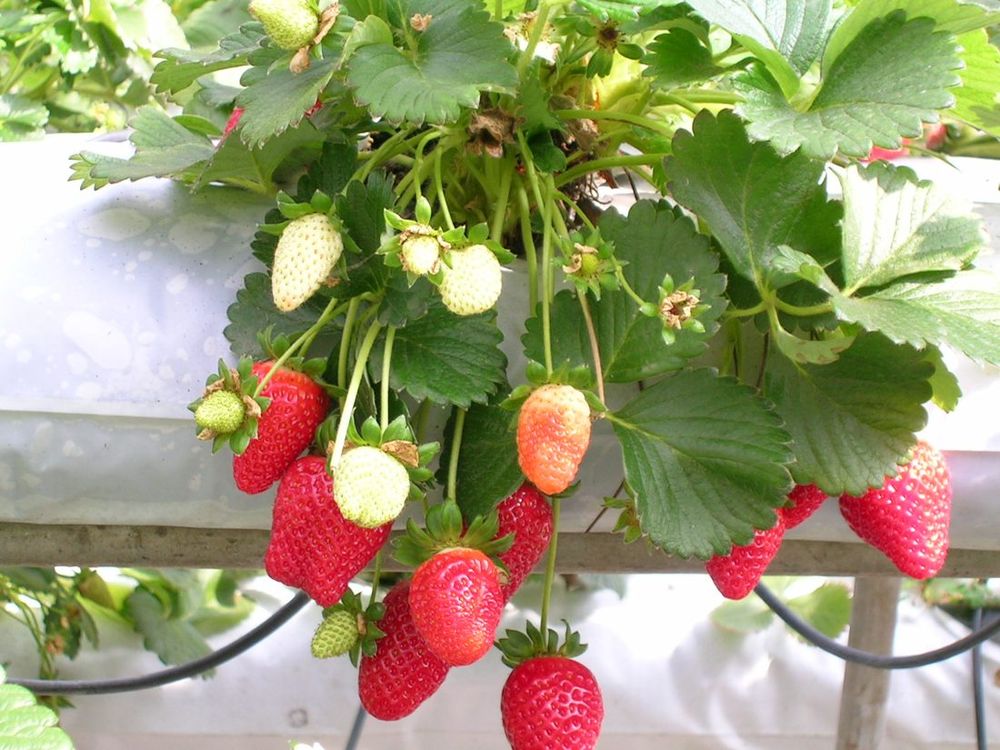
Photo: Unknown, CC BY-SA 2.0, via Wikimedia Commons

- Sun
- Full sun
- Soil
- Fertile, well-drained
- Soil pH
- Slightly acid, about pH 5.5-6.5
- Water
- Regular watering; avoid wetting fruit
- Hardiness
- Fully hardy plants; flowers can be damaged by frost
- Height and spread
- 15-30cm tall, 30-45cm spread

Guv's tipAfter fruiting, clear away old leaves and runners. Water regularly, but try not to wet the fruit itself. Simple as that.
Through the year
Timings are for the UK as a whole. Northern and exposed gardens often run a couple of weeks later.
When to plant
Plant in spring (by May at the latest) or late summer to early autumn (Aug-Sep best). Plant cold-stored runners in late spring to early summer
Harvest or flowering
Harvest Jun-Oct (summer-fruiting and everbearers)
Pruning
Remove old leaves and runners after fruiting
Making more plants
Runners pegged down in summer
Watch out for
Slugs and snails
Look for: Irregular holes in leaves, slime trails, seedlings eaten
What to do: Hand-pick at night, barriers, beer traps, encourage predators; ferric phosphate pellets sparingly
Vine weevil
Look for: Notched leaf edges (adults); C-shaped grubs eat roots, plants wilt and collapse
What to do: Nematode drench (Steinernema kraussei) in late summer/autumn, pick off adults at night
Spotted wing drosophila
Look for: Soft collapsing fruit with small larvae
What to do: Pick promptly, remove fallen fruit, fine mesh
Aphids
Look for: Colonies of small green/black insects on shoot tips, sticky honeydew, distorted leaves
What to do: Squash or wash off, encourage ladybirds and other predators; insecticidal soap if severe
Grey mould
Botrytis cinereaLook for: Fuzzy grey mould on flowers, fruit or stems, rotting
What to do: Remove affected parts, improve ventilation, avoid overcrowding
Strawberry viruses
Various virusesLook for: Stunting, leaf mottling, reduced crop
What to do: Buy certified stock, renew plants every 3-4 years
Verticillium wilt
Verticillium spp.Look for: Wilting, yellowing of older leaves
What to do: Remove plants; do not replant susceptible crops there
Always read and follow the label on any treatment, and check it is approved for use where you live.
Safety and spread
Pets and people: Non-toxic to dogs, cats and horses, according to the ASPCA
Weed risk: None known
Growing somewhere else? See this plant for the USA and Australia.
The Plant Doctor and the Guv's book
Printable pest and disease charts with real photographs, and all 50 UK plants in one book.