 Guv's Gardens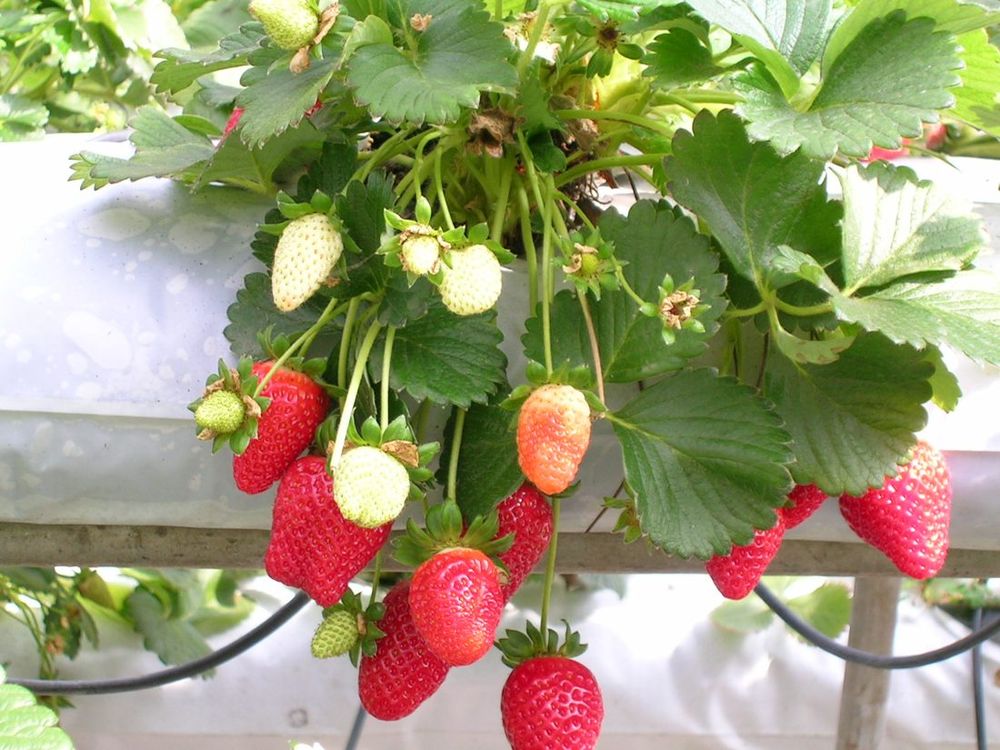
Photo: Unknown, CC BY-SA 2.0, via Wikimedia Commons

- Sun
- Full sun.
- Soil
- Fertile, well-drained and slightly acidic.
- Soil pH
- 5.5-7.0 (slightly acidic preferred).
- Water
- Water regularly and keep moist; mulch with straw to keep fruit off the soil.
- Hardiness
- Cool to subtropical climates (frost protection in cold areas); difficult in the tropics without suitable varieties.
- Height and spread
- About 15-30 cm high, spreading by runners.
Guv's tipMulch strawberries with straw to keep the fruit off the soil, and net over the bed or the birds will beat you to them.
Through the year
Timings are for temperate Australia. Tropical and arid gardens follow different seasons.
When to plant
Mainly autumn (also spring), depending on planting material and region.
Harvest or flowering
Fruits in spring-summer in southern states.
Pruning
Remove old leaves and excess runners; replace tired plants with runners.
Making more plants
Runners (stolons), crowns or seed.
Watch out for
Snails and slugs
Look for: Holes chewed in leaves and seedlings; slime trails.
What to do: Hand-pick at night, protect seedlings, and use a registered snail and slug bait sparingly (e.g. iron-based).
Birds
Look for: Pecked or missing ripe fruit.
What to do: Net over the bed.
Grey mould
Botrytis cinereaLook for: Fuzzy grey mould on fruit; soft rot.
What to do: Mulch, give good airflow, remove affected fruit promptly, and avoid overhead watering.
Always read and follow the label on any treatment, and check it is approved for use where you live.
Safety and spread
Pets and people: Non-toxic to dogs, cats and horses (ASPCA); generally safe for dogs.
Weed risk: Not listed as a weed on Weeds Australia or the Queensland restricted invasive plant list.
Growing somewhere else? See this plant for the UK and the USA.
The Plant Doctor and the Guv's book
Printable pest and disease charts with real photographs, and all 50 Australia plants in one book.