 Guv's Gardens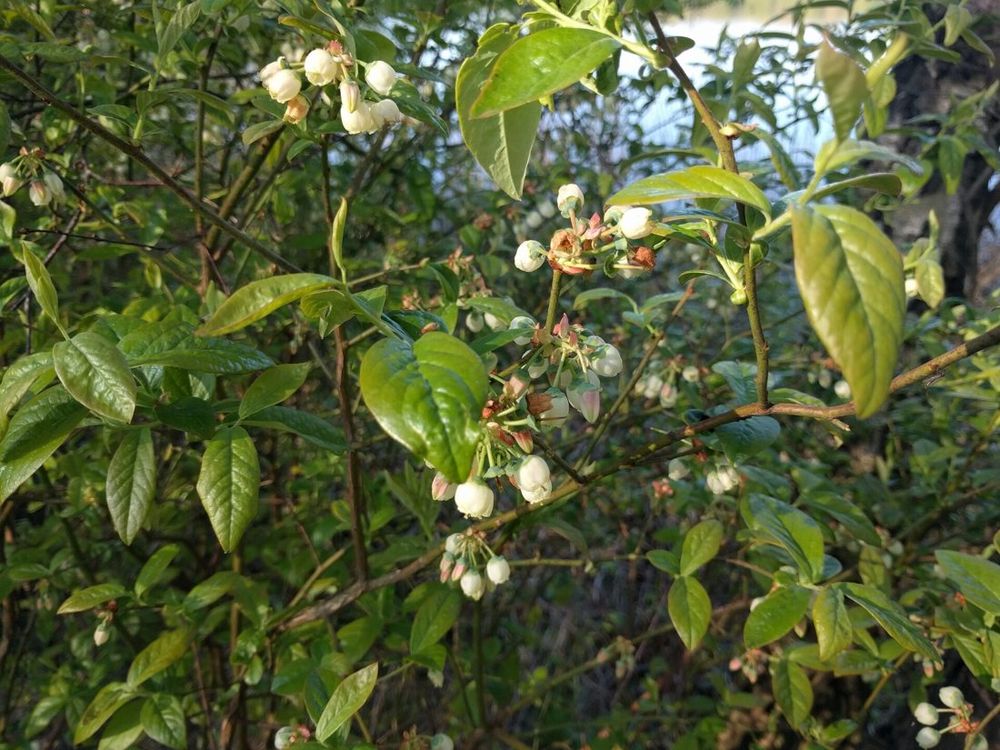
Photo: Michel Langeveld, CC BY-SA 4.0, via Wikimedia Commons

- Sun
- Full sun
- Soil
- Acid, moist, well-drained soil high in organic matter
- Soil pH
- About 4.0-5.5
- Water
- 1-2 in per week. Roots are shallow, so mulch
- Hardiness
- USDA zones 3-8. Half-high types suit zones 3-4; rabbiteye and southern highbush suit zones 7-9
- Height and spread
- Highbush 6-12 ft x 6-10 ft; half-high cultivars 2-5 ft
Guv's tipBlueberries need acid soil, and their roots are shallow, so mulch. In late winter, remove the oldest canes and any weak growth.
Through the year
Months are a rough guide. Time it by your own frost dates.
When to plant
Bare-root in late winter to early spring (Feb-Apr), as soon as the soil can be worked. In the South, also fall to early winter (Nov-Dec)
Harvest or flowering
Flowers Apr-May; harvest Jun-Aug
Pruning
Late winter: remove the oldest canes (over 6 years) and weak growth
Making more plants
Stem cuttings. Buy named cultivars from nurseries; seed does not come true to type
Watch out for
Spotted wing drosophila
Look for: Soft, leaky ripe fruit with larvae
What to do: Prompt harvest, netting, labeled insecticide
Birds
Look for: Missing fruit
What to do: Netting
Mummy berry
Monilinia vaccinii-corymbosiLook for: Wilted shoots in spring; berries shrivel into gray-pink 'mummies'
What to do: Rake/bury mummies, mulch, resistant cultivars, labeled fungicide at bud break
Iron chlorosis
Non-infectious (soil pH too high)Look for: Yellow leaves, first sign of pH problem
What to do: Lower pH with sulfur; test soil every 1-2 years
Always read and follow the label on any treatment, and check it is approved for use where you live.
Safety and spread
Pets and people: Not listed on the ASPCA toxic plant list, and NC State Extension does not flag it as toxic. The fruit is safe for dogs
Weed risk: None. Native shrub; not on the federal noxious weed list, and no noxious status in the USDA PLANTS database
Growing somewhere else? See this plant for the UK and Australia.
The Plant Doctor and the Guv's book
Printable pest and disease charts with real photographs, and all 50 USA plants in one book.