 Guv's Gardens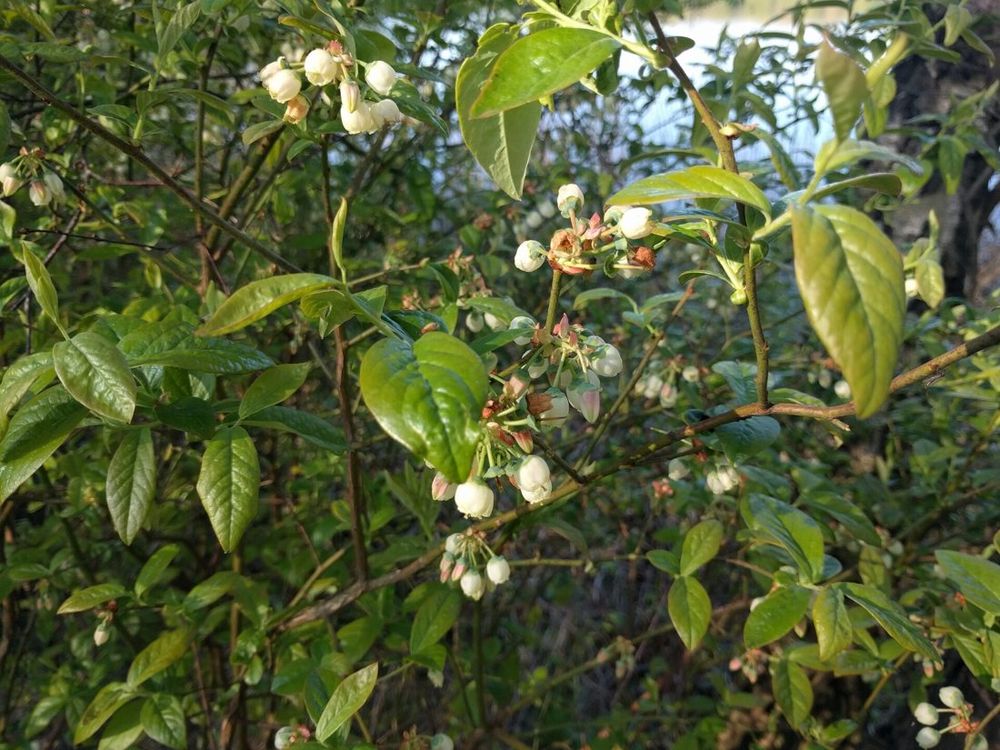
Photo: Michel Langeveld, CC BY-SA 4.0, via Wikimedia Commons

- Sun
- Full sun (6+ hours), with protection from hot afternoon sun; tolerates part shade.
- Soil
- Acidic, rich in organic matter and very well-drained; keep moist, not wet.
- Soil pH
- 4.0-5.5.
- Water
- Water regularly through the growing season (every 2-3 days when establishing), then about weekly; avoid waterlogging.
- Hardiness
- Northern highbush for cool climates (Vic, Tas); southern highbush and rabbiteye for temperate to subtropical areas (low-chill types fruit even in the subtropics).
- Height and spread
- 1-2 m (dwarf and compact types about 1-1.2 m).
Guv's tipBlueberries want acidic, very well-drained soil kept moist, not wet. Net the bushes before the fruit colours, or the birds win.
Through the year
Timings are for temperate Australia. Tropical and arid gardens follow different seasons.
When to plant
Late autumn to early spring (about May-Sep); bare-root in winter.
Harvest or flowering
Flowers in spring; harvest Oct-Feb (mainly summer). Early types from late winter or spring.
Pruning
Little needed for the first years. Remove old or dead wood in late winter; trim lightly in the growing season (fruit forms on the outer tips).
Making more plants
Softwood or semi-ripe stem cuttings; nursery plants.
Watch out for
Birds
Look for: Ripe fruit pecked or missing.
What to do: Net bushes before the fruit colours.
Root rot
Phytophthora cinnamomiLook for: Yellowing leaves, leaf-margin burn, small terminal leaves, leaf drop and dieback; worse after waterlogging.
What to do: Ensure very good drainage and avoid overwatering.
Always read and follow the label on any treatment, and check it is approved for use where you live.
Safety and spread
Pets and people: Not listed by the ASPCA. Non-toxic; the fruit is generally safe for dogs in moderation.
Weed risk: Not a declared weed in Victoria or Queensland.
Growing somewhere else? See this plant for the UK and the USA.
The Plant Doctor and the Guv's book
Printable pest and disease charts with real photographs, and all 50 Australia plants in one book.