 Guv's Gardens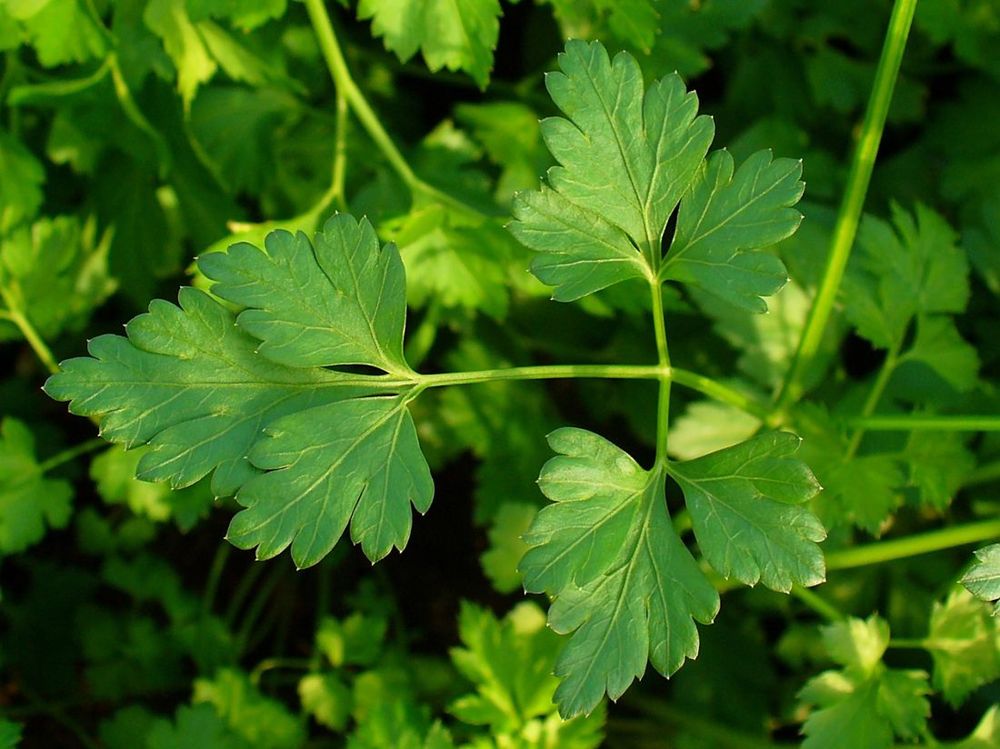
Photo: H. Zell, CC BY-SA 3.0, via Wikimedia Commons

- Sun
- Full sun to part shade
- Soil
- Moist, fertile
- Soil pH
- Acid to neutral; tolerates alkaline soil
- Water
- Keep moist
- Hardiness
- Hardy biennial, RHS H6; usually grown as an annual
- Height and spread
- 30-60cm tall, 15-30cm spread (range 20-90cm)
Guv's tipParsley is slow to germinate, up to six weeks, so don't give up on it. Sow successionally from March to August.
Through the year
Timings are for the UK as a whole. Northern and exposed gardens often run a couple of weeks later.
When to plant
Sow Mar-Aug, successionally (slow to germinate, up to 6 weeks). Plant out Apr-Jun
Harvest or flowering
Harvest May-Nov
Pruning
Remove flower stems
Making more plants
Seed
Watch out for
Carrot fly
Look for: Rusty-brown tunnels in roots, reddish foliage
What to do: Insect-proof mesh barrier from sowing, sow thinly to avoid thinning, later sowing
Slugs and snails
Look for: Irregular holes in leaves, slime trails, seedlings eaten
What to do: Hand-pick at night, barriers, beer traps, encourage predators; ferric phosphate pellets sparingly
Always read and follow the label on any treatment, and check it is approved for use where you live.
Safety and spread
Pets and people: Edible herb. The ASPCA lists parsley as toxic to dogs, cats and horses (furanocoumarins cause photosensitisation), but large amounts are needed. Low severity
Weed risk: Not listed as an invasive plant in Great Britain
Growing somewhere else? See this plant for the USA and Australia.
The Plant Doctor and the Guv's book
Printable pest and disease charts with real photographs, and all 50 UK plants in one book.