 Guv's Gardens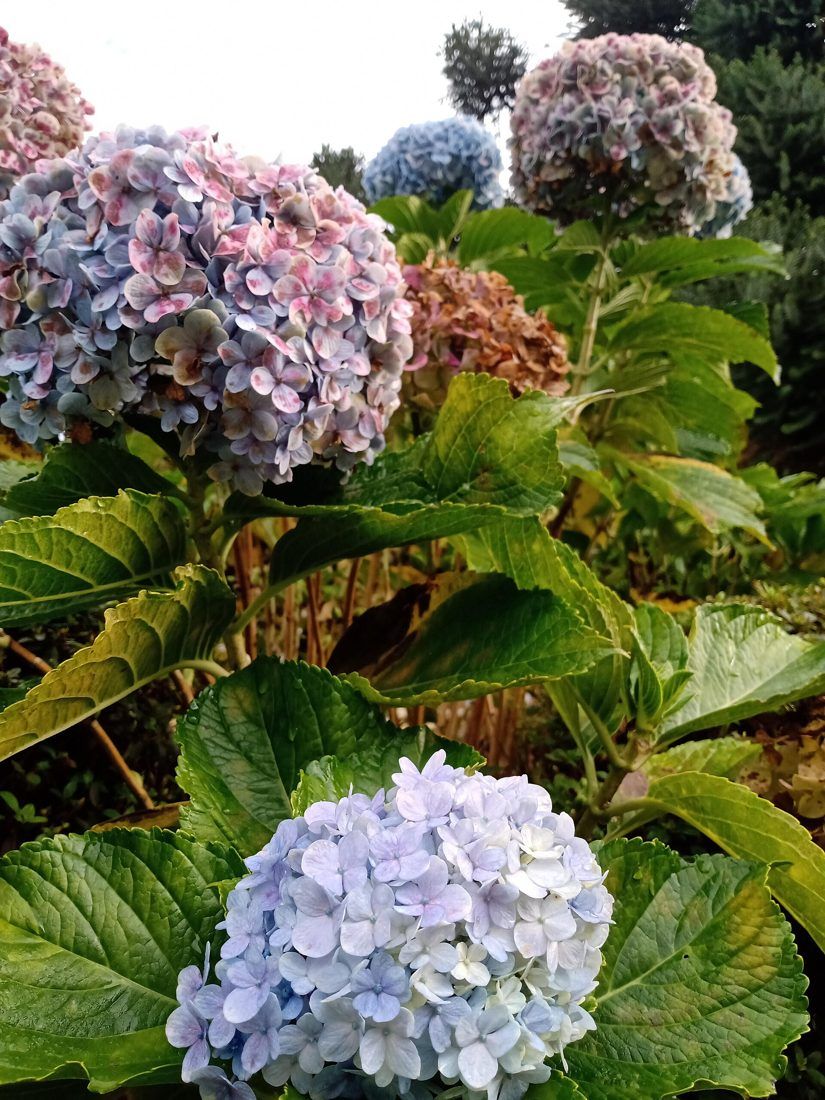
Photo: Hedestad, CC BY-SA 4.0, via Wikimedia Commons
_3.jpg)
- Sun
- Part shade (tolerates sun if soil is moist)
- Soil
- Moist but well-drained; well suited to clay
- Soil pH
- Grows in acid to alkaline soil. The flower colour of blue/pink H. macrophylla depends on pH: blue in acid soil, pink in alkaline
- Water
- Keep moist; do not let it dry out
- Hardiness
- Hardy (H. macrophylla is RHS H5, hardy in most of the UK). Young growth and buds are vulnerable to late spring frost
- Height and spread
- 0.5-2m high and wide for H. macrophylla depending on cultivar; other species are larger
Guv's tipHydrangeas mustn't dry out, so keep them moist. They're well suited to clay, and happiest in part shade. Trust me on this one.
Through the year
Timings are for the UK as a whole. Northern and exposed gardens often run a couple of weeks later.
When to plant
Plant in spring or autumn
Flowering
Flowers mid to late summer
Pruning
Prune H. macrophylla and H. serrata in mid-spring; others in early spring
Making more plants
Softwood, semi-ripe or hardwood cuttings
Watch out for
Hydrangea scale
Look for: Flat brown scales and white egg masses on stems and leaves in early summer
What to do: Remove by hand; tolerate light infestations
Frost damage
AbioticLook for: Blackened or scorched new growth
What to do: Choose sheltered site, protect with fleece
Always read and follow the label on any treatment, and check it is approved for use where you live.
Safety and spread
Pets and people: Mildly toxic if eaten (cyanogenic glycosides). Toxic to dogs, cats and horses, according to the ASPCA. Low severity. Skin allergen
Weed risk: Not listed as an invasive plant in Great Britain
Growing somewhere else? See this plant for the USA and Australia.
The Plant Doctor and the Guv's book
Printable pest and disease charts with real photographs, and all 50 UK plants in one book.