 Guv's Gardens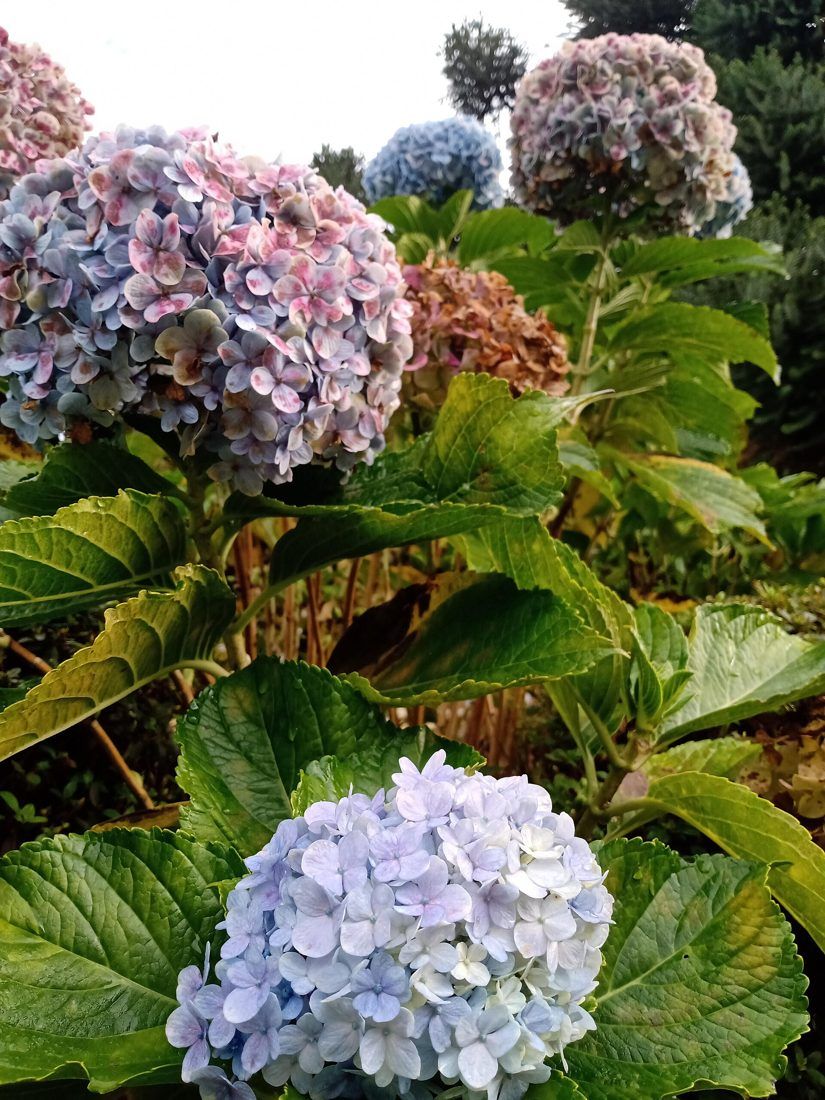
Photo: Hedestad, CC BY-SA 4.0, via Wikimedia Commons
_3.jpg)
- Sun
- Part shade: gentle morning sun with afternoon shade, or dappled light; not heavy all-day shade.
- Soil
- Fertile, moist, humus-rich and well-drained.
- Soil pH
- Grows in acid to alkaline soil. Mophead flower colour follows pH: blue in acid soil (pH 4.5-5.5), mauve or pale blue at 5.5-7, pink above 7.
- Water
- Moderate to high; keep consistently moist from spring to autumn.
- Hardiness
- Subtropical, temperate and cool climates; not arid regions.
- Height and spread
- 0.5-2 m (commonly 1-2 m); dwarf forms about 75 cm.
Guv's tipGive hydrangeas gentle morning sun with afternoon shade, not heavy all-day shade. Cut flowered stems back to a pair of plump buds.
Through the year
Timings are for temperate Australia. Tropical and arid gardens follow different seasons.
When to plant
Late winter (about August) while dormant, up to early spring before summer flowering; dormant planting reduces transplant shock. Potted plants are also planted in summer.
Flowering
Late spring-summer, about Nov-Feb.
Pruning
From after flowering (late autumn) to mid or late winter, cut flowered stems back to a pair of plump buds. Remove old or dead wood.
Making more plants
Cuttings: softwood or tip cuttings in spring-summer, hardwood cuttings in winter.
Watch out for
Scale and aphids
Look for: Bumps or clusters on stems and leaves; honeydew; sooty mould.
What to do: Pick off, or use eco-oil or a registered pyrethrum spray.
Powdery mildew
Powdery mildew fungi.Look for: White powdery coating; yellowing or browning leaves; stunted flowering.
What to do: Give good airflow, avoid heavy shade, and use a registered fungicide.
Always read and follow the label on any treatment, and check it is approved for use where you live.
Safety and spread
Pets and people: Toxic to dogs, cats and horses (ASPCA: cyanogenic glycoside), causing vomiting, depression and diarrhoea. Rated low severity; hydracyanosides are in the bark, leaves and flowers.
Weed risk: Not a declared weed in Victoria or Queensland.
Growing somewhere else? See this plant for the UK and the USA.
The Plant Doctor and the Guv's book
Printable pest and disease charts with real photographs, and all 50 Australia plants in one book.