 Guv's Gardens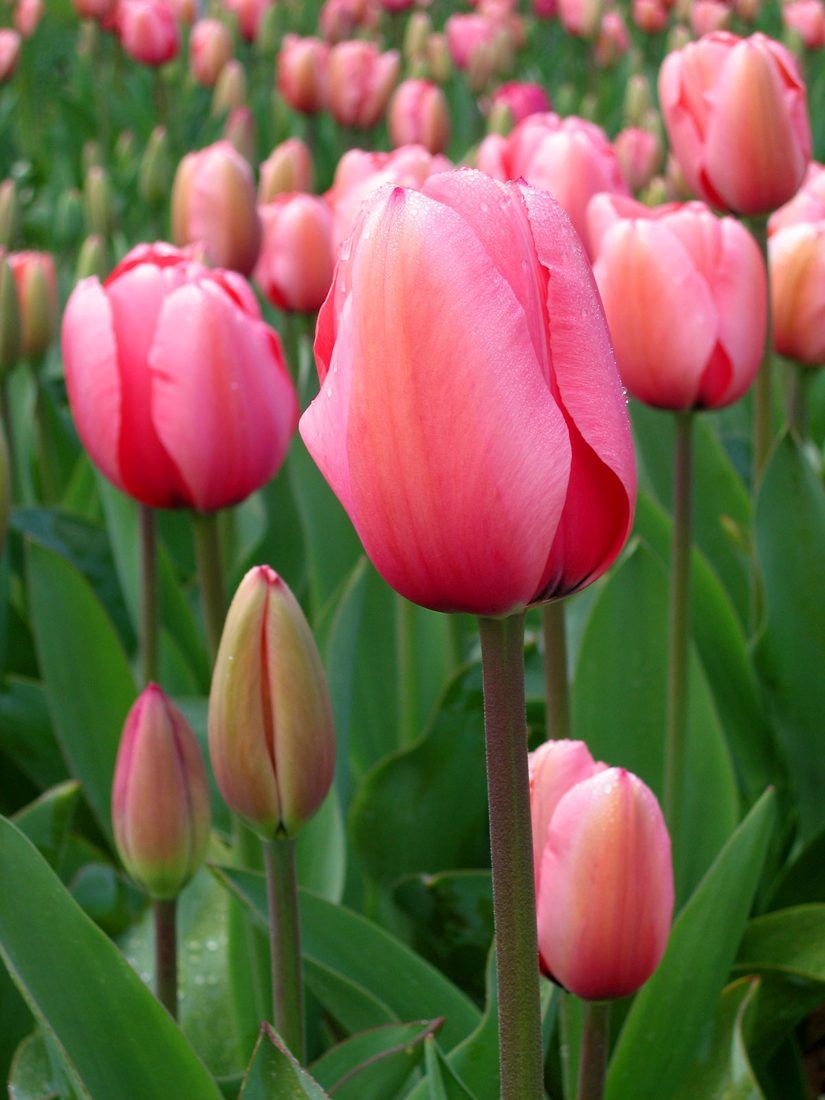
Photo: John O'Neill, CC BY-SA 3.0, via Wikimedia Commons

- Sun
- Full sun
- Soil
- Well-drained soil
- Soil pH
- About 6.0-7.0
- Water
- About 1 in per week from bud through early foliage. Keep drier during summer dormancy (bulbs rot if overwatered)
- Hardiness
- USDA zones 3-8. Needs 12-16 weeks of chilling; pre-chill bulbs in warm Southern areas
- Height and spread
- 4 in-2.3 ft x 6-9 in
Guv's tipLeave tulip foliage at least six weeks, or until it yellows. Keep bulbs drier during summer dormancy, as they rot if overwatered.
Through the year
Months are a rough guide. Time it by your own frost dates: fall planting.
When to plant
Fall. In central and coastal South Carolina, plant late Nov-early Jan after refrigerating the bulbs
Flowering
Spring
Pruning
Deadhead. Leave the foliage for at least 6 weeks, or until it yellows, before removing it
Making more plants
Offsets or division of bulbs
Watch out for
Squirrels, mice and voles
Look for: Dug-up or eaten bulbs
What to do: Animals rarely eat daffodils - consider daffodils where damage is heavy
Aphids
Look for: Clusters on shoots and flowers; vectors of tulip break virus
What to do: Hose off; insecticidal soap or oil
Tulip fire
Botrytis tulipaeLook for: Distorted, twisted shoots; scorched leaf spots; gray mold on flowers; black sclerotia
What to do: Inspect and discard infected bulbs, do not replant tulips in that spot for 3+ years, remove infected plants
Always read and follow the label on any treatment, and check it is approved for use where you live.
Safety and spread
Pets and people: Toxic to dogs, cats and horses. Tulipalin A and B, highest in the bulb, cause vomiting, depression, diarrhea and hypersalivation (ASPCA). NC State Extension rates it low severity; skin contact can cause allergic dermatitis. The University of California lists it as minor toxicity and a skin irritant
Weed risk: Not on the federal noxious weed list
Growing somewhere else? See this plant for the UK.
The Plant Doctor and the Guv's book
Printable pest and disease charts with real photographs, and all 50 USA plants in one book.