 Guv's Gardens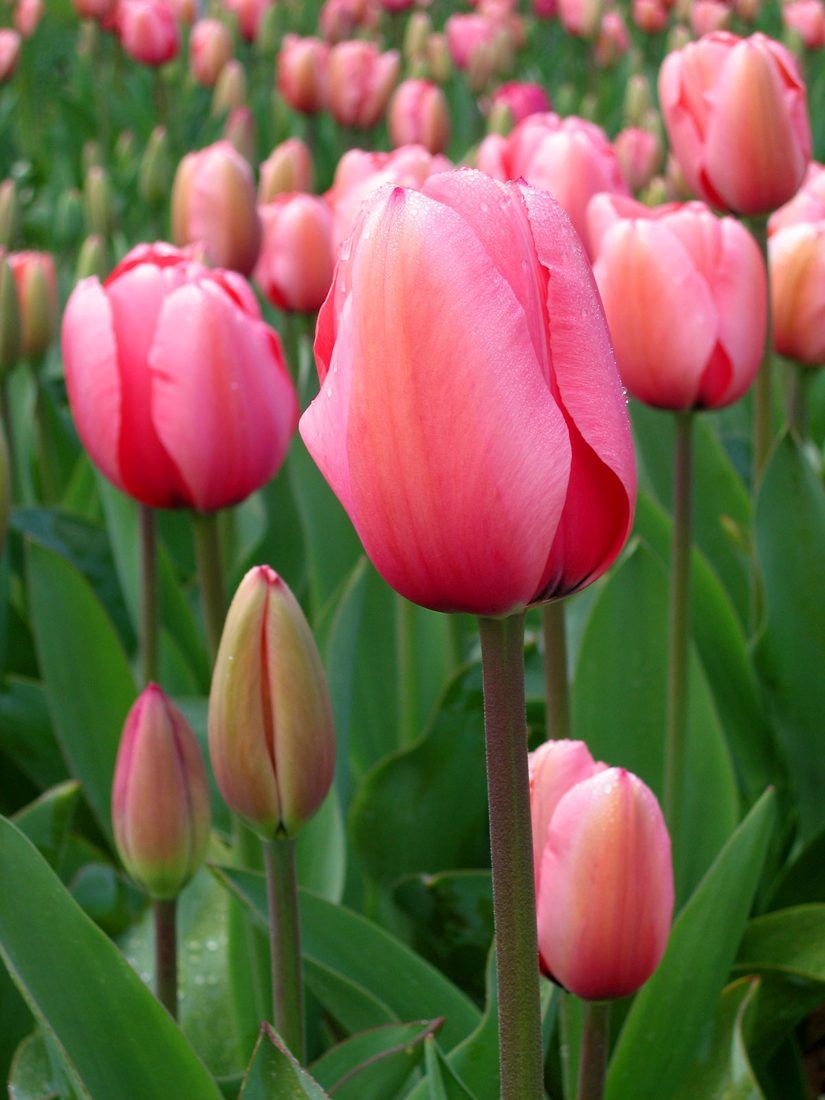
Photo: John O'Neill, CC BY-SA 3.0, via Wikimedia Commons

- Sun
- Full sun (some tolerate light shade)
- Soil
- Nutrient-rich, free-draining
- Soil pH
- Acid to neutral suits tulips; also tolerates alkaline soil. Free-draining soil matters more than pH
- Water
- Water after planting; keep bulbs from waterlogging
- Hardiness
- Fully hardy, RHS H6
- Height and spread
- 10-70cm tall (about 50cm typical), 10-20cm spread

Guv's tipPlant tulip bulbs in November, ideally. Planting late reduces the risk of tulip fire. Patience pays, as my old dad used to say.
Through the year
Timings are for the UK as a whole. Northern and exposed gardens often run a couple of weeks later.
When to plant
Plant bulbs mid Oct-Nov (Nov is ideal to reduce tulip fire); can plant until Dec/early Jan
Flowering
Late Mar-May depending on type (main display Apr-May)
Pruning
Deadhead; remove foliage after it yellows
Making more plants
Offsets (bulblets), seed (3-4 years to flower)
Watch out for
Aphids
Look for: Colonies of small green/black insects on shoot tips, sticky honeydew, distorted leaves
What to do: Squash or wash off, encourage ladybirds and other predators; insecticidal soap if severe
Slugs and snails
Look for: Irregular holes in leaves, slime trails, seedlings eaten
What to do: Hand-pick at night, barriers, beer traps, encourage predators; ferric phosphate pellets sparingly
Tulip fire
Botrytis tulipaeLook for: Distorted, scorched leaves and spotted flowers
What to do: Destroy infected bulbs, plant late (Nov), rotate site
Grey mould
Botrytis cinereaLook for: Fuzzy grey mould on flowers, fruit or stems, rotting
What to do: Remove affected parts, improve ventilation, avoid overcrowding
Tulip viruses
Tulip breaking virusLook for: Streaked (broken) flowers
What to do: Destroy affected bulbs, control aphids
Always read and follow the label on any treatment, and check it is approved for use where you live.
Safety and spread
Pets and people: Toxic if eaten (tulipalin A and B). Toxic to dogs, cats and horses, with bulbs most concentrated, according to the ASPCA. Skin allergen ('tulip fingers')
Weed risk: Not listed as an invasive plant in Great Britain
Growing somewhere else? See this plant for the USA.
The Plant Doctor and the Guv's book
Printable pest and disease charts with real photographs, and all 50 UK plants in one book.