 Guv's Gardens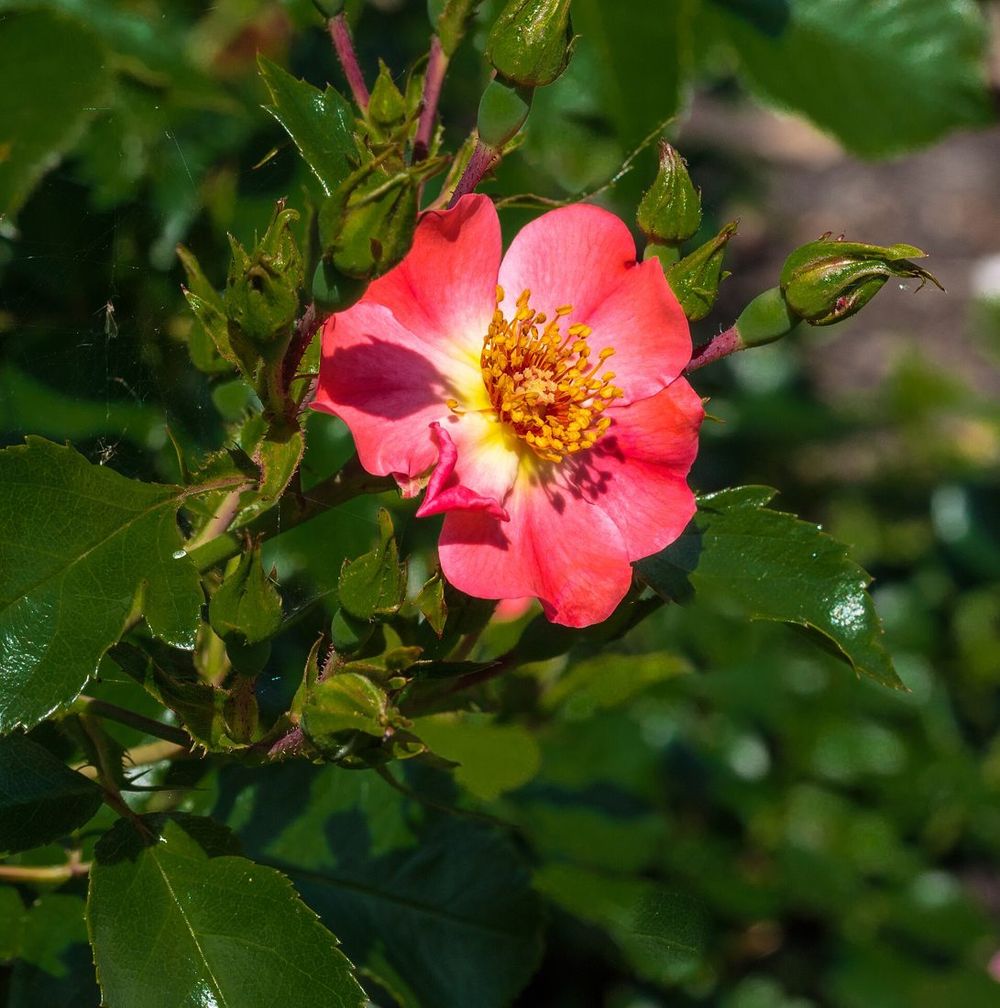
Photo: Agnes Monkelbaan, CC BY-SA 4.0, via Wikimedia Commons
.jpg)
- Sun
- Full sun (6+ hours)
- Soil
- Well-drained, fertile soil high in organic matter
- Soil pH
- Slightly acidic, about 6.0-6.5
- Water
- Water deeply, 1-2 in per week. Keep leaves dry
- Hardiness
- USDA zones 3-11, depending on type. Garden roses generally zones 3-9 or 5-11; hardy shrub roses to zones 3-4
- Height and spread
- Typically 3-6 ft x 3-6 ft; 1-8 ft x 1-6 ft depending on type

Guv's tipPrune roses in late winter or early spring as buds swell, cutting to an outward-facing bud. Once-blooming roses get pruned after flowering.
Through the year
Months are a rough guide. Time it by your own frost dates.
When to plant
Bare-root roses in early spring (Mar-Apr); container plants spring to fall
Flowering
May-Oct (repeat bloomers)
Pruning
Prune in late winter or early spring as buds swell; prune once-blooming roses after flowering. Cut to an outward-facing bud
Making more plants
Cuttings, or budding and grafting
Watch out for
Japanese beetle
Look for: Skeletonized leaves and flowers
What to do: Hand-pick into soapy water
Aphids
Look for: Clusters of small soft insects on shoots, sticky honeydew, curled leaves
What to do: Hose off; insecticidal soap; conserve lady beetles
Thrips
Look for: Browned, deformed blooms
What to do: Remove spent flowers
Black spot
Diplocarpon rosaeLook for: Black spots with fringed edges, yellowing, defoliation
What to do: Resistant cultivars, remove fallen leaves, keep foliage dry; labeled fungicide
Powdery mildew
Podosphaera pannosaLook for: White powdery coating on leaves and buds
What to do: Air circulation, resistant cultivars; labeled fungicide if severe
Rose rosette
Rose rosette virus (spread by eriophyid mite)Look for: Witches' brooms, excessive thorns, red distorted growth
What to do: Remove and destroy entire plant incl. roots; remove nearby wild multiflora rose
Always read and follow the label on any treatment, and check it is approved for use where you live.
Safety and spread
Pets and people: Non-toxic to dogs, cats and horses (ASPCA). Thorns are a physical hazard, especially for children
Weed risk: Garden roses: none. Multiflora rose (Rosa multiflora) is a state-listed noxious weed (for example in Pennsylvania) and has noxious status in the USDA PLANTS database
Growing somewhere else? See this plant for the UK and Australia.
The Plant Doctor and the Guv's book
Printable pest and disease charts with real photographs, and all 50 USA plants in one book.