 Guv's Gardens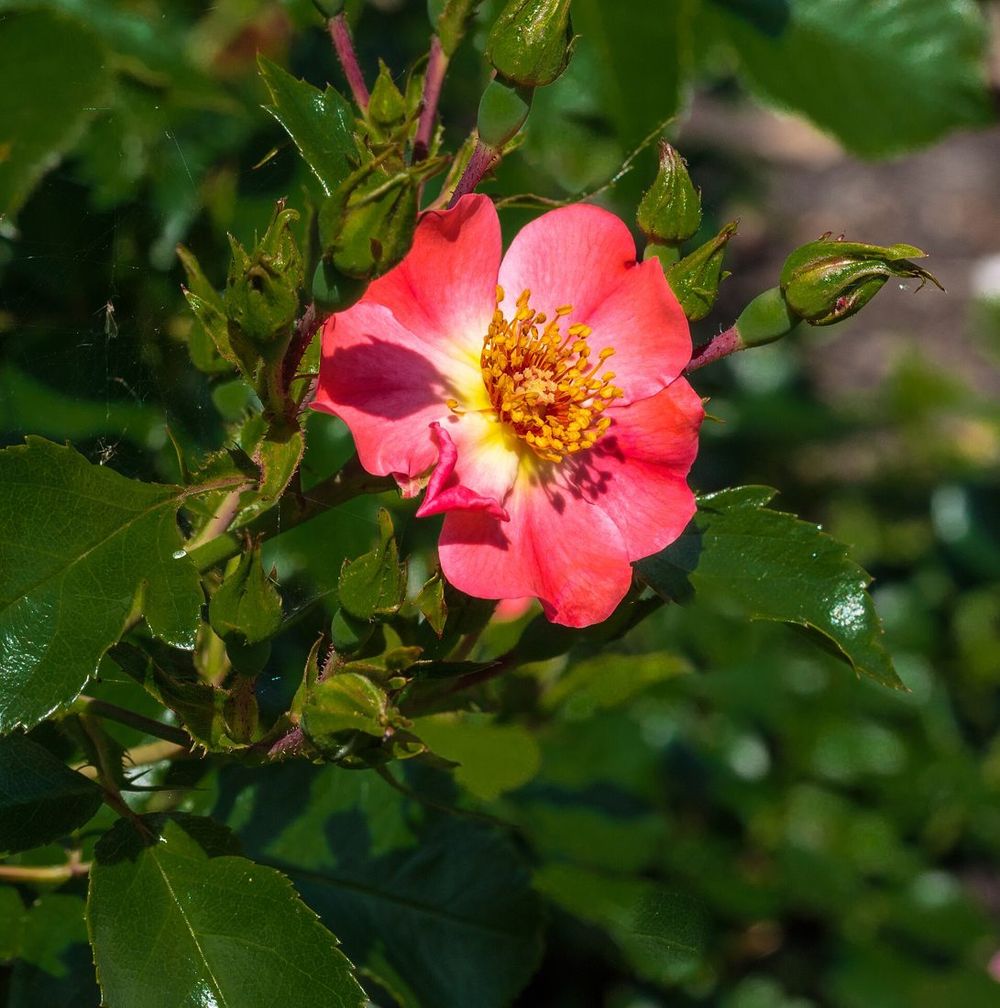
Photo: Agnes Monkelbaan, CC BY-SA 4.0, via Wikimedia Commons
.jpg)
- Sun
- Full sun (some cope with light shade).
- Soil
- Fertile, rich, moist but well-drained.
- Soil pH
- Slightly acidic, about 6.0-7.0 (ideal about 6.5).
- Water
- Water deeply, especially during the flowering season; mulch.
- Hardiness
- Suitable for most Australian climates.
- Height and spread
- 0.3-2.5 m depending on type; climbers and ramblers larger.
Guv's tipMain rose prune is mid-winter while dormant: cut back by about two-thirds, to knee height, into an open vase shape. Remove suckers below the graft.
Through the year
Timings are for temperate Australia. Tropical and arid gardens follow different seasons.
When to plant
Bare-root in winter (Jun-Aug); potted roses at other times, e.g. spring.
Flowering
Spring to autumn in flushes (a light summer prune encourages an autumn flush).
Pruning
Main prune in mid-winter while dormant: cut back by about two-thirds, to knee height, to an open vase shape. Remove suckers below the graft; deadhead through the season.
Making more plants
Cuttings (softwood in late spring, semi-hardwood in late summer) or grafting/budding; seed does not come true.
Watch out for
Aphids
Look for: Clusters on new shoots and buds; sticky honeydew; distortion.
What to do: Hose off, encourage predators, or use a registered rose spray.
Two-spotted mite
Look for: Fine mottling or bronzing of leaves, webbing, and early leaf fall in hot, dry weather.
What to do: Hose the undersides of leaves; use a registered miticide.
Black spot
Diplocarpon rosaeLook for: Purple-black leaf spots; yellowing; early leaf fall.
What to do: Remove infected leaves, grow resistant varieties, and use a registered rose fungicide. Apply a lime sulphur clean-up spray after winter pruning.
Powdery mildew
Powdery mildew fungi.Look for: White powdery coating on leaves, buds and shoots; distortion.
What to do: Give good airflow, avoid drought stress, and use a registered fungicide.
Always read and follow the label on any treatment, and check it is approved for use where you live.
Safety and spread
Pets and people: Non-toxic to dogs, cats and horses (ASPCA); not on the University of California toxic plant list. Thorns can cause injury.
Weed risk: Garden hybrid roses are not declared weeds in Victoria or Queensland. Only sweet briar (Rosa rubiginosa) is declared in Victoria.
Growing somewhere else? See this plant for the UK and the USA.
The Plant Doctor and the Guv's book
Printable pest and disease charts with real photographs, and all 50 Australia plants in one book.