 Guv's Gardens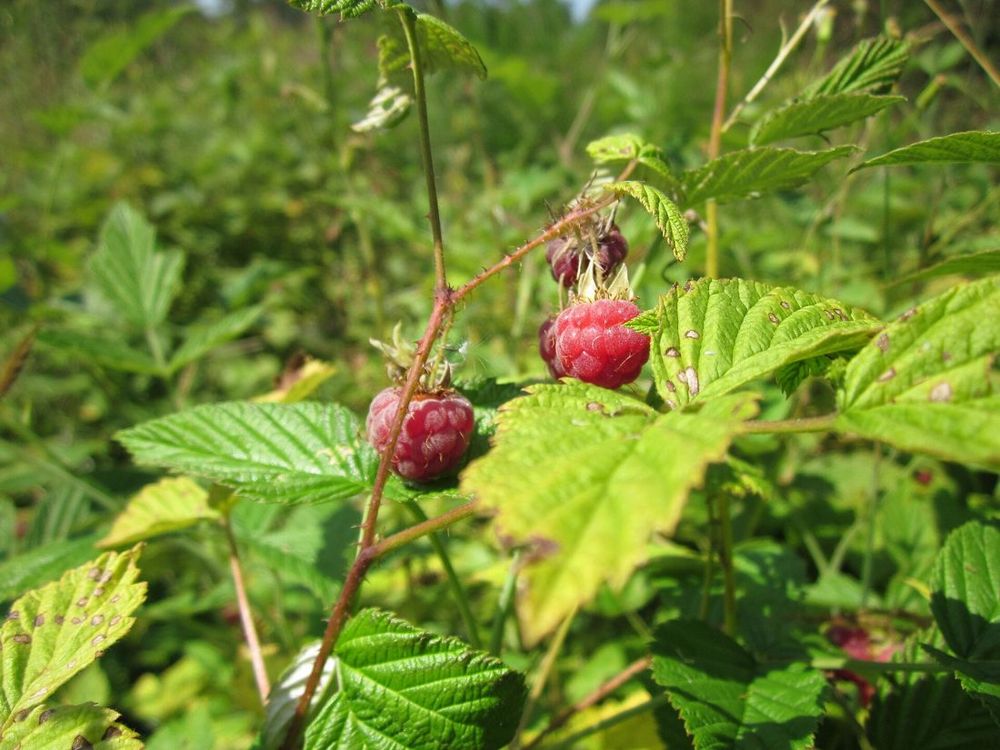
Photo: AnRo0002, CC0, via Wikimedia Commons

- Sun
- Full sun
- Soil
- Well-drained soil high in organic matter
- Soil pH
- Slightly acid, about 5.8-6.5
- Water
- 1-1.5 in per week during the growing season, most critical from bloom to harvest. Avoid standing water
- Hardiness
- USDA zones 4-8; some cultivars to zone 3
- Height and spread
- Canes 4-6 ft, spreading by suckers

Guv's tipRemove raspberry floricanes after fruiting, and thin for air flow. Fall-bearing types can simply be mowed to the ground in late winter.
Through the year
Months are a rough guide. Time it by your own frost dates.
When to plant
Early spring (Mar-May)
Harvest or flowering
Summer-bearing types Jun-Jul; fall-bearing types Aug to frost
Pruning
Remove floricanes after fruiting. Fall-bearing types can be mowed to the ground in late winter
Making more plants
Division of root suckers, or stem cuttings. Red raspberries spread by root suckers. Buy certified disease-free plants
Watch out for
Japanese beetle
Look for: Skeletonized leaves
What to do: Hand-pick
Spotted wing drosophila
Look for: Soft fruit with larvae
What to do: Prompt harvest
Cane blight / spur blight / anthracnose
Fungal cane diseases (several species)Look for: Cane lesions starting at wounds (cane blight), scattered small spots between nodes (anthracnose), dieback
What to do: Remove old floricanes after harvest, thin for air flow, avoid wounding
Phytophthora root rot
Phytophthora spp. (soil water mold)Look for: Wilting, dying canes in low wet spots; reddish-brown roots under scraped bark
What to do: Plant in well-drained soil or raised beds
Always read and follow the label on any treatment, and check it is approved for use where you live.
Safety and spread
Pets and people: Not listed on the ASPCA toxic plant list. The fruit is safe for dogs in moderation
Weed risk: Not a federal noxious weed (only Rubus fruticosus and R. moluccanus are listed), and no noxious status in the USDA PLANTS database. Can become weedy
Growing somewhere else? See this plant for the UK.
The Plant Doctor and the Guv's book
Printable pest and disease charts with real photographs, and all 50 USA plants in one book.