 Guv's Gardens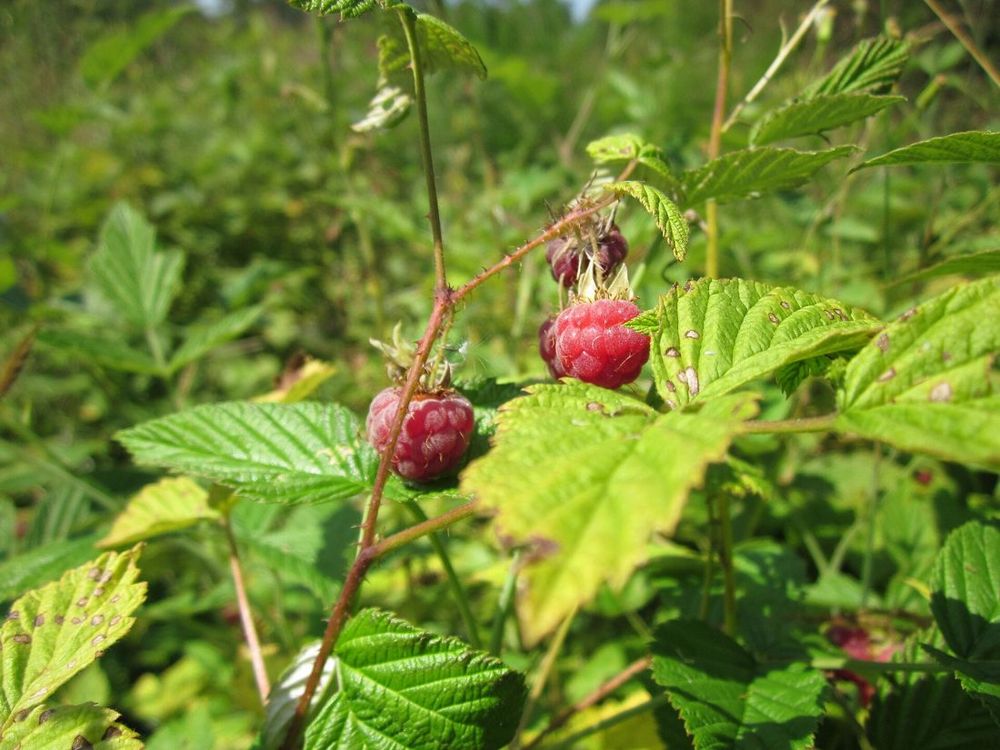
Photo: AnRo0002, CC0, via Wikimedia Commons

- Sun
- Full sun (tolerates light shade)
- Soil
- Moist, well-drained, slightly acid
- Soil pH
- Slightly acid, ideally pH 6-6.7; tolerates about pH 5.5-7.0
- Water
- Keep moist; mulch
- Hardiness
- Fully hardy
- Height and spread
- Canes to 1.5-2m
Guv's tipSummer raspberries: cut the fruited canes after harvest. Autumn ones: cut all canes to the ground in late winter. Easy once you know.
Through the year
Timings are for the UK as a whole. Northern and exposed gardens often run a couple of weeks later.
When to plant
Plant bare-root canes Nov-Mar while dormant (late autumn is best). Plant container plants in autumn or spring
Harvest or flowering
Summer types Jun-Sep; autumn types Aug-Oct
Pruning
Summer types: cut fruited canes after harvest. Autumn types: cut all canes to the ground in late winter
Making more plants
Suckers or young canes
Watch out for
Raspberry beetle
Look for: Larvae in ripe fruit, dried patches at stalk end
What to do: Tolerate light damage; encourage predators; karimone odour traps. Autumn-fruiting types are less affected. No chemical control is advised
Aphids
Look for: Colonies of small green/black insects on shoot tips, sticky honeydew, distorted leaves
What to do: Squash or wash off, encourage ladybirds and other predators; insecticidal soap if severe
Grey mould
Botrytis cinereaLook for: Fuzzy grey mould on flowers, fruit or stems, rotting
What to do: Remove affected parts, improve ventilation, avoid overcrowding
Raspberry cane blight
Paraconiothyrium fuckelii; often follows raspberry cane midge damageLook for: Dark patches at cane base, canes wilt and die
What to do: Cut out affected canes, avoid cane damage
Always read and follow the label on any treatment, and check it is approved for use where you live.
Safety and spread
Pets and people: Not listed as toxic or non-toxic by the ASPCA, and no poison data is given by NC State University's plant toolbox
Weed risk: None known
Growing somewhere else? See this plant for the USA.
The Plant Doctor and the Guv's book
Printable pest and disease charts with real photographs, and all 50 UK plants in one book.