 Guv's Gardens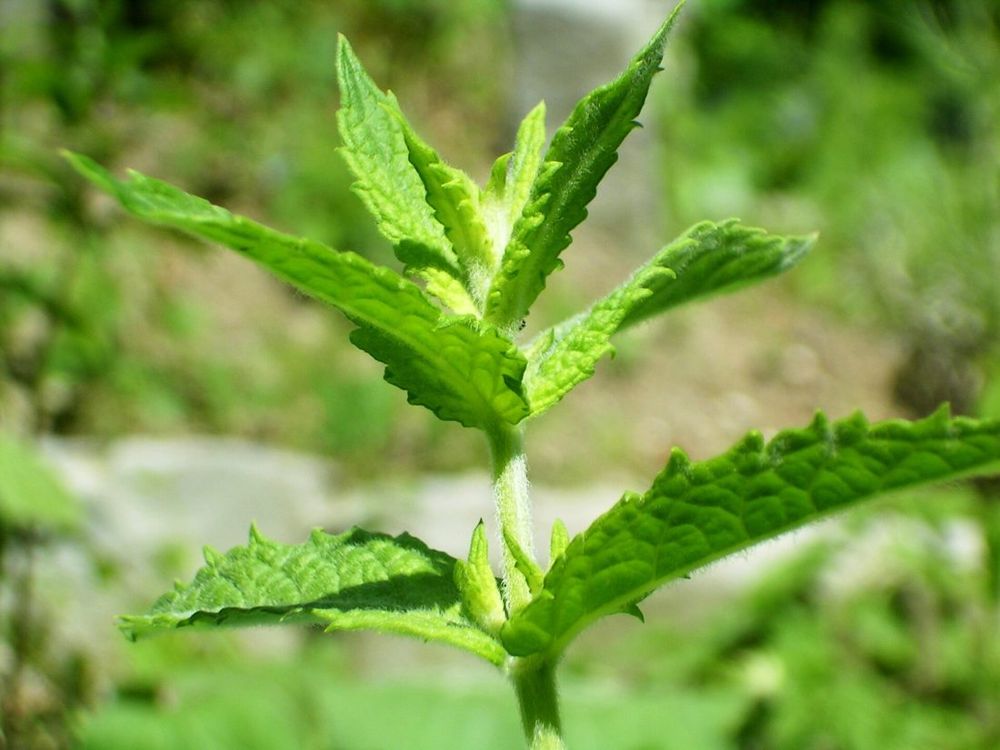
Photo: Simon Eugster --Simon 13:07, 2 July 2006 (UTC), CC BY-SA 3.0, via Wikimedia Commons

- Sun
- Full sun to part shade
- Soil
- Moist, well-drained soil
- Soil pH
- Slightly acid to neutral, about 6.0-7.0
- Water
- Keep moist
- Hardiness
- USDA zones 4-9; hardy to about -20°F
- Height and spread
- 1-2 ft x 1-2 ft (up to 3 ft), spreading by rhizomes and stolons

Guv's tipMint wants to take over, so contain it in pots or with root barriers and cut it back regularly. Trust me on this one.
Through the year
Months are a rough guide. Time it by your own frost dates.
When to plant
Early in the growing season, in spring (Apr-May)
Harvest or flowering
Leaves May-Oct; flowers Jul-Oct
Pruning
Cut back regularly. Contain in pots or with root barriers
Making more plants
Division, cuttings or runners
Watch out for
Aphids
Look for: Curled, yellowed or stunted foliage
What to do: Strong water spray; insecticidal soap
Spider mites
Look for: Stippled yellow leaves, fine webbing
What to do: Hose off; insecticidal soap
Mint rust
Puccinia menthae (rust fungus)Look for: Small whitish spots turning orange-brown pustules on leaf undersides
What to do: Keep leaves dry (drip or morning watering), remove infected stems, thin plantings
Always read and follow the label on any treatment, and check it is approved for use where you live.
Safety and spread
Pets and people: Essential oils can cause vomiting and diarrhea in dogs, cats and horses if large amounts are eaten (ASPCA, NC State Extension)
Weed risk: Spreads aggressively by rhizomes and can be weedy or quite invasive; flagged in USDA PLANTS invasive data. Not a federally listed noxious weed
Growing somewhere else? See this plant for the UK.
The Plant Doctor and the Guv's book
Printable pest and disease charts with real photographs, and all 50 USA plants in one book.