 Guv's Gardens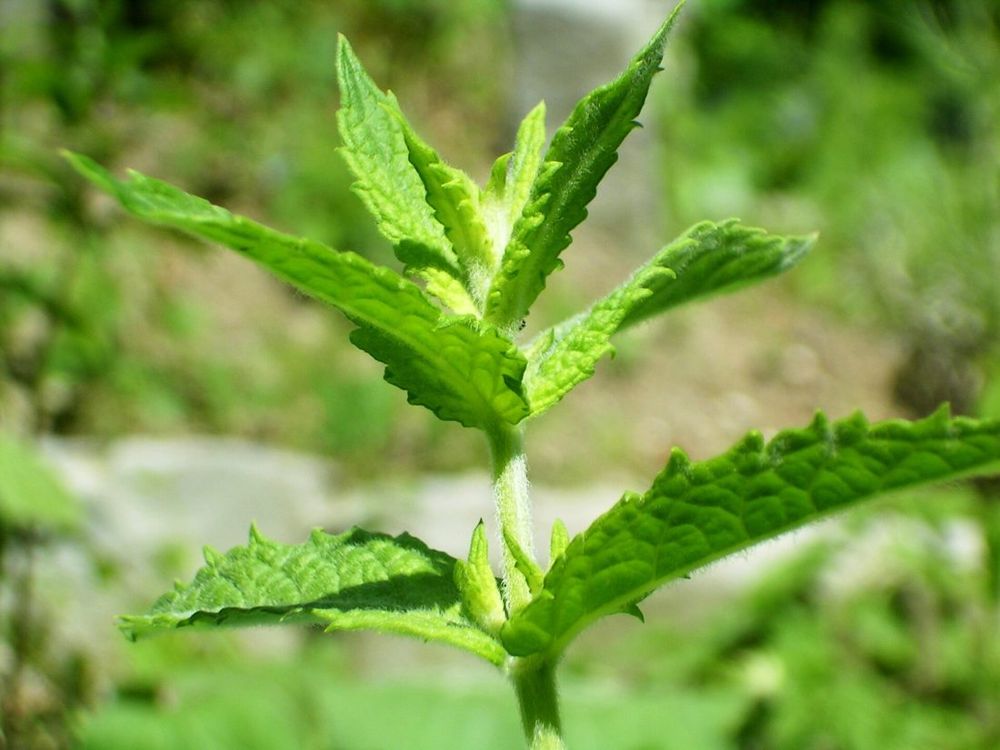
Photo: Simon Eugster --Simon 13:07, 2 July 2006 (UTC), CC BY-SA 3.0, via Wikimedia Commons

- Sun
- Full sun to part shade
- Soil
- Moist, fertile
- Soil pH
- Tolerates acid, neutral or alkaline soil; about pH 6.0-8.0 suits
- Water
- Keep moist
- Hardiness
- Fully hardy, RHS H7 (herbaceous; dies back in winter)
- Height and spread
- 30cm-1m tall; spreads 1-1.5m or more by rhizomes

Guv's tipMint likes it moist and fertile. After flowering, cut the whole plant to about 5cm from the base and it'll come back fresh.
Through the year
Timings are for the UK as a whole. Northern and exposed gardens often run a couple of weeks later.
When to plant
Plant in spring or autumn (Mar-May, Sep-Oct); available year-round
Harvest or flowering
Harvest May-Oct
Pruning
After flowering, cut the whole plant to about 5cm from the base. Cut back faded stems from late autumn to spring
Making more plants
Division (spring or autumn), softwood cuttings (spring), rhizome or root cuttings
Watch out for
Aphids
Look for: Colonies of small green/black insects on shoot tips, sticky honeydew, distorted leaves
What to do: Squash or wash off, encourage ladybirds and other predators; insecticidal soap if severe
Blue mint beetle
Look for: Metallic blue beetles and larvae eating leaves
What to do: Hand-pick; tolerate
Sage and Ligurian leafhoppers
Look for: Pale mottled patches on upper leaf surfaces
What to do: Usually tolerable; no action normally needed
Mint rust
Puccinia menthaeLook for: Orange pustules, distorted shoots in spring
What to do: Remove affected plants; replant clean stock elsewhere
Always read and follow the label on any treatment, and check it is approved for use where you live.
Safety and spread
Pets and people: Low toxicity. Mint (Mentha spp.) is listed as toxic to dogs, cats and horses by the ASPCA (essential oils; vomiting and diarrhoea with large amounts eaten), with mild toxicity to dogs. Pennyroyal (M. pulegium) is harmful if eaten
Weed risk: Not listed as an invasive plant in Great Britain; spearmint is not restricted. Spreads aggressively by rhizomes, so grow it in containers
Growing somewhere else? See this plant for the USA.
The Plant Doctor and the Guv's book
Printable pest and disease charts with real photographs, and all 50 UK plants in one book.