 Guv's Gardens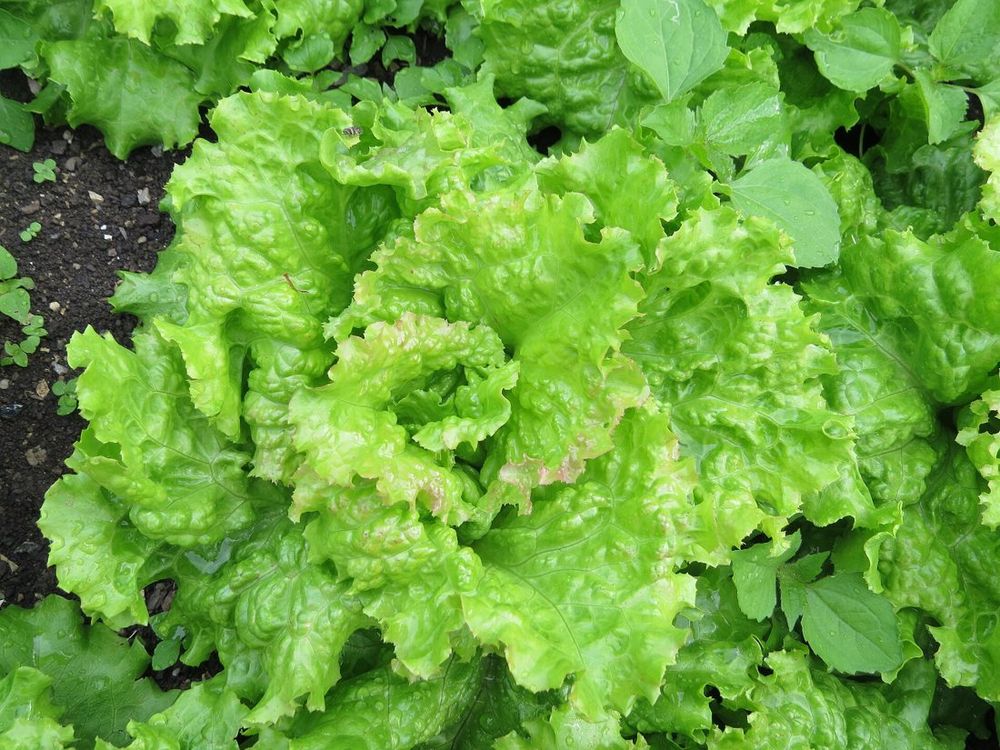
Photo: GT1976, CC BY-SA 4.0, via Wikimedia Commons
_Lactuca_sativa_(garden_lettuce)_at_Bichlh%C3%A4usl_in_Frankenfels,_Austria.jpg)
- Sun
- Full sun to part shade (afternoon shade helps in heat)
- Soil
- Loose, moist, well-drained loam high in organic matter
- Soil pH
- About 6.0-6.8
- Water
- Keep evenly moist (roots are shallow). About 1 in per week, more often on sandy soil
- Hardiness
- Cool-season annual (USDA zones 2-11). Bolts in heat and long days
- Height and spread
- 6-12 in x 6-12 in

Guv's tipLettuce roots are shallow, so keep it evenly moist. A bit of afternoon shade helps in the heat, since it bolts above 75°F.
Through the year
Months are a rough guide. Time it by your own frost dates.
When to plant
Spring, as soon as the soil can be worked (Minnesota Apr-May, South Carolina Piedmont Mar-mid May, South Carolina coast Feb-mid Apr), and fall (sow about 3 months before the first frost; South Carolina coast Sep-Oct)
Harvest or flowering
Harvest in spring and fall (leaf types 50-60 days from seed, heading types 70-80). Bolts in summer heat (above 75°F)
Pruning
Harvest outer or baby leaves for repeat cuts, or cut the whole plant
Making more plants
Seed, sown direct, or transplants started 4-8 weeks earlier
Watch out for
Aphids
Look for: Clusters on leaves and hearts; sticky, distorted leaves
What to do: Conserve natural enemies; strong water spray; insecticidal soap or oils
Slugs and snails
Look for: Ragged holes in leaves, slime trails
What to do: Hand-pick, traps, remove hiding places, iron phosphate bait
Lettuce drop
Sclerotinia minor / S. sclerotiorumLook for: Outer leaves wilt and plant collapses; white cottony growth and black sclerotia at the base
What to do: Rotation, good drainage, remove infected plants and debris
Bottom rot
Rhizoctonia solaniLook for: Rust-brown lesions and rot on lower leaves touching the soil
What to do: Good drainage, avoid wet soil contact, rotation, remove debris
Always read and follow the label on any treatment, and check it is approved for use where you live.
Safety and spread
Pets and people: Generally non-toxic. Not listed by the ASPCA. NC State Extension rates it low severity; the sap (lactucin) may irritate skin. Large amounts may cause diarrhea in dogs
Weed risk: Not on the federal noxious weed list. The USDA PLANTS database shows no federal or state noxious or invasive status
Growing somewhere else? See this plant for the UK and Australia.
The Plant Doctor and the Guv's book
Printable pest and disease charts with real photographs, and all 50 USA plants in one book.