 Guv's Gardens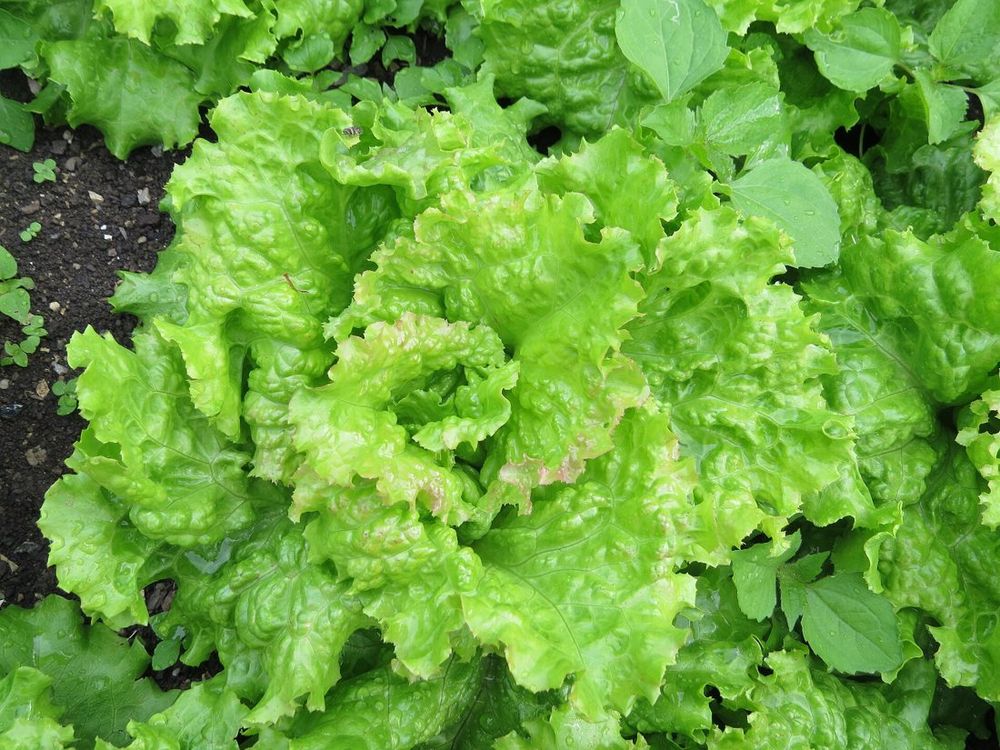
Photo: GT1976, CC BY-SA 4.0, via Wikimedia Commons
_Lactuca_sativa_(garden_lettuce)_at_Bichlh%C3%A4usl_in_Frankenfels,_Austria.jpg)
- Sun
- Full sun to light shade (shade in hot summers)
- Soil
- Fertile, moisture-retentive
- Soil pH
- About pH 6.0-7.0
- Water
- Regular watering; prone to bolting in dry heat
- Hardiness
- Hardy to tender depending on type; winter varieties need cover
- Height and spread
- 15-30cm

Guv's tipSow little and often from late March to late July for lettuce right through to winter. Keep it watered, or it'll bolt in dry heat.
Through the year
When to plant
Sow outdoors late Mar-late Jul for summer and autumn crops, early Aug for winter under cloches, and Sep-Oct for winter types under cover. Early indoor sowing in Feb; plant out from Mar onwards
Harvest or flowering
Harvest late spring through to winter with successional sowing
Pruning
None
Making more plants
Seed
Watch out for
Aphids
Look for: Colonies of small green/black insects on shoot tips, sticky honeydew, distorted leaves
What to do: Squash or wash off, encourage ladybirds and other predators; insecticidal soap if severe
Slugs and snails
Look for: Irregular holes in leaves, slime trails, seedlings eaten
What to do: Hand-pick at night, barriers, beer traps, encourage predators; ferric phosphate pellets sparingly
Grey mould
Botrytis cinereaLook for: Fuzzy grey mould on flowers, fruit or stems, rotting
What to do: Remove affected parts, improve ventilation, avoid overcrowding
Downy mildew
Various oomycetesLook for: Yellow patches above, grey/purple growth below leaves
What to do: Remove affected leaves, improve air flow, avoid wetting foliage
Always read and follow the label on any treatment, and check it is approved for use where you live.
Safety and spread
Pets and people: Sap contains lactucin and lactucopicrin and can occasionally cause contact dermatitis. Not on the ASPCA list
Weed risk: None known
Growing somewhere else? See this plant for the USA and Australia.
The Plant Doctor and the Guv's book
Printable pest and disease charts with real photographs, and all 50 UK plants in one book.