 Guv's Gardens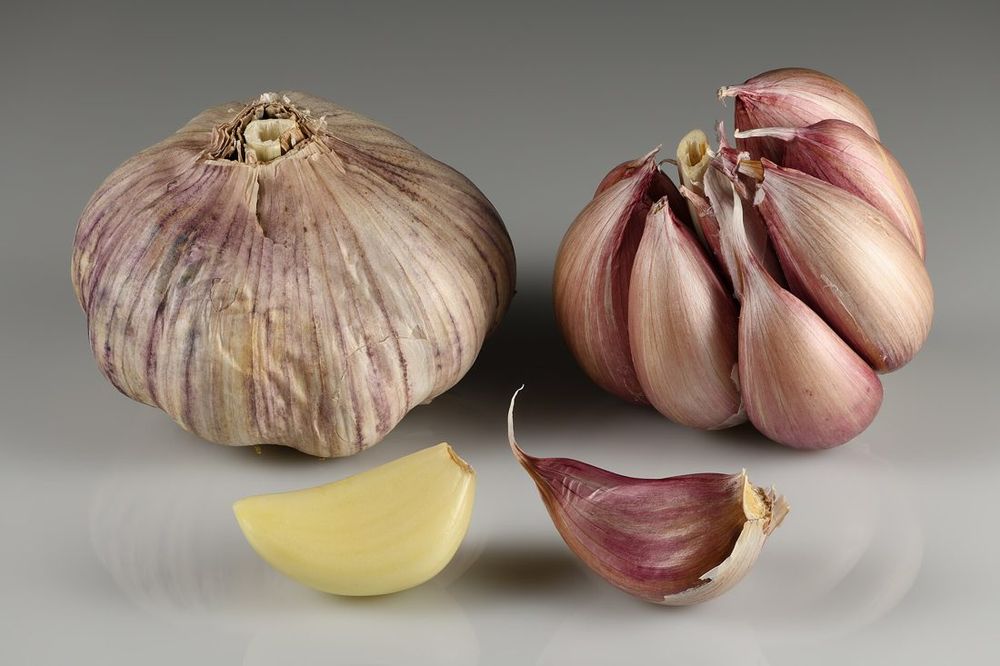
Photo: Ivar Leidus, CC BY-SA 4.0, via Wikimedia Commons

- Sun
- Full sun
- Soil
- Loose, fertile, well-drained, moisture-retentive loam
- Soil pH
- About 6.0-7.0
- Water
- About 1 in per week during growth. Bulbs are small if the soil is too dry. Stop watering about 2 weeks before harvest
- Hardiness
- USDA zones 4-9. Fall-planted cloves overwinter (mulch in cold zones)
- Height and spread
- 1-2 ft tall x 4-12 in wide
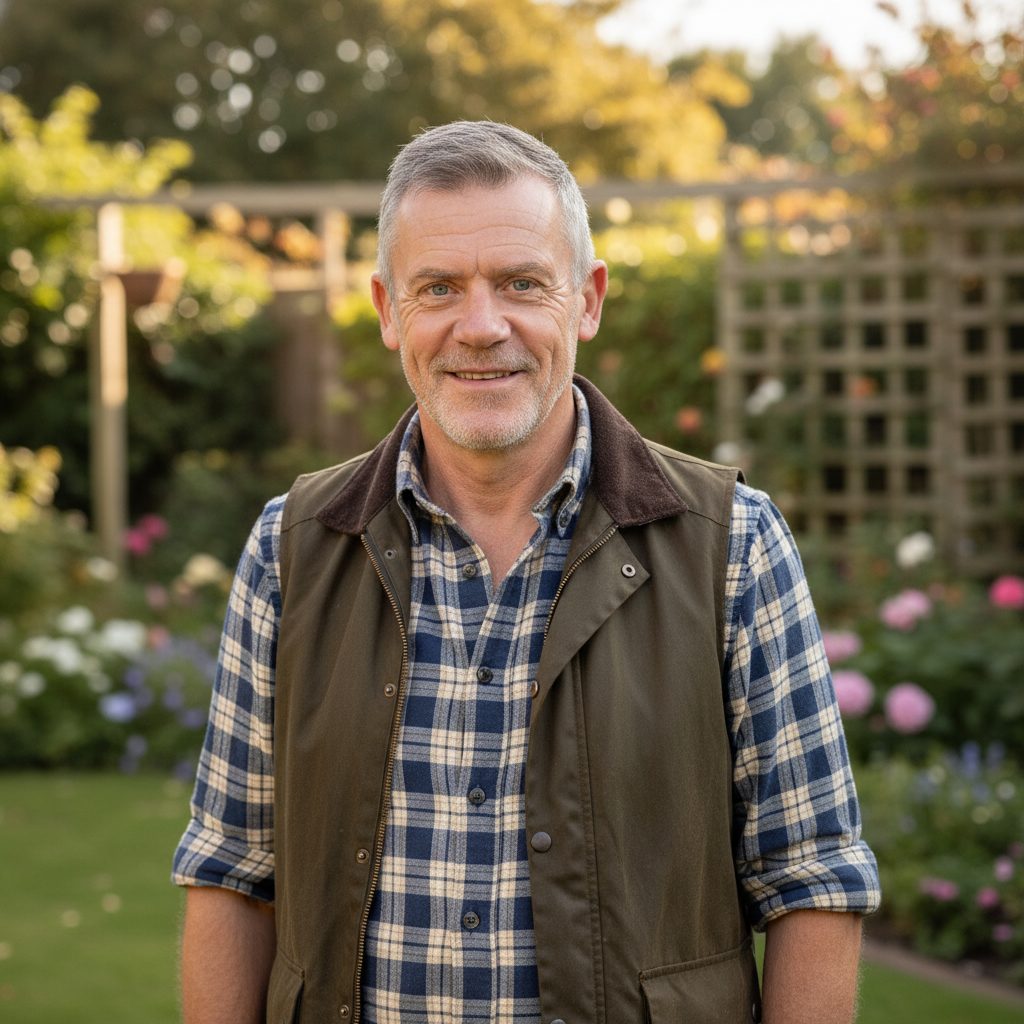
Guv's tipSnap off hardneck garlic scapes when they appear. Leave them on and your bulbs are about 30% smaller. Trust me on this one.
Through the year
Months are a rough guide. Time it by your own frost dates: fall planting.
When to plant
Fall: in Minnesota, 1-2 weeks after the first killing frost; in North Carolina, late Oct-Nov (to Dec further south). Cloves need 4-6 weeks to establish before the ground freezes
Harvest or flowering
Harvest when the lower leaves brown and about half the leaves are still green: North Carolina May-Jun, Minnesota late Jun-late Jul. Cure for 2-3 weeks
Pruning
Remove hardneck scapes (flower stalks) when they appear in late spring or early summer so the plant puts its energy into the bulb (bulbs are about 30% smaller if scapes are left)
Making more plants
Cloves (plant the largest outer cloves, pointed end up)
Watch out for
Onion maggot / root maggots
Look for: Maggots in bulbs; plants yellow and wilt
What to do: Rotate plantings; remove culls and debris
Thrips
Look for: Silvery-white streaks on leaves
What to do: Remove crop debris; labeled insecticide if severe
White rot
Sclerotium cepivorumLook for: Yellowing, dying leaves; white fluffy growth and tiny black sclerotia on bulbs
What to do: Clean planting stock, never move infested soil, long rotation away from alliums
Fusarium basal rot / bulb rot
Fusarium spp.Look for: Rotting basal plate and cloves; worse in poorly drained soils
What to do: Well-drained soil, clean seed garlic, avoid bruising, cure thoroughly
Always read and follow the label on any treatment, and check it is approved for use where you live.
Safety and spread
Pets and people: Toxic to dogs, cats and horses (ASPCA): N-propyl disulfide causes hemolytic anemia. NC State Extension agrees and notes it may cause contact dermatitis
Weed risk: Not on the federal noxious weed list. The USDA PLANTS database shows no federal or state noxious or invasive status
Growing somewhere else? See this plant for the UK and Australia.
The Plant Doctor and the Guv's book
Printable pest and disease charts with real photographs, and all 50 USA plants in one book.