 Guv's Gardens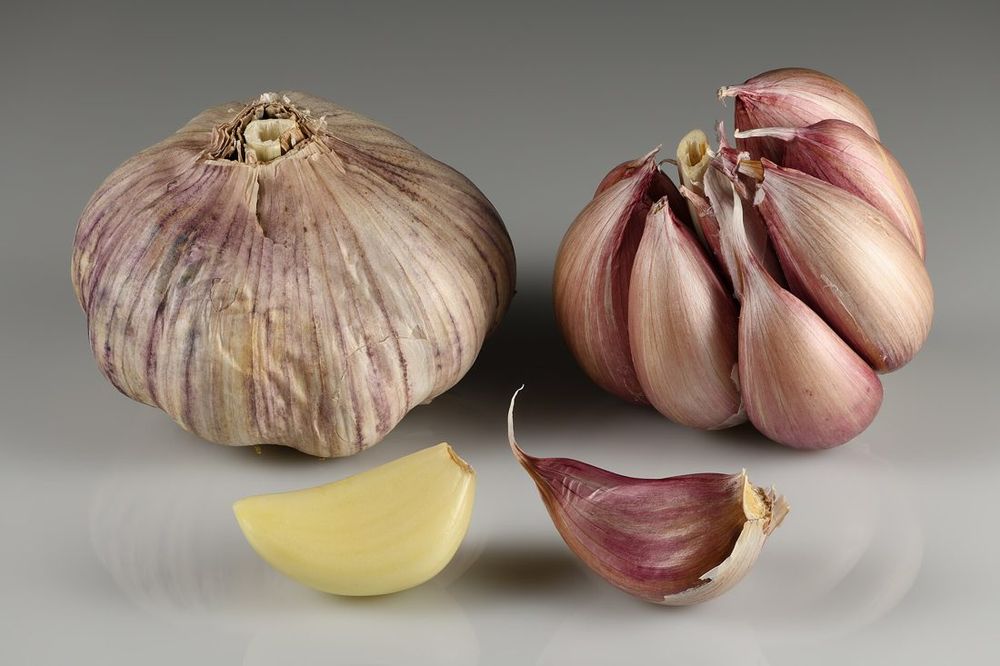
Photo: Ivar Leidus, CC BY-SA 4.0, via Wikimedia Commons

- Sun
- Full sun
- Soil
- Light, free-draining
- Soil pH
- About pH 6.0-7.5; dislikes very acid soil (add lime if below pH 6). Tolerates a wider range
- Water
- Water in dry spells in spring
- Hardiness
- Hardy; needs a cold period to form cloves
- Height and spread
- 30-60cm tall
Guv's tipOctober is the best month for planting garlic cloves. Give them light, free-draining soil and a drink in dry spring spells.
Through the year
Timings are for the UK as a whole. Northern and exposed gardens often run a couple of weeks later.
When to plant
Plant mid-autumn to early winter (Oct is best). Some varieties late winter to early spring
Harvest or flowering
Autumn-planted: late spring to early summer (from July in some advice). Spring-planted: midsummer to early autumn
Pruning
Remove flower stems (scapes) on hardneck types
Making more plants
Individual cloves
Watch out for
Allium leaf miner
Look for: Lines of white dots on leaves, distorted foliage, pupae in stems/bulbs
What to do: Cover with insect-proof mesh during adult flight periods (spring and autumn)
Onion fly
Look for: Maggots in bulbs, yellowing and wilting plants
What to do: Crop covers, rotate crops, remove affected plants
Leek moth
Look for: Caterpillars mining leaves, white patches and holes
What to do: Insect-proof mesh, remove affected leaves
Leek rust
Puccinia alliiLook for: Orange pustules on leaves
What to do: Generous spacing, avoid excess nitrogen; resistant cultivars
Onion white rot
Stromatinia cepivoraLook for: Yellowing, wilting; white fluffy growth with black sclerotia on bulb base
What to do: No cure; do not grow alliums on infected ground for many years
Downy mildew
Various oomycetesLook for: Yellow patches above, grey/purple growth below leaves
What to do: Remove affected leaves, improve air flow, avoid wetting foliage
Always read and follow the label on any treatment, and check it is approved for use where you live.
Safety and spread
Pets and people: Toxic to dogs, cats and horses (N-propyl disulfide), according to the ASPCA. Can cause contact dermatitis
Weed risk: None known
Growing somewhere else? See this plant for the USA and Australia.
The Plant Doctor and the Guv's book
Printable pest and disease charts with real photographs, and all 50 UK plants in one book.