 Guv's Gardens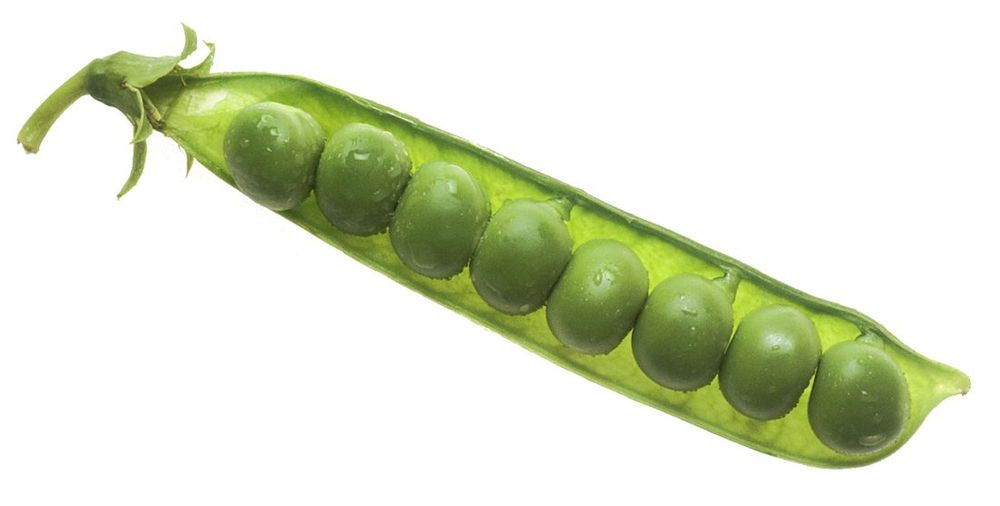
Photo: Renee Comet (photographer) AV Number: AV-9400-4164, Public domain, via Wikimedia Commons

- Sun
- Full sun (tolerates part shade but sets fewer pods)
- Soil
- Well-drained; sandy to clay soils are OK. Benefits from organic matter
- Soil pH
- Usually 6.0-7.5; some advice allows up to 8.0
- Water
- Usually rain-fed in cool spring weather. In dry spells, soak about 1 in per week, especially while pods develop. Water the soil, not the vines
- Hardiness
- Cool-season annual (USDA zones 2-11). Seedlings survive light frost; growth stops above about 85°F
- Height and spread
- Bush and dwarf types about 1-3 ft; tall vining types 5-6 ft or more
Guv's tipSow peas as soon as the soil thaws and can be worked. Give them a trellis, netting or pea brush, and water the soil, not the vines.
Through the year
Months are a rough guide. Time it by your own frost dates.
When to plant
As soon as the soil thaws and can be worked: Minnesota early spring; South Carolina Piedmont Mar-early Apr (fall mid Aug-Oct); South Carolina coast Feb-mid Mar (fall mid Aug-Nov)
Harvest or flowering
About 55-70 days from sowing (late spring to early summer). Pick snow peas while flat and shelling peas when the pods are plump
Pruning
None. Provide a trellis, netting or pea brush
Making more plants
Seed, sown direct about 1 in deep
Watch out for
Aphids (pea aphid)
Look for: Small soft insects; yellowing, sticky leaves; spread viruses
What to do: Usually controlled by lady beetles; insecticidal soap or horticultural oil if severe
Cutworms
Look for: Young plants cut off at the base
What to do: Stem collars, hand-pick at night, remove weeds and residue; Bt on young larvae
Powdery mildew
Erysiphe pisiLook for: White powdery growth on leaves, stems and pods in hot dry weather
What to do: Resistant cultivars, early planting
Root rots
Fusarium solani f. sp. pisi and other Fusarium spp., Aphanomyces euteiches, Pythium spp.Look for: Yellowing, stunting; brown rotted roots
What to do: Well-drained soil, rotation; avoid cold wet planting
Always read and follow the label on any treatment, and check it is approved for use where you live.
Safety and spread
Pets and people: Non-toxic. Green, snow, sugar snap and garden peas are OK for dogs. (The ASPCA's "sweet pea" is the ornamental Lathyrus odoratus, a different species with toxic seeds)
Weed risk: Not on the federal noxious weed list. The USDA PLANTS database shows no federal or state noxious or invasive status
Growing somewhere else? See this plant for the UK.
The Plant Doctor and the Guv's book
Printable pest and disease charts with real photographs, and all 50 USA plants in one book.