 Guv's Gardens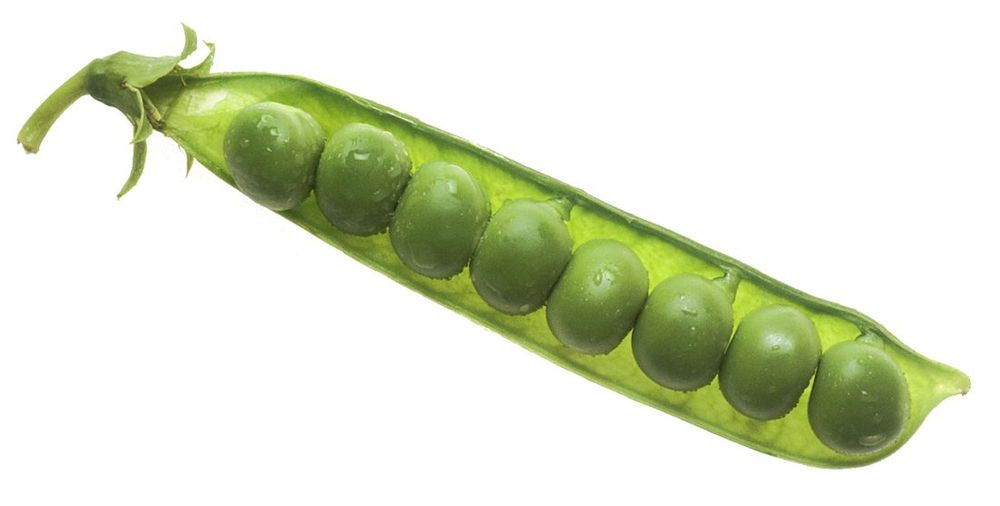
Photo: Renee Comet (photographer) AV Number: AV-9400-4164, Public domain, via Wikimedia Commons

- Sun
- Full sun
- Soil
- Moisture-retentive, well-drained
- Soil pH
- About pH 6.0-7.5
- Water
- Water at flowering and pod-fill
- Hardiness
- Hardy; young plants tolerate light frost
- Height and spread
- 45cm-1.8m depending on cultivar
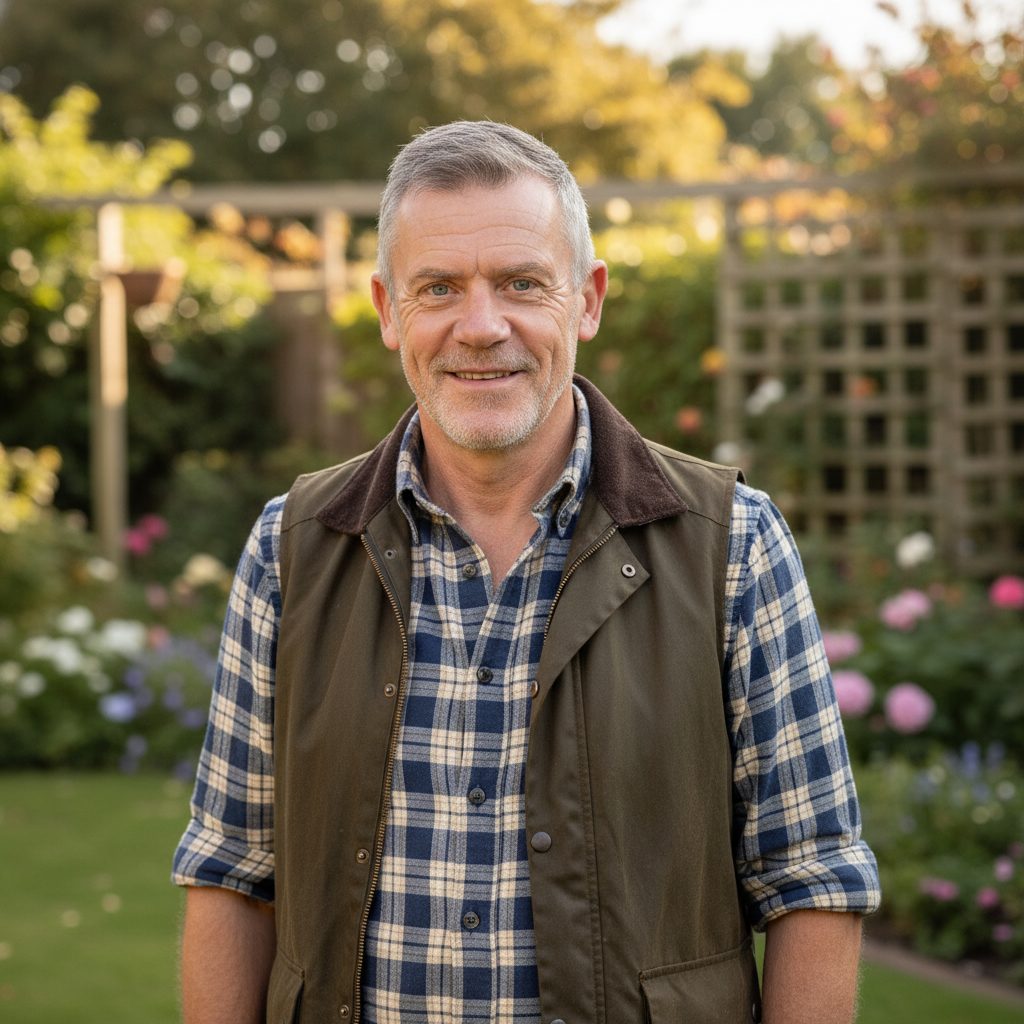
Guv's tipPeas want soil at least 10°C before you sow outdoors. Pigeons fancy them too, so get some netting over. Learnt that the hard way.
Through the year
Timings are for the UK as a whole. Northern and exposed gardens often run a couple of weeks later.
When to plant
Sow outdoors Mar-Jun (soil at least 10°C). Autumn and late-winter sowings give early crops. Plant out indoor-raised plants from Mar
Harvest or flowering
Harvest Jun-Oct
Pruning
None; provide supports
Making more plants
Seed
Watch out for
Pea moth
Look for: Caterpillars inside pods eating peas
What to do: Early or late sowing to avoid flight period (mid-summer), fleece/mesh
Pigeons
Look for: Leaves pecked, stripped to midribs
What to do: Netting
Mice and voles
Look for: Sown seeds dug up and eaten
What to do: Raise plants under cover (in modules or guttering) and plant out; traps
Pea and bean weevil
Look for: U-shaped notches in leaf edges
What to do: Usually tolerable on established plants
Powdery mildew
Various (Erysiphales)Look for: White powdery coating on leaves
What to do: Water in dry spells, mulch, improve air flow, resistant cultivars
Plant viruses
VariousLook for: Mottling, streaking, stunting
What to do: Destroy affected plants, control vectors
Always read and follow the label on any treatment, and check it is approved for use where you live.
Safety and spread
Pets and people: Not listed as toxic or non-toxic by the ASPCA, and no poison data is given by NC State University's plant toolbox
Weed risk: None known
Growing somewhere else? See this plant for the USA.
The Plant Doctor and the Guv's book
Printable pest and disease charts with real photographs, and all 50 UK plants in one book.