 Guv's Gardens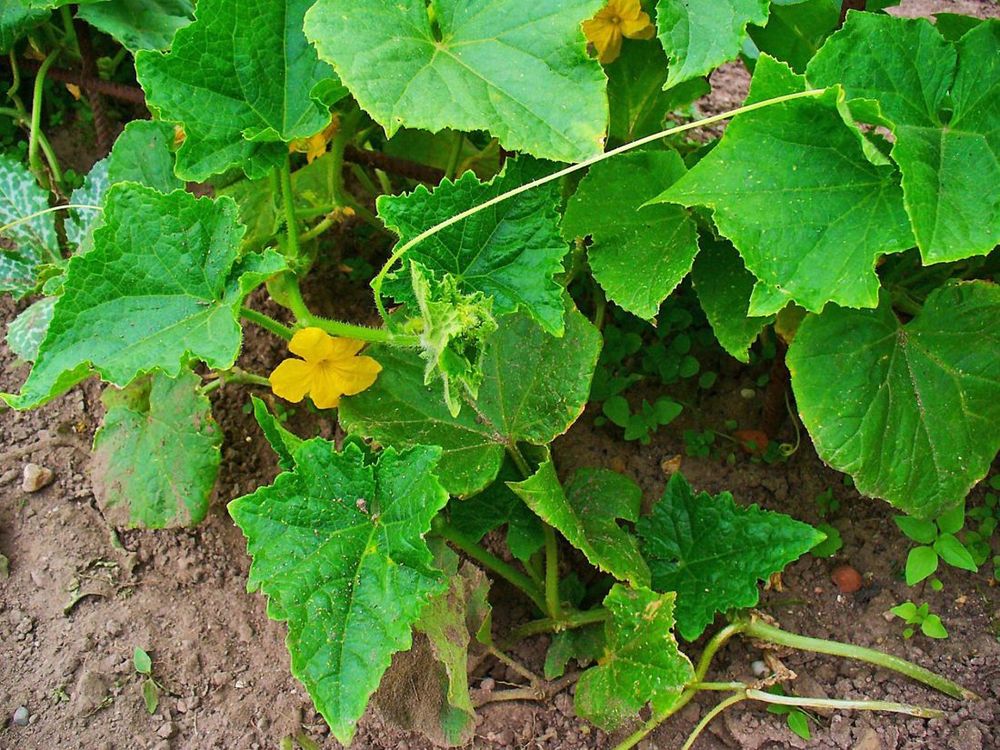
Photo: H. Zell, CC BY-SA 3.0, via Wikimedia Commons

- Sun
- Full sun
- Soil
- Moist, rich, well-drained soil (sandy loam to clay loam, high in organic matter)
- Soil pH
- 6.0-6.5
- Water
- Keep consistently moist, about 1 in per week, soaking to 6 in. Water at the base and keep leaves dry
- Hardiness
- Frost-tender warm-season annual (USDA zones 2-11)
- Height and spread
- 8-18 in tall x 3-8 ft spread. Trellised vines grow upward

Guv's tipTrain cucumbers on a trellis to save space and reduce disease. Water at the base, keep the leaves dry, and pick often, before they yellow.
Through the year
Months are a rough guide. Time it by your own frost dates: after last frost (warm season).
When to plant
Sow direct after the last frost when the soil is about 70°F: South Carolina coast mid Mar-mid May (fall Aug), South Carolina Piedmont mid Apr-early Jun (fall Aug-Sep), Minnesota late May. Can be started indoors 2-4 weeks before planting out
Harvest or flowering
Summer (about Jun-Sep, depending on region). 50-70 days to harvest. Pick often, before fruit turns yellow
Pruning
None needed. Train on a trellis to save space and reduce disease
Making more plants
Seed, sown direct or as short-season transplants (avoid disturbing the taproot)
Watch out for
Cucumber beetles (striped and spotted)
Look for: Yellow beetles with black stripes or spots feeding on seedlings, leaves, flowers; spread bacterial wilt
What to do: Row covers until bloom, remove weeds/debris, trap crops, hand-remove into soapy water; labeled insecticide if needed
Aphids
Look for: Colonies on undersides of leaves; curled, sticky leaves; can spread viruses
What to do: Conserve lady beetles; insecticidal soap or oils
Powdery mildew
Podosphaera xanthii (also Golovinomyces cichoracearum)Look for: Pale yellow spots then white powdery patches on leaves and vines, mid-late summer
What to do: Resistant varieties; labeled fungicide when first found
Bacterial wilt
Erwinia tracheiphilaLook for: Vines wilt by day and recover at night at first, then die; sticky bacterial strands from cut stems
What to do: No cure; control cucumber beetles, remove infected plants
Downy mildew
Pseudoperonospora cubensis (water mold)Look for: Angular pale yellow spots bounded by veins, gray-purple fuzz underneath
What to do: Resistant varieties, avoid overhead irrigation, remove diseased plants; fungicide if needed
Always read and follow the label on any treatment, and check it is approved for use where you live.
Safety and spread
Pets and people: Non-toxic to dogs, cats and horses (ASPCA)
Weed risk: Not on the federal noxious weed list. The USDA PLANTS database shows no federal or state noxious or invasive status
Growing somewhere else? See this plant for the UK and Australia.
The Plant Doctor and the Guv's book
Printable pest and disease charts with real photographs, and all 50 USA plants in one book.