 Guv's Gardens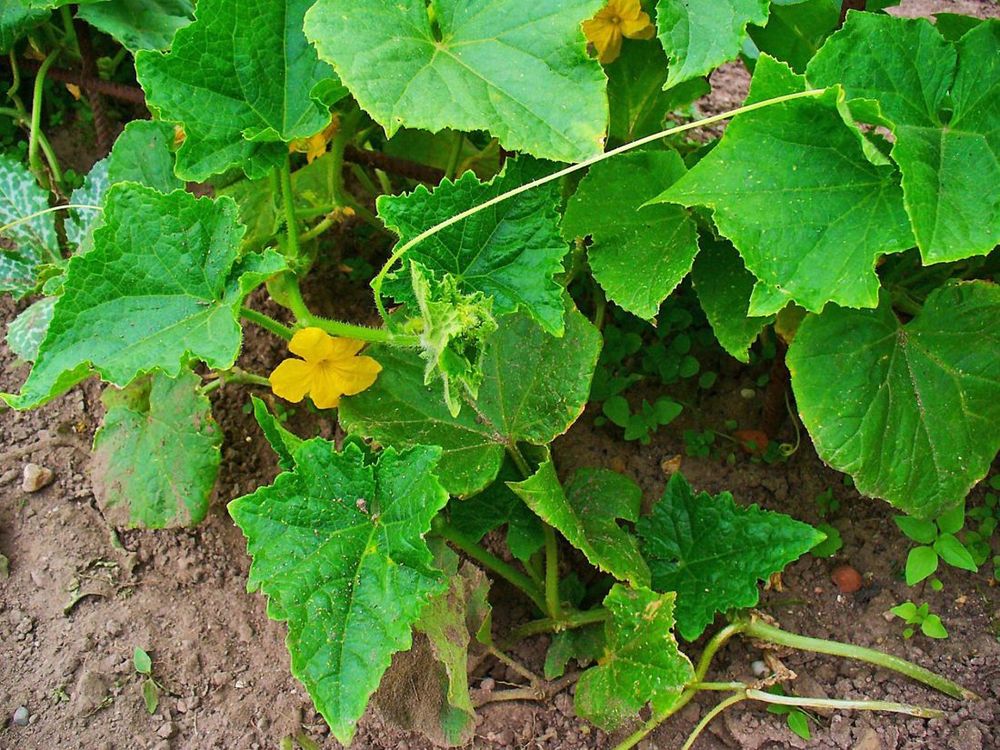
Photo: H. Zell, CC BY-SA 3.0, via Wikimedia Commons

- Sun
- Full sun, warm
- Soil
- Rich, moisture-retentive
- Soil pH
- Slightly acid to neutral, pH 6.0-6.5 best; tolerates acid, neutral or alkaline soil
- Water
- Water frequently; keep moist
- Hardiness
- Tender, RHS H1C
- Height and spread
- Climbing or trailing 1-2m or more when trained (ridge types 1-1.5m); bush types are compact

Guv's tipCucumbers need 20°C or more to germinate. Pinch out side shoots and take off male flowers on greenhouse types. Trust me on this one.
Through the year
Timings are for the UK as a whole. Northern and exposed gardens often run a couple of weeks later.
When to plant
Sow Feb-Mar in a heated greenhouse or Apr in an unheated one (needs 20°C or more to germinate); outdoor types Apr-May. Plant out after frost, late May-Jun
Harvest or flowering
Harvest Jul-Oct
Pruning
Pinch out side shoots; remove male flowers on greenhouse types
Making more plants
Seed
Watch out for
Glasshouse red spider mite
Look for: Fine mottling of leaves, fine webbing, leaf yellowing
What to do: Raise humidity, biological control Phytoseiulus persimilis under glass
Glasshouse whitefly
Look for: Tiny white flying insects under leaves, honeydew and sooty mould
What to do: Yellow sticky traps, biological control Encarsia formosa under glass
Slugs and snails
Look for: Irregular holes in leaves, slime trails, seedlings eaten
What to do: Hand-pick at night, barriers, beer traps, encourage predators; ferric phosphate pellets sparingly
Cucumber mosaic virus
Cucumber mosaic virus (CMV)Look for: Mottled, distorted leaves, stunting, poor fruit
What to do: Destroy infected plants, control aphids, resistant cultivars
Powdery mildew
Various (Erysiphales)Look for: White powdery coating on leaves
What to do: Water in dry spells, mulch, improve air flow, resistant cultivars
Always read and follow the label on any treatment, and check it is approved for use where you live.
Safety and spread
Pets and people: Non-toxic to dogs, cats and horses, according to the ASPCA. Bitter fruit can be toxic to pets
Weed risk: Not listed as an invasive plant in Great Britain
Growing somewhere else? See this plant for the USA and Australia.
The Plant Doctor and the Guv's book
Printable pest and disease charts with real photographs, and all 50 UK plants in one book.