 Guv's Gardens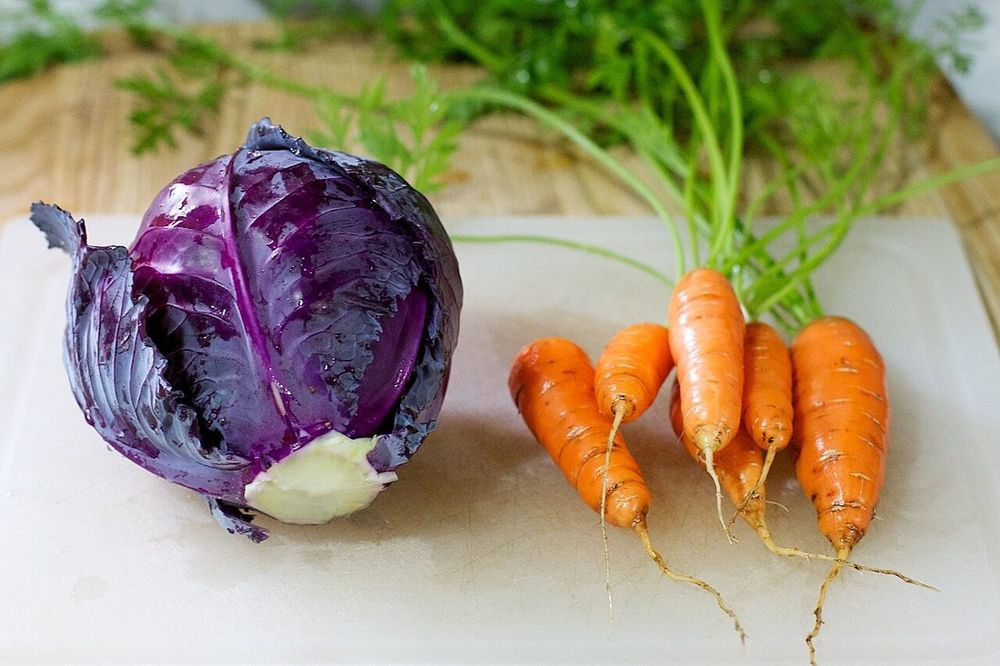
Photo: cogdogblog, CC BY 2.0, via Wikimedia Commons
.jpg)
- Sun
- Full sun (tolerates part shade)
- Soil
- Deep, loose, stone-free sandy loam. Heavy or compacted soil causes forked roots
- Soil pH
- About 6.0-7.0 (neutral to slightly acidic)
- Water
- About 1 in per week, with even moisture. Drought or uneven watering gives bitter, tough or cracked roots
- Hardiness
- Cool-season biennial grown as an annual (USDA zones 2-11)
- Height and spread
- Foliage 3 in-3 ft. Thin plants to 2-4 in apart
Guv's tipHeavy or compacted soil gives you forked carrots, so go for deep, loose, stone-free sandy loam. Thin seedlings to 2-4 inches apart.
Through the year
Months are a rough guide. Time it by your own frost dates.
When to plant
Sow direct: Minnesota from mid-Apr with repeat sowings; North Carolina Feb-Mar and Aug-mid Sep; South Carolina Piedmont Mar (fall Jul); South Carolina coast Dec-Jan (fall Aug)
Harvest or flowering
Harvest 65-120 days after sowing, whenever roots reach a usable size
Pruning
Thin seedlings to 2-4 in apart
Making more plants
Seed, sown direct (transplanting damages roots)
Watch out for
Aster leafhopper / six-spotted leafhopper (aster yellows)
Look for: Leafhoppers spread aster yellows: yellow tops, hairy, bitter roots
What to do: No cure: remove infected plants immediately and control weed hosts (e.g. dandelion) that harbor the phytoplasma
Cutworms
Look for: Seedlings cut off at the base
What to do: Cardboard/plastic stem collars, hand-pick at night, remove weeds and residue; Bt on young larvae
Alternaria leaf blight
Alternaria dauciLook for: Dark brown to black leaf spots, blighted leaflets and tops
What to do: Rotation, clean/treated seed, remove residue; labeled fungicide if severe
Root-knot nematode
Meloidogyne spp.Look for: Galled, forked, stunted roots
What to do: Rotation with non-hosts; avoid infested soil
Always read and follow the label on any treatment, and check it is approved for use where you live.
Safety and spread
Pets and people: Non-toxic to dogs, cats and horses (ASPCA, "carrot flower")
Weed risk: Cultivated carrot is not on the federal noxious weed list and has no noxious status in the USDA PLANTS database. However, the wild form of the same species (wild carrot, or Queen Anne's lace) is a Washington State Class C noxious weed (except where grown commercially)
Growing somewhere else? See this plant for the UK.
The Plant Doctor and the Guv's book
Printable pest and disease charts with real photographs, and all 50 USA plants in one book.