 Guv's Gardens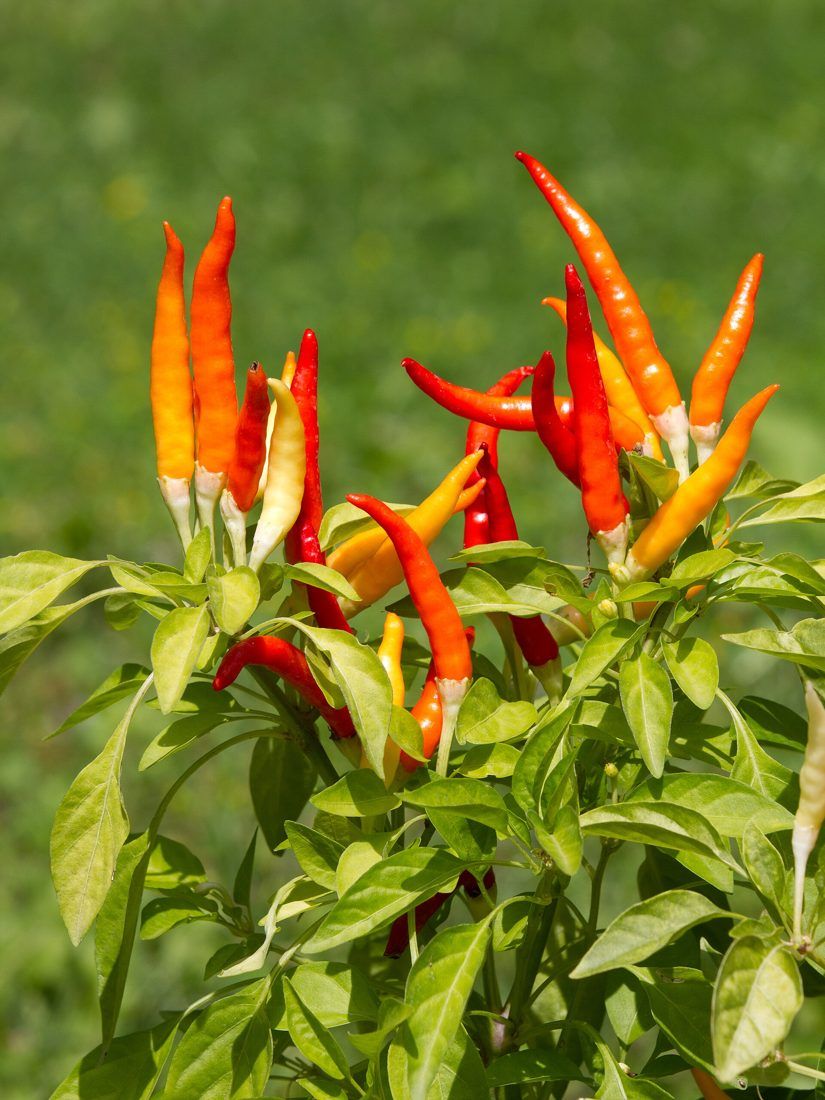
Photo: PierreSelim, CC BY 3.0, via Wikimedia Commons

- Sun
- Full sun
- Soil
- Well-drained, moist, rich loam or sandy loam
- Soil pH
- About 6.0-7.0
- Water
- Keep consistently moist, about 1 in per week, soaking to at least 6 in. Uneven moisture causes blossom-end rot and weak fruit set
- Hardiness
- Frost-tender. Grown as a warm-season annual (USDA zones 4-11; perennial in frost-free areas)
- Height and spread
- 1-3.7 ft tall x 0.5-1 ft wide. Space plants 12-18 in apart

Guv's tipWait until nights stay above 50°F before transplanting peppers. Pinch young plants to make them bushy, and wear gloves with hot ones.
Through the year
Months are a rough guide. Time it by your own frost dates: after last frost (warm season).
When to plant
Start seed indoors about 8 weeks before transplanting. Transplant after frost when nights stay above 50°F: South Carolina coast Apr-mid May (fall crop Jul-Aug), South Carolina Piedmont May-Jun, Minnesota late May-Jun
Harvest or flowering
Summer to frost (about Jul-Oct). 70-85 days from transplant (100-120 from seed). Pick green at full size or let fruit ripen to color
Pruning
None required. Pinch young plants to make them bushy. On indoor transplants, pinch off flower buds until they are set out
Making more plants
Seed started indoors 6-8 weeks before the last frost, or transplants
Watch out for
Aphids
Look for: Colonies on shoots; curled, discolored, sticky leaves
What to do: Strong water spray; insecticidal soap, horticultural oil or neem; conserve natural enemies
Caterpillars (tomato hornworm, corn earworm, European corn borer)
Look for: Chewed leaves; holes in fruit, sometimes followed by soft rot
What to do: Hand-pick; Bt or spinosad on young larvae
Bacterial spot
Xanthomonas spp. (X. euvesicatoria, X. vesicatoria, X. perforans, X. gardneri)Look for: Small brown circular leaf spots, leaf drop; raised scabby fruit spots
What to do: Disease-free seed and transplants, 3-4 year rotation away from tomato family, remove debris; copper products may slow spread
Blossom-end rot
Non-infectious (calcium supply/uneven moisture)Look for: Sunken, scabbed or moldy patch at fruit blossom end
What to do: Keep soil uniformly moist (not saturated); mulch
Always read and follow the label on any treatment, and check it is approved for use where you live.
Safety and spread
Pets and people: Bell peppers are not considered toxic to dogs, though too much may cause stomach upset. Not on the ASPCA list (its "ornamental pepper" is a different plant, Solanum pseudocapsicum). Hot peppers: capsaicin irritates skin and eyes, so wear gloves
Weed risk: Not on the federal noxious weed list. The USDA PLANTS database shows no federal or state noxious or invasive status
Growing somewhere else? See this plant for the UK and Australia and Australia.
The Plant Doctor and the Guv's book
Printable pest and disease charts with real photographs, and all 50 USA plants in one book.