 Guv's Gardens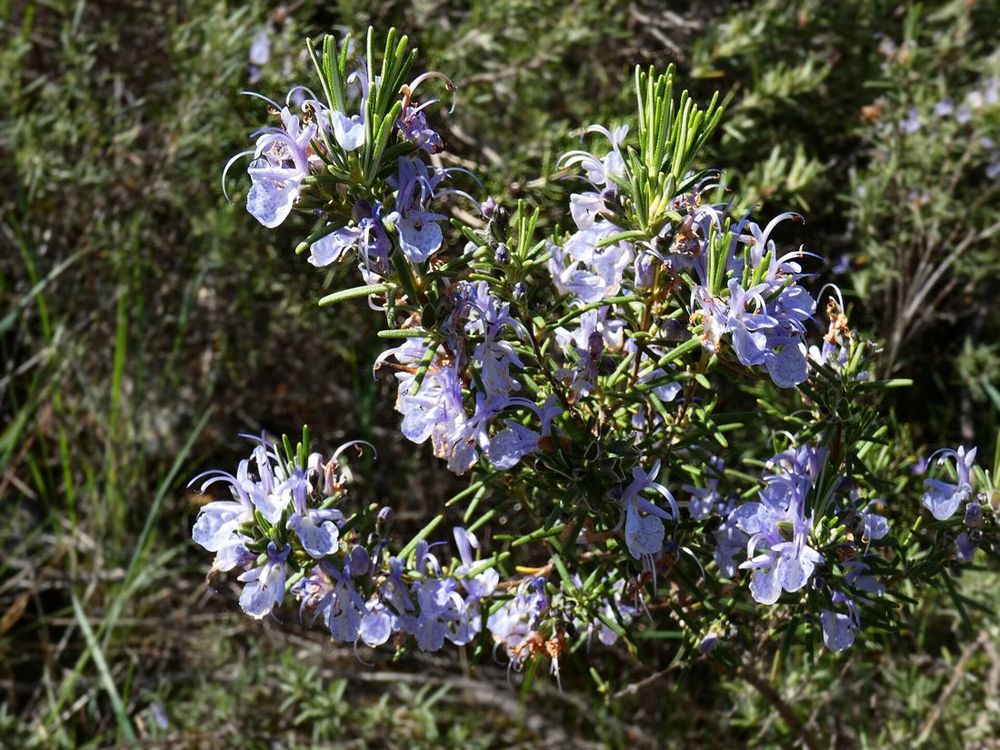
Photo: Miguel Angel Masegosa Martínez, CC BY 2.0, via Wikimedia Commons
-Rosmarinus_officinalis_(41960388224).jpg)
- Sun
- Full sun
- Soil
- Free-draining, poor to moderately fertile
- Soil pH
- Not fussy: acid, neutral or alkaline. Sharp drainage is essential
- Water
- Drought tolerant; avoid winter wet
- Hardiness
- Mostly hardy, RHS H4. Young plants are vulnerable to cold combined with winter wet
- Height and spread
- 60cm-2m tall and wide depending on cultivar (the species can reach 1.5-2.5m)

Guv's tipRosemary's drought tolerant but hates winter wet. Trim lightly after flowering each year, and don't cut into old wood.
Through the year
Timings are for the UK as a whole. Northern and exposed gardens often run a couple of weeks later.
When to plant
Plant in spring (Mar-May) or early autumn in well-drained soil
Harvest or flowering
Harvest all year (evergreen); flowers in spring (Mar-May)
Pruning
Trim lightly after flowering each year; avoid cutting into old wood
Making more plants
Softwood or semi-ripe cuttings, layering, seed
Watch out for
Rosemary beetle
Look for: Metallic green-purple striped beetles and grey larvae eating leaves
What to do: Hand-pick or shake onto newspaper; tolerate light damage
Sage and Ligurian leafhoppers
Look for: Pale mottled patches on upper leaf surfaces
What to do: Usually tolerable; no action normally needed
Frost damage
AbioticLook for: Blackened or scorched new growth
What to do: Choose sheltered site, protect with fleece
Always read and follow the label on any treatment, and check it is approved for use where you live.
Safety and spread
Pets and people: Non-toxic to dogs, cats and horses, according to the ASPCA. May cause skin allergy in sensitive people
Weed risk: Not listed as an invasive plant in Great Britain
Growing somewhere else? See this plant for the USA and Australia.
The Plant Doctor and the Guv's book
Printable pest and disease charts with real photographs, and all 50 UK plants in one book.