 Guv's Gardens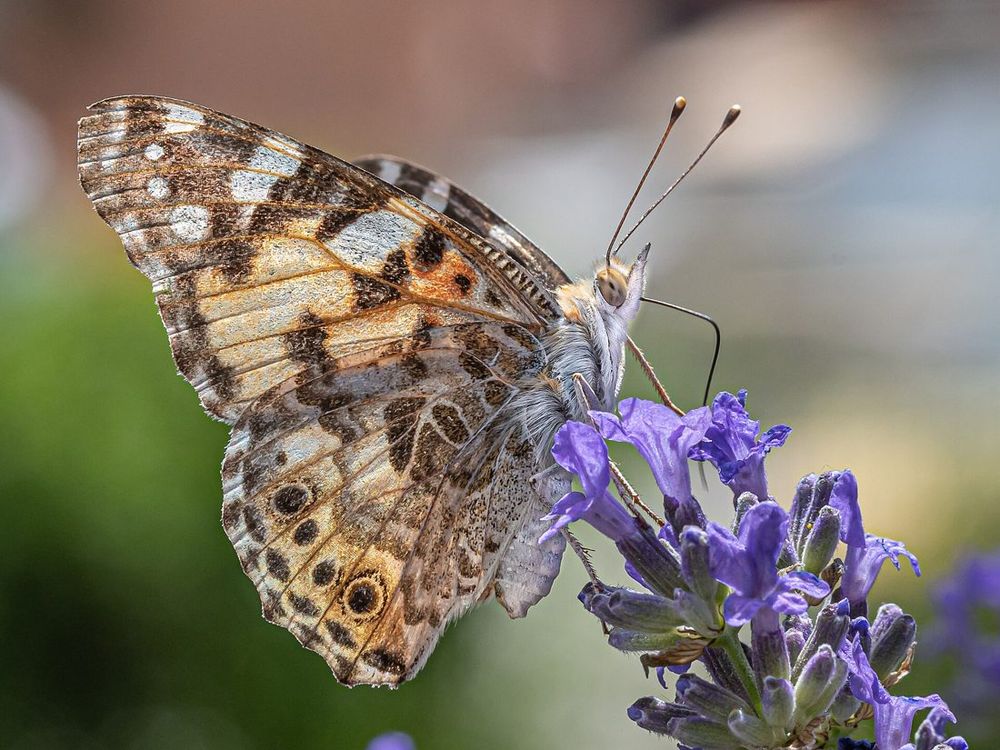
Photo: Isiwal, CC BY-SA 4.0, via Wikimedia Commons

- Sun
- Full sun
- Soil
- Poor to moderately fertile, free-draining. Tolerates chalky soil; dislikes heavy clay or waterlogging
- Soil pH
- Neutral to alkaline; thrives on chalky soils
- Water
- Drought tolerant once established
- Hardiness
- English lavender (L. angustifolia) and its hybrids are the hardiest. French and tender lavenders are less hardy: overwinter frost-free
- Height and spread
- 30-90cm tall, 60-90cm spread (English lavender)
Guv's tipTrim lavender just after flowering in late summer, but never cut into the old bare wood. It won't forgive you, I'm afraid.
Through the year
Timings are for the UK as a whole. Northern and exposed gardens often run a couple of weeks later.
When to plant
Plant in spring, Mar-May (April or May is best). Never plant in winter
Flowering
Flowers late spring to summer
Pruning
Trim annually in late summer (Aug-early Sep) just after flowering. Do not cut into old bare wood
Making more plants
Softwood cuttings in early to midsummer, semi-ripe cuttings in late summer, hardwood cuttings after flowering
Watch out for
Rosemary beetle
Look for: Metallic green-purple striped beetles and grey larvae eating leaves
What to do: Hand-pick or shake onto newspaper; tolerate light damage
Sage and Ligurian leafhoppers
Look for: Pale mottled patches on upper leaf surfaces
What to do: Usually tolerable; no action normally needed
Xylella
Xylella fastidiosaLook for: Leaf scorch, wilting and dieback (not yet found in UK)
What to do: Notifiable; buy UK-grown plants, report suspected cases
Always read and follow the label on any treatment, and check it is approved for use where you live.
Safety and spread
Pets and people: Toxic to dogs, cats and horses (linalool, linalyl acetate), causing nausea and vomiting, according to the ASPCA. Low severity to humans
Weed risk: Lavender is a high-risk host for Xylella fastidiosa; plant movements require plant passports
Growing somewhere else? See this plant for the USA.
The Plant Doctor and the Guv's book
Printable pest and disease charts with real photographs, and all 50 UK plants in one book.