 Guv's Gardens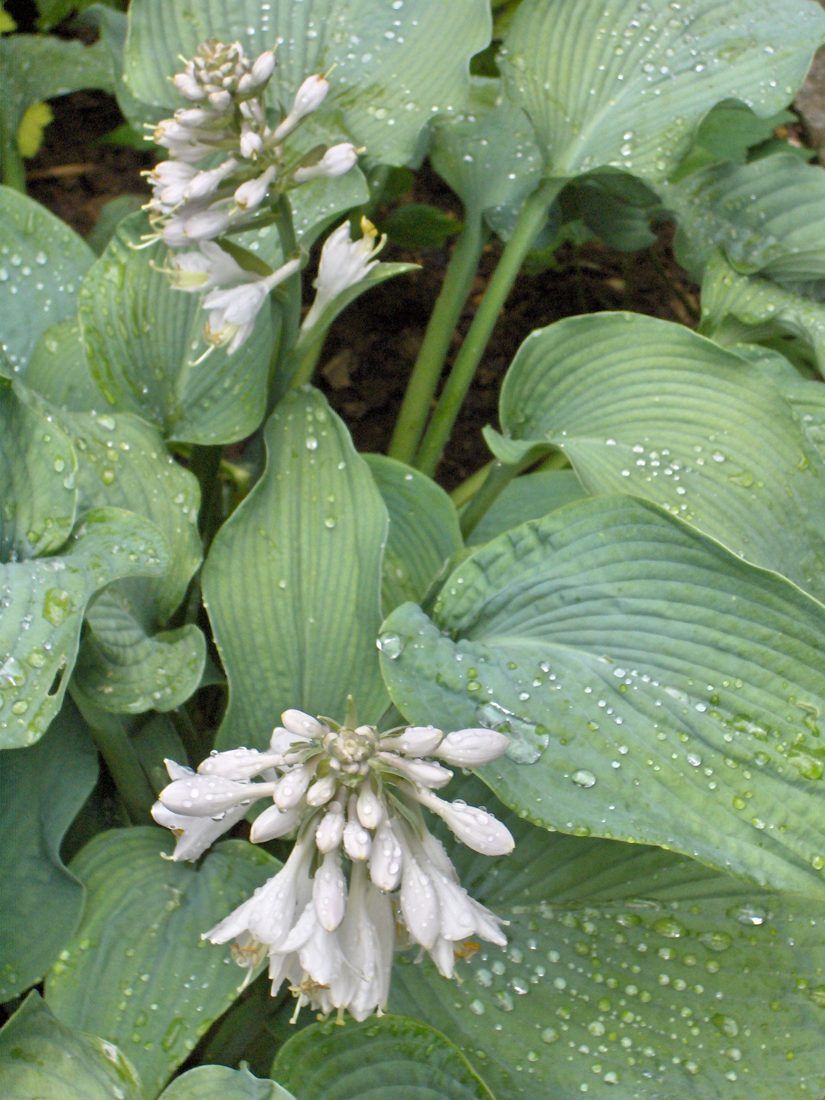
Photo: Unknown, CC BY-SA 3.0, via Wikimedia Commons

- Sun
- Part shade to full shade
- Soil
- Moist, fertile, well-drained
- Soil pH
- Slightly acid to neutral, about pH 6.5 ideal
- Water
- Keep moist, especially in the first summer
- Hardiness
- Fully hardy, RHS H7 (herbaceous; dies back in late autumn)
- Height and spread
- 10cm-1m tall, 15cm-1m or more spread depending on cultivar
Guv's tipSlugs and snails adore hostas. Hand-pick at night, use barriers or beer traps. And keep them moist, especially the first summer.
Through the year
Timings are for the UK as a whole. Northern and exposed gardens often run a couple of weeks later.
When to plant
Plant in spring or autumn (avoid midsummer and frozen ground)
Flowering
Foliage spring to autumn; flowers in summer
Pruning
Remove dead foliage in late autumn; deadhead
Making more plants
Division in spring or autumn
Watch out for
Slugs and snails
Look for: Irregular holes in leaves, slime trails, seedlings eaten
What to do: Hand-pick at night, barriers, beer traps, encourage predators; ferric phosphate pellets sparingly
Vine weevil
Look for: Notched leaf edges (adults); C-shaped grubs eat roots, plants wilt and collapse
What to do: Nematode drench (Steinernema kraussei) in late summer/autumn, pick off adults at night
Always read and follow the label on any treatment, and check it is approved for use where you live.
Safety and spread
Pets and people: Toxic to dogs, cats and horses (saponins), causing vomiting and diarrhoea, according to the ASPCA. A known problem for cats and dogs
Weed risk: Not listed as an invasive plant in Great Britain
Growing somewhere else? See this plant for the USA.
The Plant Doctor and the Guv's book
Printable pest and disease charts with real photographs, and all 50 UK plants in one book.