 Guv's Gardens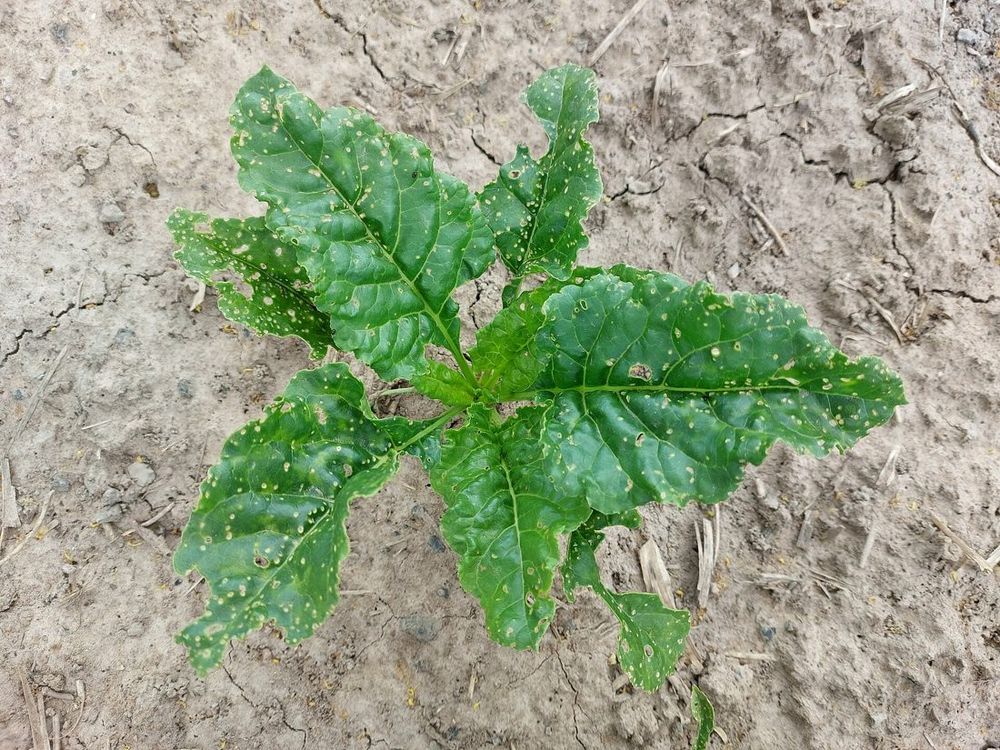
Photo: Schlaghecken Josef, CC BY 4.0, via Wikimedia Commons

- Sun
- Full sun to part shade.
- Soil
- Rich and well-drained, kept moist.
- Soil pH
- 6.0-7.0 (lime acidic soil).
- Water
- Water regularly; moist but not wet (overwatering encourages leaf diseases).
- Hardiness
- Hardy; all Australian climate zones.
- Height and spread
- About 30-90 cm.

Guv's tipHarvest silverbeet's outer leaves at the base and you'll keep picking for months. Don't overwater, mind; it encourages leaf diseases.
Through the year
When to plant
Most of the year in temperate and cool areas (Tasmania Aug-May); avoid extremes of heat and cold.
Harvest or flowering
From about 8 weeks; pick outer leaves repeatedly for months.
Pruning
None; harvest outer leaves at the base.
Making more plants
Seed.
Watch out for
Snails and slugs
Look for: Holes chewed in leaves and seedlings; silvery slime trails. They feed at night and in damp weather.
What to do: Hand-pick at night by torchlight, remove daytime hiding spots, and protect seedlings, especially in damp weather.
Fungal leaf spot
Fungal - Cercospora spp. (e.g. Cercospora beticola).Look for: Small dark or black spots on leaves.
What to do: Avoid overwatering and wetting leaves, remove affected leaves and space plants well. If spraying, use only a product registered for silverbeet - copper is registered on silverbeet for downy mildew, not for Cercospora.
Always read and follow the label on any treatment, and check it is approved for use where you live.
Safety and spread
Pets and people: Non-toxic to dogs and cats (ASPCA, listed as beets/Swiss chard, Beta vulgaris). Not listed on the University of California toxic plant list.
Weed risk: Not listed as a weed on Weeds Australia or the Queensland restricted invasive plant list.
Growing somewhere else? See this plant for the UK.
The Plant Doctor and the Guv's book
Printable pest and disease charts with real photographs, and all 50 Australia plants in one book.