 Guv's Gardens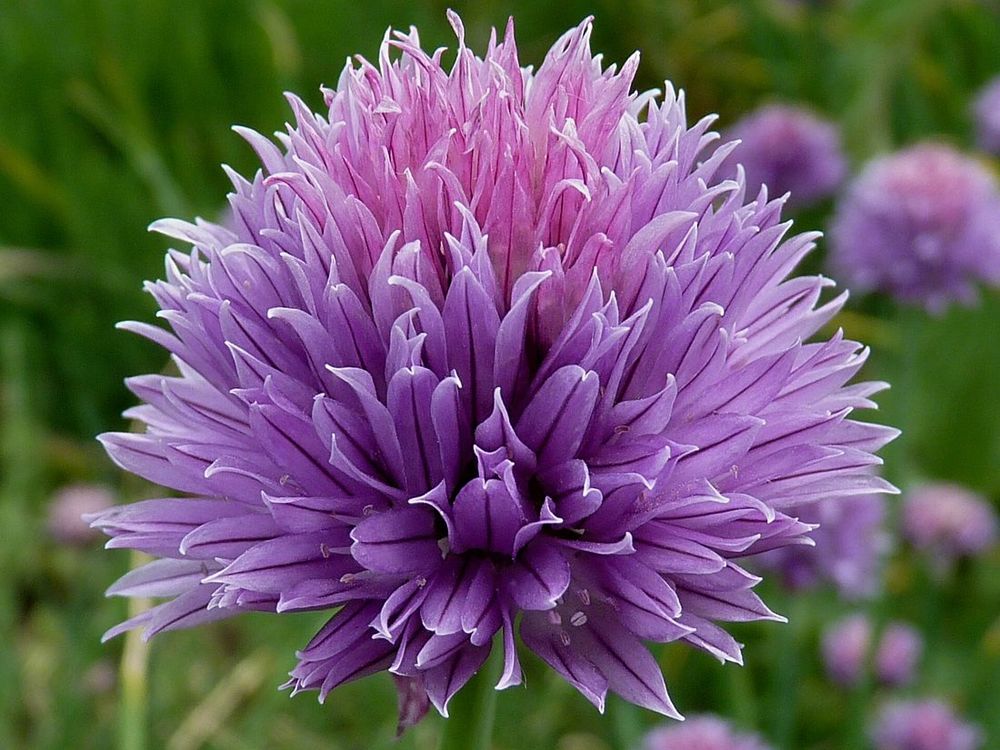
Photo: Jamain, CC BY-SA 3.0, via Wikimedia Commons

- Sun
- Full sun to part shade.
- Soil
- Fertile, moisture-retentive but well-drained; not waterlogged.
- Soil pH
- About 6.0-7.0.
- Water
- Water regularly; keep moist, especially seedlings and pots.
- Hardiness
- All Australian climate zones (perennial).
- Height and spread
- 20-45 cm tall; clumps 10-40 cm wide.
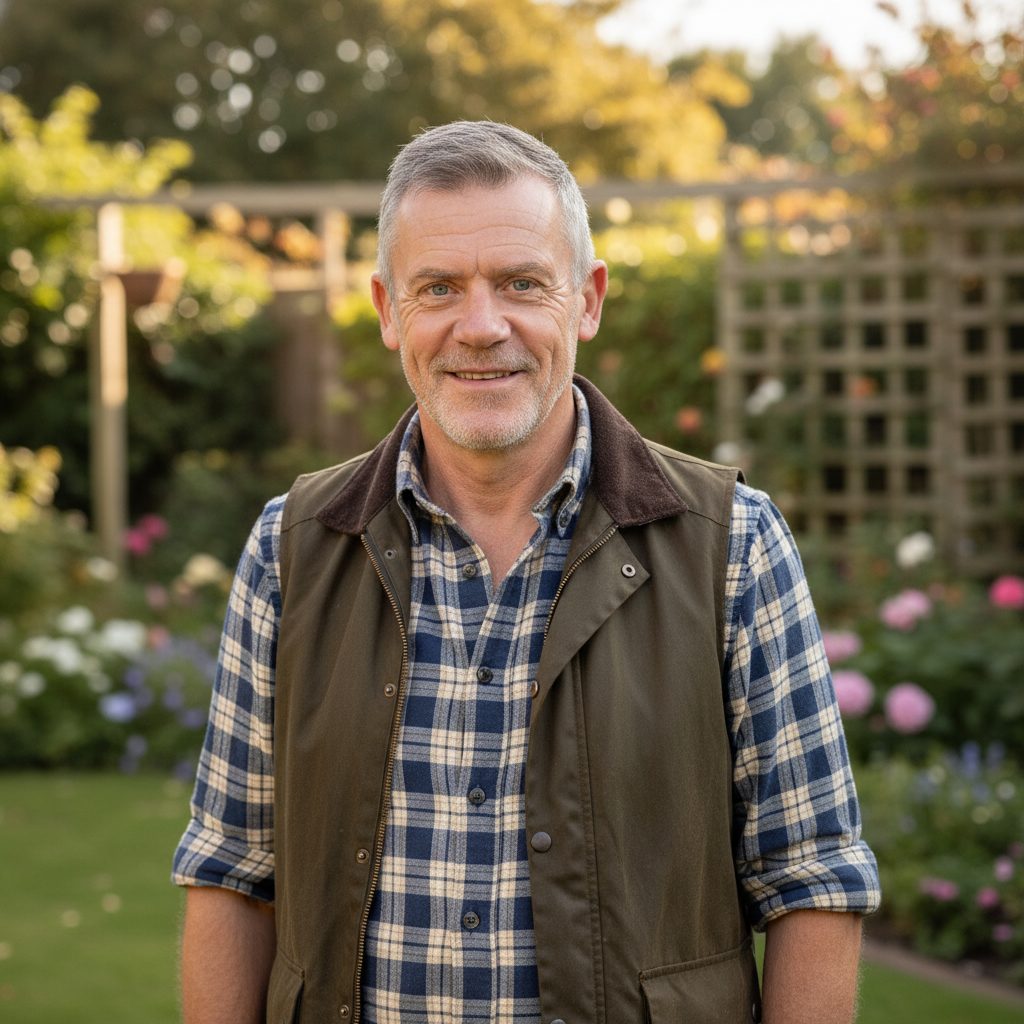
Guv's tipSnip chives regularly and divide clumps every three or four years. Keep them away from dogs, cats and livestock, mind; all alliums are poisonous to them.
Through the year
Timings are for temperate Australia. Tropical and arid gardens follow different seasons.
When to plant
Cool and temperate areas: spring to autumn (cool zone Oct-Mar, warm temperate Sep-Apr). Subtropical and hot areas: Mar-Sep, or all year in warm climates. Tropical: Apr-Jul.
Harvest or flowering
Harvest leaves from about 8 weeks after sowing, spring to autumn. Edible purple or mauve pompom flowers in late spring-summer.
Pruning
Snip leaves regularly; cut back old leaves and deadhead to keep tidy. Divide clumps every 3-4 years.
Making more plants
Seed (5 mm deep; slow to germinate - up to 21 days) or division of clumps.
Safety and spread
Pets and people: Toxic to dogs, cats and horses (ASPCA): n-propyl disulfide causes vomiting and haemolytic (Heinz-body) anaemia. All alliums, including chives, are poisonous to dogs, cats and livestock (Pet Poison Helpline).
Weed risk: Not a declared weed in Victoria or Queensland. Only other Allium species, e.g. A. triquetrum and A. vineale, are declared in Victoria.
Growing somewhere else? See this plant for the UK and the USA.
The Plant Doctor and the Guv's book
Printable pest and disease charts with real photographs, and all 50 Australia plants in one book.