 Guv's Gardens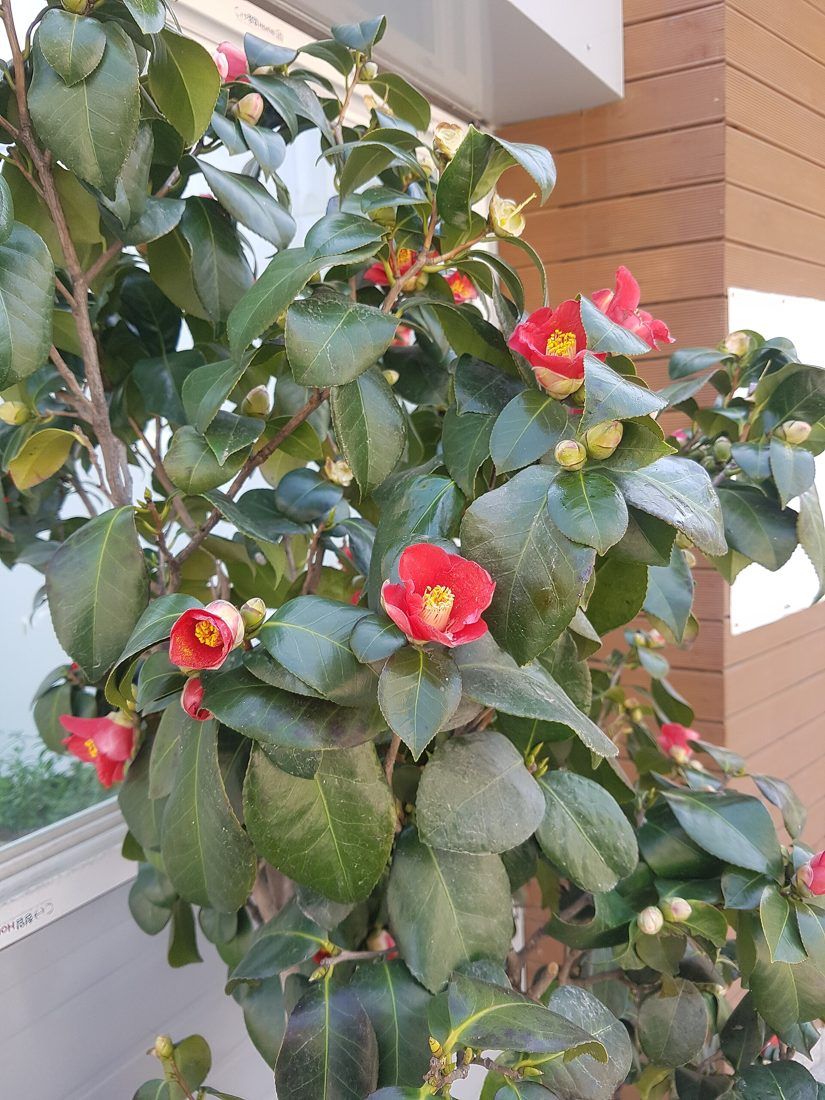
Photo: Bongsun, CC BY-SA 3.0, via Wikimedia Commons

- Sun
- Part shade or dappled light (C. japonica). C. sasanqua tolerates full sun if kept moist, but is best with afternoon protection.
- Soil
- Acidic, humus-rich and well-drained.
- Soil pH
- About 5.5-6.5 (acid-loving); tolerates a wider range.
- Water
- Water regularly; keep soil moist and don't let it dry out (causes bud drop).
- Hardiness
- Cool to subtropical climates; tolerates light frost once established. Not for hot, dry inland areas.
- Height and spread
- 2-5 m+ depending on species (C. japonica about 3-5 m; C. sasanqua 1-6 m).
Guv's tipDon't let camellias dry out, or you'll get bud drop. Remove fallen flowers promptly to beat petal blight, and mulch beneath.
Through the year
Timings are for temperate Australia. Tropical and arid gardens follow different seasons.
When to plant
Spring (Sep-Nov) or autumn (Mar-May) is best; possible year-round.
Flowering
C. sasanqua from mid-autumn (about April); C. japonica late autumn or mid-winter to early spring. Overall Apr-Sep.
Pruning
Light pruning soon after flowering finishes, only to shape.
Making more plants
Semi-hardwood stem cuttings in summer; grafting.
Watch out for
Scale insects
Look for: Raised brown, white or grey bumps on stems and leaves; honeydew; sooty mould.
What to do: Horticultural oil or a registered pyrethrum spray.
Aphids
Look for: Clusters on new growth; yellowed, distorted leaves.
What to do: Registered pyrethrum spray, or hose off.
Camellia petal blight
Ciborinia camelliaeLook for: Brown blotches spreading from the petal edges to the centre; the whole flower browns and drops.
What to do: Promptly remove and destroy infected and fallen flowers; mulch beneath plants.
Always read and follow the label on any treatment, and check it is approved for use where you live.
Safety and spread
Pets and people: Non-toxic to dogs, cats and horses (ASPCA, Camellia japonica).
Weed risk: Not a declared weed in Victoria or Queensland.
Growing somewhere else? See this plant for the UK.
The Plant Doctor and the Guv's book
Printable pest and disease charts with real photographs, and all 50 Australia plants in one book.