 Guv's Gardens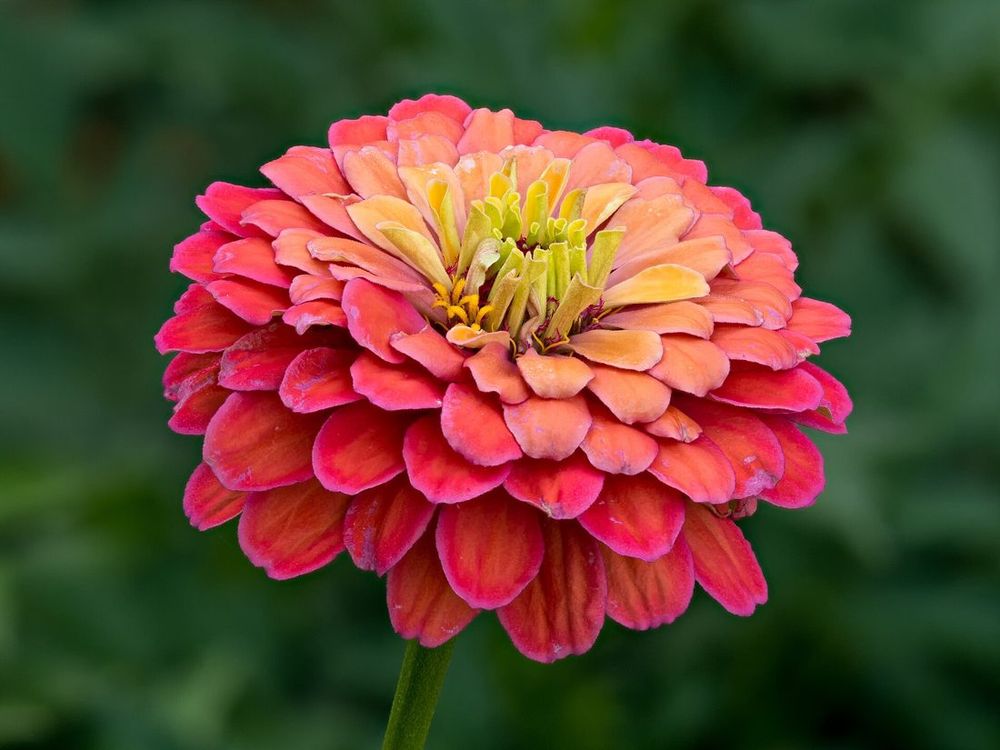
Photo: Ermell, CC BY-SA 4.0, via Wikimedia Commons

- Sun
- Full sun
- Soil
- Well-drained, fertile soil
- Soil pH
- 5.5-7.5; tolerates acid to alkaline soil
- Water
- Moderate. Water at the base
- Hardiness
- Frost-tender annual, grown in all zones
- Height and spread
- 0.5-4 ft x 0.67-1 ft
Guv's tipWater zinnias at the base and give them room for air flow. That's your best defense against powdery mildew and leaf spot.
Through the year
When to plant
Sow direct after the last spring frost when the soil is about 70°F (transplants when the soil is about 60°F). The exact month depends on your local frost date
Harvest or flowering
June to frost
Pruning
Deadhead. Pinch young plants
Making more plants
Seed
Watch out for
Japanese beetle
Look for: Chewed flowers and leaves
What to do: Hand-pick into soapy water early or late in day; netting
Powdery mildew
Golovinomyces cichoracearumLook for: White-gray powdery coating on leaves, stems, flowers
What to do: Air circulation, water at soil level, resistant cultivars where available, remove infected plants; labeled fungicide (e.g. sulfur) if severe
Alternaria leaf spot
Alternaria zinniaeLook for: Reddish-brown to purple spots with gray centers; defoliation
What to do: Space plants for air flow, water at soil level in the morning, remove debris. Grow leaf-spot-resistant cultivars
Always read and follow the label on any treatment, and check it is approved for use where you live.
Safety and spread
Pets and people: Non-toxic to dogs, cats and horses (ASPCA, NC State Extension)
Weed risk: Not on the federal noxious weed list
The Plant Doctor and the Guv's book
Printable pest and disease charts with real photographs, and all 50 USA plants in one book.