 Guv's Gardens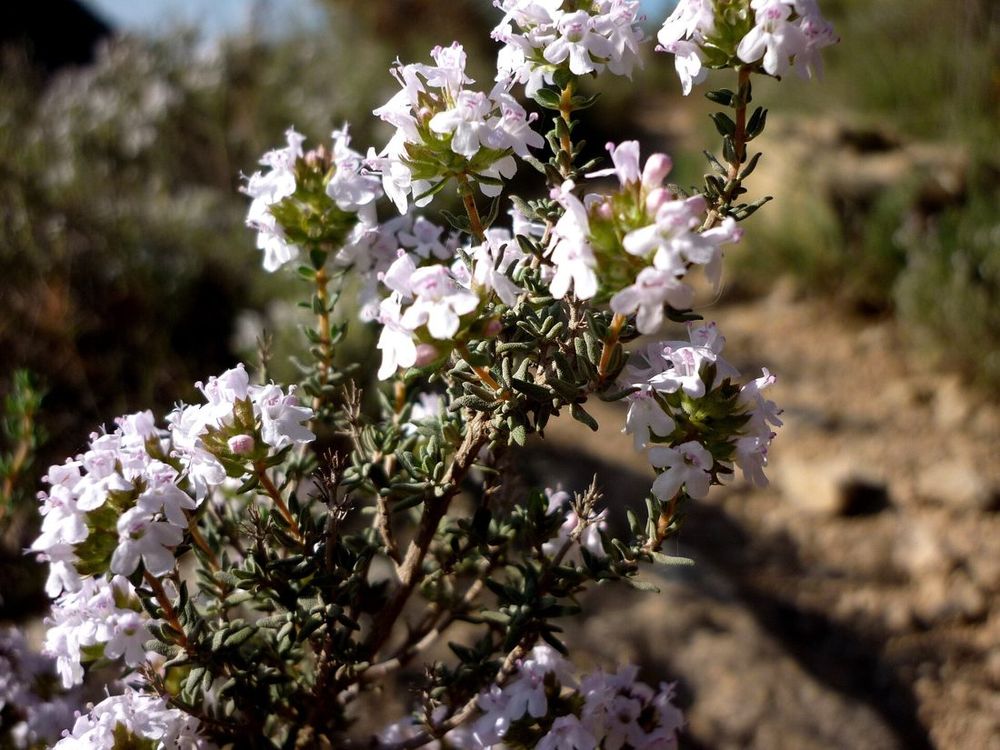
Photo: Isidre blanc, CC BY-SA 4.0, via Wikimedia Commons
.JPG)
- Sun
- Full sun
- Soil
- Well-drained, lean, sandy soil
- Soil pH
- About 6.0-7.5 (neutral to alkaline)
- Water
- Low
- Hardiness
- USDA zones 5-9
- Height and spread
- 6-12 in tall x 6-16 in wide, a low spreading mound
Guv's tipThyme likes lean, sandy soil and little water. Shear after flowering, and renew woody plants every few years. Best harvested just before flowering.
Through the year
Months are a rough guide. Time it by your own frost dates.
When to plant
Spring (Apr-May)
Harvest or flowering
Flowers in summer. Harvest leaves throughout the growing season, best just before flowering
Pruning
Shear after flowering. Renew woody plants every few years
Making more plants
Cuttings, division or layering
Watch out for
Spider mites
Look for: Stippled, yellowing leaves, weakened growth
What to do: Hose off; insecticidal soap
Aphids
Look for: Clusters on shoots, honeydew
What to do: Hose off; insecticidal soap
Root rot
Soilborne fungi incl. RhizoctoniaLook for: Wilting, browning, collapse in wet soils
What to do: Sharp drainage, avoid overwatering
Gray mold
Botrytis cinereaLook for: Fuzzy gray growth on stems/leaves in damp weather
What to do: Air circulation, avoid wet foliage, remove affected growth
Always read and follow the label on any treatment, and check it is approved for use where you live.
Safety and spread
Pets and people: Non-toxic to dogs, cats and horses (ASPCA, NC State Extension)
Weed risk: None known
Growing somewhere else? See this plant for the UK and Australia.
The Plant Doctor and the Guv's book
Printable pest and disease charts with real photographs, and all 50 USA plants in one book.