 Guv's Gardens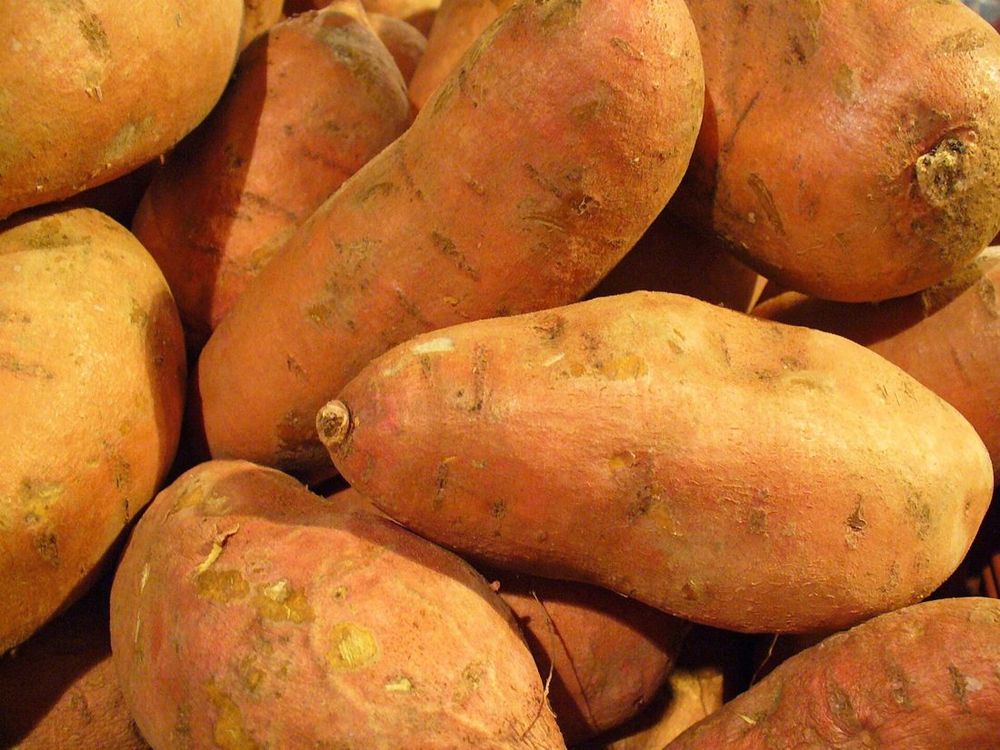
Photo: Llez, CC BY-SA 3.0, via Wikimedia Commons

- Sun
- Full sun
- Soil
- Sandy, well-drained, moderately fertile soil
- Soil pH
- 5.5-6.5
- Water
- At least 1 in per week; tolerates occasional dry spells
- Hardiness
- Frost-tender. Perennial only in USDA zones 9-11; grown as an annual elsewhere. Plant when the soil is above 65°F, well after the last frost
- Height and spread
- Low-growing trailing vines spreading 8-10 ft

Guv's tipPlant sweet potato slips after frost once the soil is above 65°F. Harvest before the soil cools or frost, then cure them at 80-85°F.
Through the year
Months are a rough guide. Time it by your own frost dates: after last frost (warm season).
When to plant
Plant slips after frost when the soil is above 65°F: May-Jun (South Carolina Apr 15-Jun 15; Mississippi from early May)
Harvest or flowering
Harvest 90-120 days after planting, Sep-Oct, before the soil cools below about 55-60°F or frost. Cure at 80-85°F
Pruning
None
Making more plants
Slips (sprouts) from stored roots
Watch out for
Sweetpotato weevil
Look for: Tunnels in roots and stems (mainly Gulf South)
What to do: Weevil-free certified slips, rotation, pheromone-trap monitoring
Wireworms
Look for: Small holes in storage roots
What to do: Avoid fields just out of sod; rotation; bait-monitor before planting
Black rot
Ceratocystis fimbriataLook for: Dark, sunken circular spots on roots
What to do: Certified slips cut above soil line, sanitation, rotation
Scurf
Monilochaetes infuscansLook for: Grayish-brown to black skin staining
What to do: Certified seed roots, cut slips above soil line, rotation
Always read and follow the label on any treatment, and check it is approved for use where you live.
Safety and spread
Pets and people: Non-toxic to cats, dogs and horses (NC State Extension)
Weed risk: None known
The Plant Doctor and the Guv's book
Printable pest and disease charts with real photographs, and all 50 USA plants in one book.