 Guv's Gardens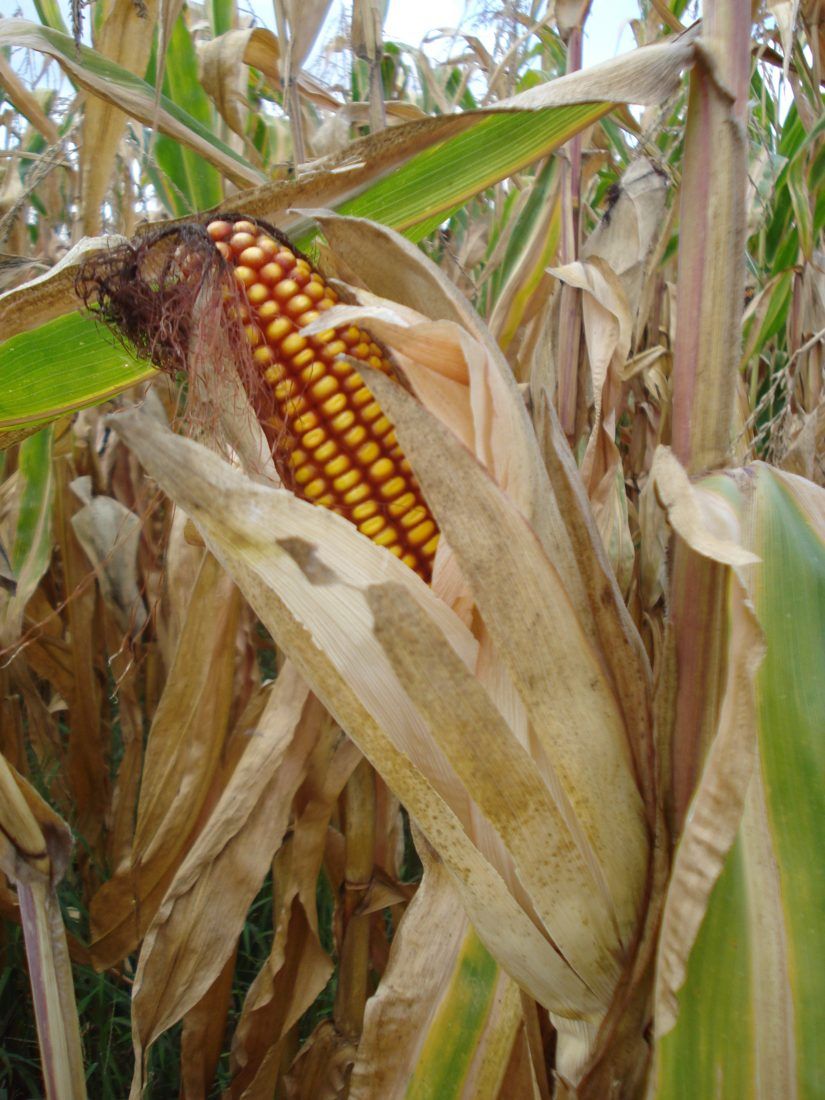
Photo: Silverije, CC BY-SA 3.0, via Wikimedia Commons
.JPG)
- Sun
- Full sun
- Soil
- Fertile, well-drained soil with organic matter
- Soil pH
- 6.0-6.5 is best; 5.8-7.0 is acceptable
- Water
- At least 1 in per week. Critical at pollination (silking) and while ears fill
- Hardiness
- Warm-season annual (USDA zones 2-11)
- Height and spread
- 5-8 ft tall or more x 1-2 ft wide (in-row spacing 12-18 in)

Guv's tipCorn is wind-pollinated, so plant it in blocks of several short rows, not one long line. Harvest when the kernels are milky. Trust me on this one.
Through the year
Months are a rough guide. Time it by your own frost dates.
When to plant
Sow direct when the soil reaches about 50-60°F (65°F for extra-sweet or untreated seed): South Carolina coast Mar-mid Apr, South Carolina Piedmont end Mar-May, Minnesota about May
Harvest or flowering
Ears are ready about 20 days after silking, 75-95 days after planting (mid-late summer). Harvest when kernels are milky
Pruning
None. Removing suckers (tillers) is not necessary and may reduce yield
Making more plants
Seed. Plant in blocks of several short rows (corn is wind-pollinated)
Watch out for
Corn earworm
Look for: Caterpillar and chewed kernels at ear tip
What to do: Plant early-maturing varieties early; Bt; cut off damaged tips
European corn borer
Look for: Holes in stalks and ears, broken tassels, tunneling
What to do: Bt timed to egg hatch; remove/destroy crop residue after harvest
Common smut
Ustilago maydisLook for: Swollen gray-white galls on ears, tassels or stalks that burst into black spores
What to do: Remove galls before they rupture, remove debris, tolerant hybrids
Common rust
Puccinia sorghiLook for: Cinnamon-brown powdery pustules on leaves
What to do: Resistant hybrids
Always read and follow the label on any treatment, and check it is approved for use where you live.
Safety and spread
Pets and people: Not toxic. Corn kernels are safe for dogs in moderation, but cobs are a choking and intestinal-blockage hazard. (The ASPCA's "corn plant" is Dracaena, a different plant)
Weed risk: Not on the federal noxious weed list. The USDA PLANTS database shows no federal or state noxious or invasive status
The Plant Doctor and the Guv's book
Printable pest and disease charts with real photographs, and all 50 USA plants in one book.