 Guv's Gardens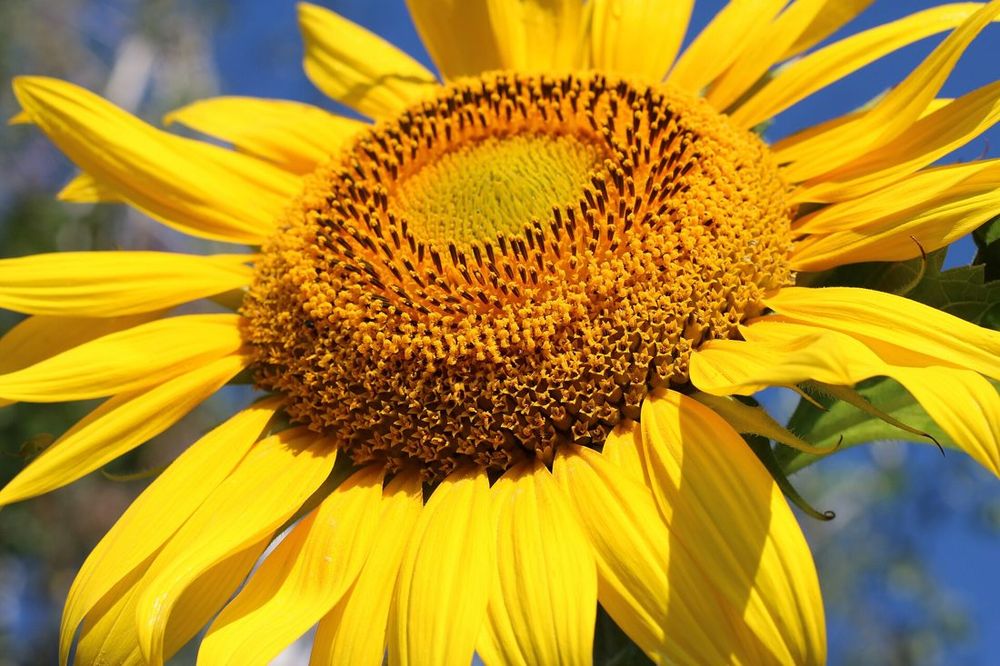
Photo: George Chernilevsky, CC BY 4.0, via Wikimedia Commons

- Sun
- Full sun
- Soil
- Well-drained; tolerates poor soil
- Soil pH
- Best about 6.0-6.8; broadly near-neutral, and tolerates neutral to alkaline soil
- Water
- Moderate; drought-tolerant
- Hardiness
- Annual, grown in all zones (USDA zones 2-11)
- Height and spread
- 1-10 ft or more x 1.5-3 ft, by cultivar (dwarf types under 3 ft; giants 8-15 ft)
Guv's tipBirds and squirrels go for sunflower seed heads. Put netting over them and remove leaves near the heads to deter perching.
Through the year
When to plant
Sow direct after danger of frost has passed (early-mid May in central Illinois). The exact month depends on your local frost date
Harvest or flowering
Summer into fall (about Jul-Aug). Seed heads mature in late summer to fall
Pruning
None needed. Stake tall types in exposed sites
Making more plants
Seed
Watch out for
Birds / squirrels
Look for: Seed eaten from heads
What to do: Netting or other barrier over seed heads; remove leaves near heads to deter perching
Caterpillars, beetles, stink bugs, aphids
Look for: Chewed or damaged foliage
What to do: Vigorous plants usually tolerate; IPM approach, hand-remove as needed
Powdery mildew
Golovinomyces cichoracearum and related speciesLook for: White powdery patches on leaves and stems
What to do: Proper spacing/air circulation, remove affected leaves; low-impact fungicide (sulfur, potassium bicarbonate, oil) if severe
Rust
Puccinia helianthiLook for: Pale yellow/orange spots then cinnamon-brown pustules on leaves
What to do: Spacing, avoid excess nitrogen, fall cleanup, rotate, remove volunteers; resistant hybrids
Always read and follow the label on any treatment, and check it is approved for use where you live.
Safety and spread
Pets and people: Non-toxic to dogs, cats and horses (ASPCA). Rated safe by the University of Arizona, and not listed as poisonous by NC State Extension
Weed risk: Not on the federal noxious weed list. Can self-seed and become weedy
The Plant Doctor and the Guv's book
Printable pest and disease charts with real photographs, and all 50 USA plants in one book.