 Guv's Gardens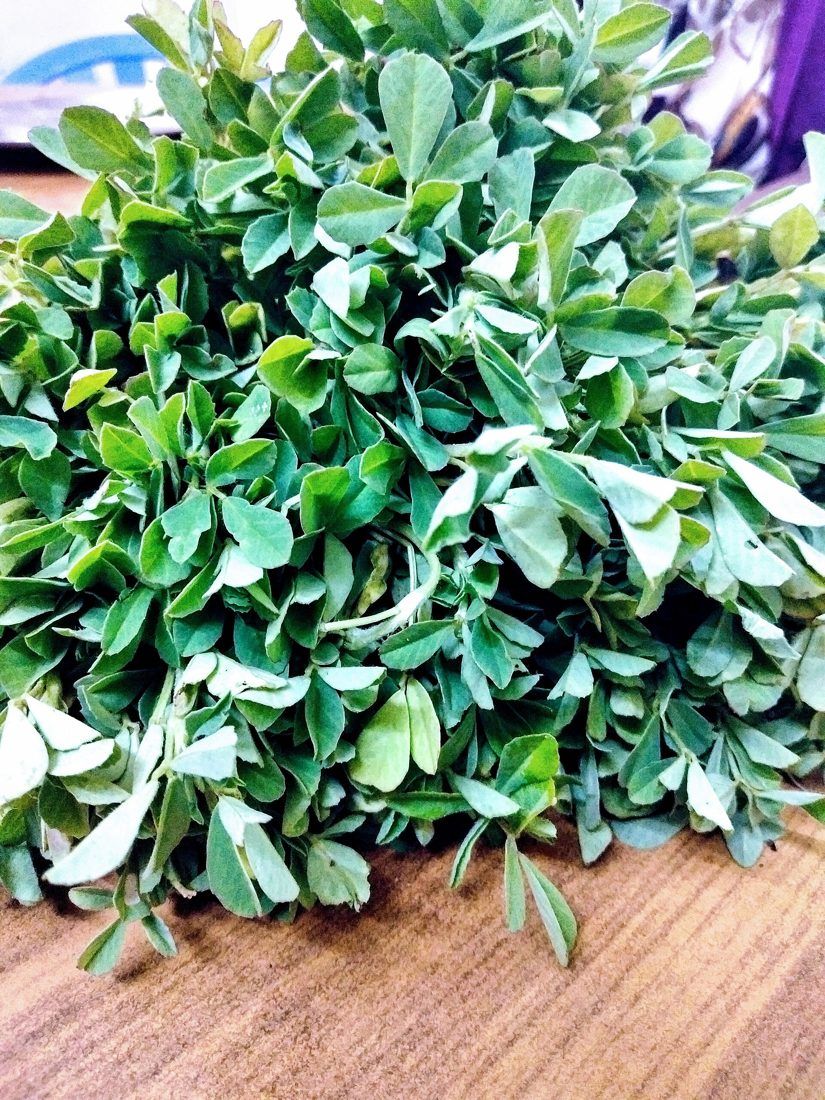
Photo: Sathya Madhu, CC BY-SA 4.0, via Wikimedia Commons

- Sun
- Full sun to part shade (shade helps in warm weather)
- Soil
- Moist, fertile, well-drained sandy loam high in organic matter
- Soil pH
- About 6.0-7.0 (neutral); sensitive to acid soils
- Water
- Keep consistently moist (soak to about 6 in). Drying out triggers bolting
- Hardiness
- Hardy cool-season annual. Tolerates about 15-20°F and can overwinter in mild areas
- Height and spread
- 6-12 in x 6-12 in

Guv's tipKeep spinach consistently moist, because drying out triggers bolting. Cut the outer full-size leaves and it'll keep regrowing.
Through the year
When to plant
Spring: 4-8 weeks before the last frost, once the soil reaches about 45°F (South Carolina Piedmont mid Mar-mid Apr, South Carolina coast Feb-Mar). Fall: 6-8 weeks before the first frost (South Carolina Aug-Oct)
Harvest or flowering
Harvest 28-55 days from seed in spring and fall. Bolts with long days and heat (in Pennsylvania the spring crop usually ends by late May-June)
Pruning
Cut the outer full-size leaves to encourage regrowth
Making more plants
Seed, sown direct 1/2 in deep
Watch out for
Aphids
Look for: Colonies on leaves; curling, sticky foliage
What to do: Conserve natural enemies; insecticidal soap or oils
Spinach leafminer
Look for: Tan, blotchy tunnels in leaves
What to do: Remove affected leaves, control weeds (lambsquarters), fine-mesh row covers; spinosad
Downy mildew
Peronospora effusaLook for: Yellow patches on upper leaf, gray-purple growth beneath
What to do: Resistant varieties, avoid overhead watering
White rust
Albugo occidentalisLook for: White blister-like pustules on leaf undersides
What to do: Rotation; control weeds and volunteer spinach; copper fungicide if needed
Always read and follow the label on any treatment, and check it is approved for use where you live.
Safety and spread
Pets and people: Low toxicity. Oxalic acid is harmful only in large quantities over time (NC State Extension: low severity). Dogs can eat small amounts, but the high oxalate content makes it a poor regular treat. Not listed by the ASPCA
Weed risk: Not on the federal noxious weed list. The USDA PLANTS database shows no federal or state noxious or invasive status
The Plant Doctor and the Guv's book
Printable pest and disease charts with real photographs, and all 50 USA plants in one book.