 Guv's Gardens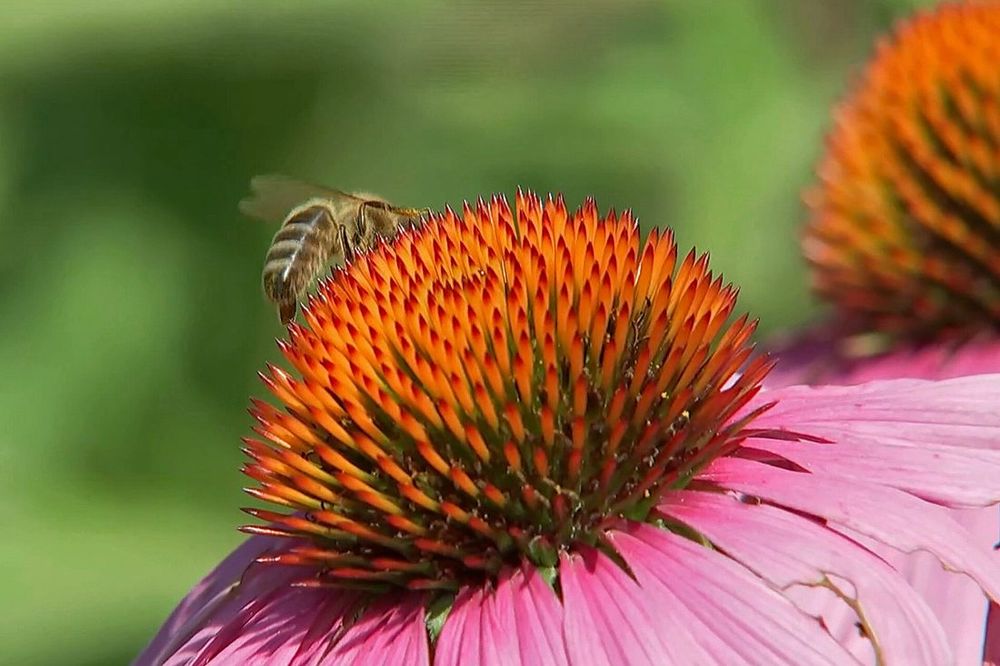
Photo: W. Bulach, CC BY-SA 4.0, via Wikimedia Commons
.jpg)
- Sun
- Full sun
- Soil
- Evenly moist, well-drained soil; tolerates clay and rocky soil
- Soil pH
- Varies: about 5.5-6.5 or 6.0-8.0 are both given. Tolerates slightly acid to neutral soil
- Water
- Keep evenly moist when young. Drought- and heat-tolerant once established
- Hardiness
- USDA zones 3-9 (some say 3-8)
- Height and spread
- 2-4 ft x 1-2 ft
Guv's tipHold off deadheading coneflowers and leave the seed heads for goldfinches. Fall is the best time to plant them.
Through the year
Months are a rough guide. Time it by your own frost dates: fall planting.
When to plant
Fall is best; transplanting in spring after frost is also used
Flowering
Jun-Aug or early Sep, with some rebloom until frost
Pruning
Delay deadheading and leave seed heads for goldfinches. Cut back diseased plants and remove debris in fall
Making more plants
Seed (cold stratification improves germination; self-sows) and division of crowns
Watch out for
Japanese beetle
Look for: Chewed flowers and leaves
What to do: Hand-pick into soapy water early or late in day
Aster yellows
Phytoplasma spread by aster leafhopper (Macrosteles quadrilineatus)Look for: Green, tufted, distorted flowers; yellowing, stunting
What to do: No cure - remove and destroy infected plants including roots
Powdery mildew
Powdery mildew fungi (Erysiphaceae)Look for: White powdery coating on leaves
What to do: Proper spacing and air flow, sanitation; low-impact fungicide if severe
Always read and follow the label on any treatment, and check it is approved for use where you live.
Safety and spread
Pets and people: Not listed as toxic by the ASPCA, NC State Extension or the University of California toxic plant list
Weed risk: Not on the federal noxious weed list
The Plant Doctor and the Guv's book
Printable pest and disease charts with real photographs, and all 50 USA plants in one book.