 Guv's Gardens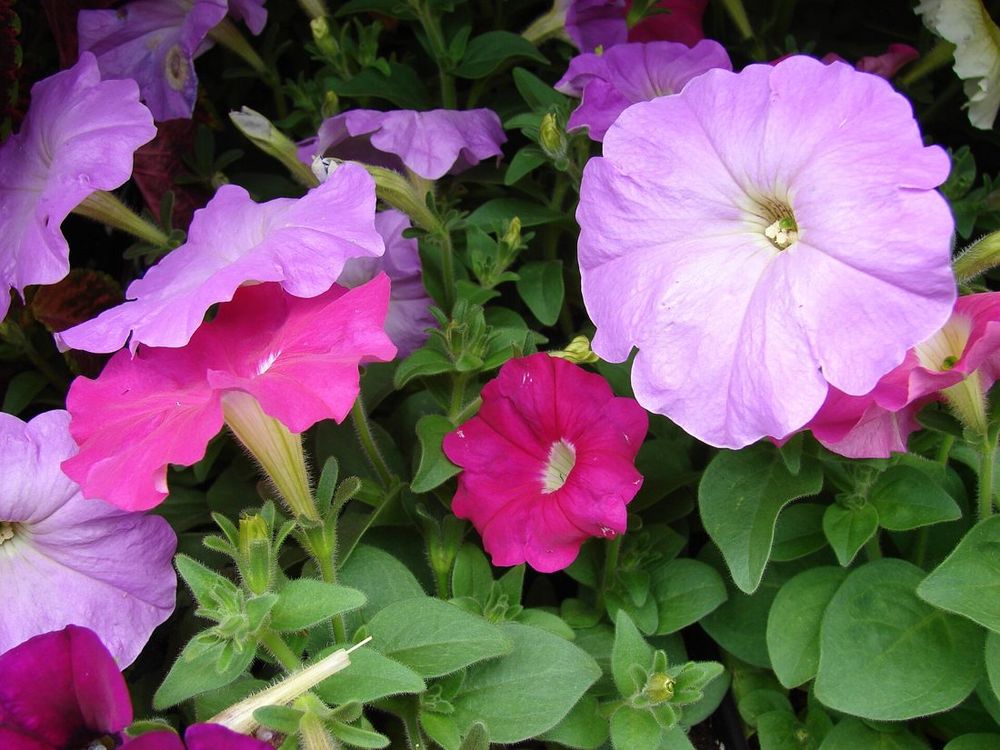
Photo: Forest & Kim Starr, CC BY 3.0, via Wikimedia Commons

- Sun
- Full sun
- Soil
- Well-drained, fertile soil
- Soil pH
- Slightly acidic, about 6.0-7.0
- Water
- In beds, 1-2 in every 7-10 days. Containers need more frequent watering
- Hardiness
- Grown as a warm-season annual. A tender perennial only in USDA zones 9 or 10 to 11
- Height and spread
- 6-18 in x 1-3 ft
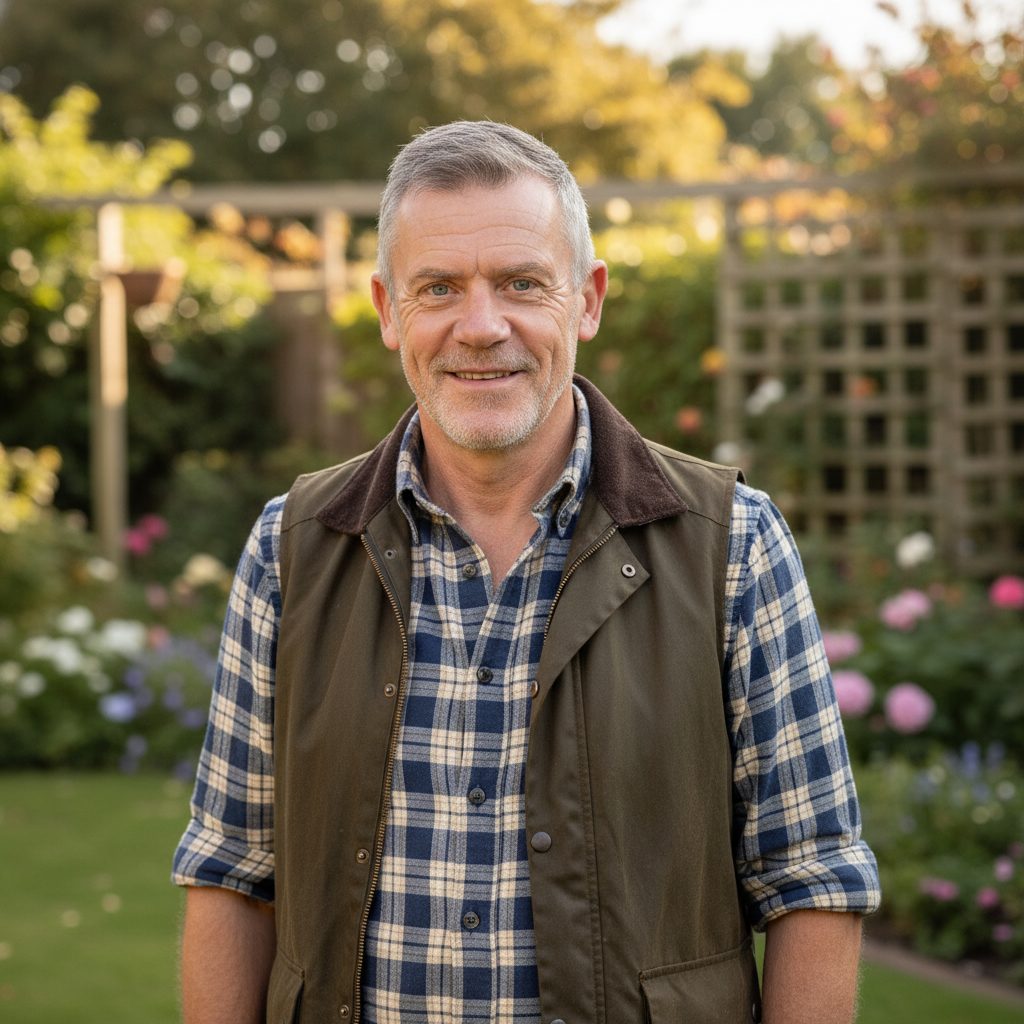
Guv's tipPetunias getting leggy? Cut those shoots back by about half in midsummer. Containers need more frequent watering than beds, mind.
Through the year
When to plant
Transplant after danger of frost is past (start seed indoors 8-10 weeks before the last frost). The exact month depends on your local frost date
Harvest or flowering
Spring or early summer until frost
Pruning
Deadhead large-flowered types. Cut leggy shoots back by about half in midsummer
Making more plants
Seed, started indoors
Watch out for
Aphids
Look for: Clusters of small soft insects on shoots, sticky honeydew, curled leaves
What to do: Hose off; insecticidal soap or oil; conserve lady beetles
Slugs and snails
Look for: Irregular holes in leaves and flowers, slime trails
What to do: Hand-pick, remove shelter, slug bait (iron phosphate)
Gray mold (Botrytis blight)
Botrytis cinereaLook for: Spotted, papery brown flowers covered with gray fuzz
What to do: Remove spent flowers, improve air circulation, avoid wetting flowers
Phytophthora root/crown rot
Phytophthora spp.Look for: Rapid wilting, crown rot, collapse
What to do: Improve drainage/raised beds, avoid overwatering, remove infected plants
Always read and follow the label on any treatment, and check it is approved for use where you live.
Safety and spread
Pets and people: Non-toxic to dogs, cats and horses (ASPCA). Not listed as poisonous by NC State Extension and not on the University of California toxic plant list
Weed risk: Not on the federal noxious weed list
The Plant Doctor and the Guv's book
Printable pest and disease charts with real photographs, and all 50 USA plants in one book.