 Guv's Gardens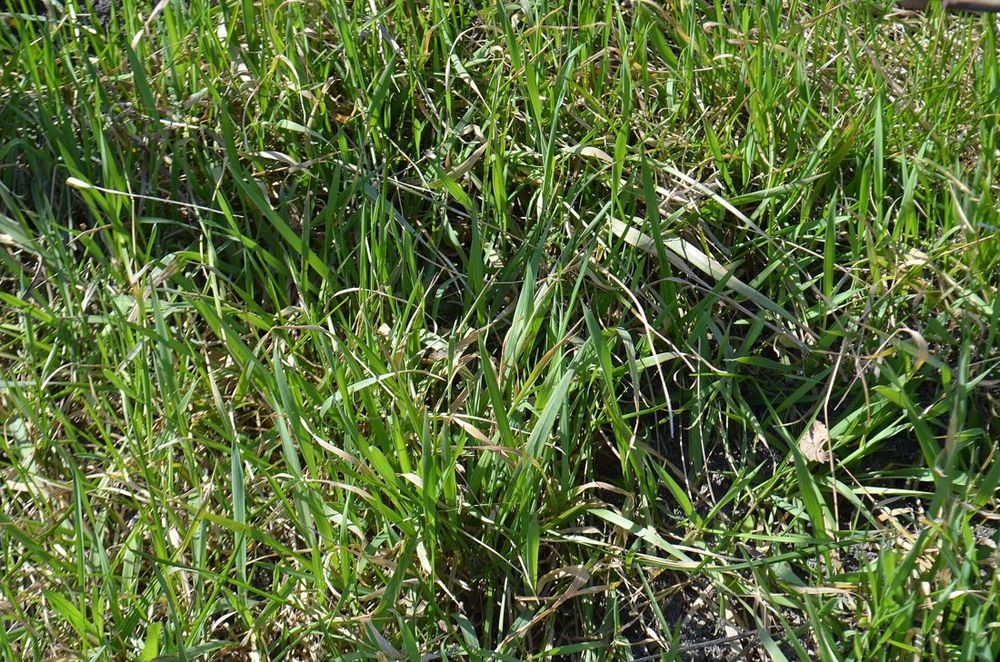
Photo: Ethan2039, CC BY-SA 4.0, via Wikimedia Commons

- Sun
- Full sun; tolerates light or partial shade
- Soil
- Well-drained, moist loam
- Soil pH
- Slightly acidic to neutral, about 6.0-7.0; also tolerates neutral to alkaline soil
- Water
- About 1-1.5 in per week in the growing season. Goes dormant in drought
- Hardiness
- USDA zones 3-7; cool-season grass
- Height and spread
- Mow at 2-3.5 in. Spreads by rhizomes

Guv's tipMow bluegrass at 2-3.5 inches, higher in summer heat. Seed in late summer to early fall, mid-August to mid-September.
Through the year
Months are a rough guide. Time it by your own frost dates.
When to plant
Seed in late summer to early fall (mid-Aug to mid-Sep; overseed Aug 15-Sep 1). Lay sod during the growing season
Harvest or flowering
Flowers late spring to early summer (flowering starts in May, seed mature by mid-June). Rarely seen in regularly mown lawns
Pruning
Mow regularly at 2-3.5 in, higher in summer heat
Making more plants
Seed or sod; spreads by rhizomes
Watch out for
White grubs (e.g. Japanese beetle larvae)
Look for: Brown patches; turf lifts like carpet
What to do: Labeled grub control: preventive in June when adults lay eggs, or curative after rain when grubs feed near the surface
Summer patch
Magnaporthiopsis poaeLook for: Orange-brown to straw circular patches/rings of dead turf in summer
What to do: Mow at about 3 in, water deeply and infrequently, core aerate, use balanced nitrogen and resistant cultivars. If severe, apply a fungicide preventively (when soil is above 65°F)
Always read and follow the label on any treatment, and check it is approved for use where you live.
Safety and spread
Pets and people: Not listed as toxic by the ASPCA or the University of California toxic plant list
Weed risk: Not on the federal noxious weed list
The Plant Doctor and the Guv's book
Printable pest and disease charts with real photographs, and all 50 USA plants in one book.