 Guv's Gardens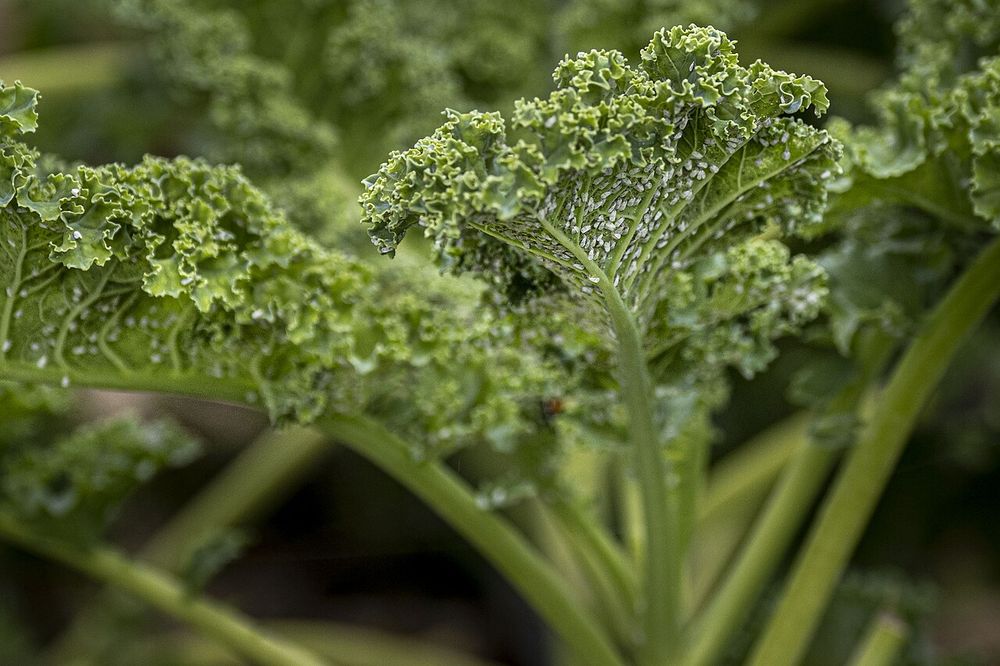
Photo: USDAgov, Public domain, via Wikimedia Commons
.jpg)
- Sun
- Full sun; tolerates part shade
- Soil
- Fertile, well-drained loam high in organic matter
- Soil pH
- About neutral, 6.0-7.5 (acid to neutral is also accepted)
- Water
- Keep evenly moist, about 1-2 in per week
- Hardiness
- Cool-season biennial grown as an annual. Very frost-tolerant: young plants withstand about 25°F, and leaves keep producing after fall frosts
- Height and spread
- About 1-2 ft tall x 1-2 ft wide (range 10 in-3 ft). Space large plants 12-24 in apart in the row
Guv's tipHarvest kale from the bottom up, taking the outer leaves and no more than about a third at once. Always leave that central bud.
Through the year
Months are a rough guide. Time it by your own frost dates: outdoors before last frost (cool season).
When to plant
Spring: sow as soon as the soil can be worked, or transplant 4-5 weeks before the last frost (start indoors about Apr in Minnesota). Fall: sow direct about 3 months before the first frost (start transplants in June in Minnesota)
Harvest or flowering
Harvest leaves from about 50-55 days, from spring through fall and after frosts
Pruning
No pruning. Harvest the outer, lower leaves as they reach full size, from the bottom up, taking no more than about one-third at once and leaving the central bud
Making more plants
Seed or transplants
Watch out for
Imported cabbageworm / cabbage looper
Look for: Green caterpillars; ragged holes in leaves
What to do: Bt (Bacillus thuringiensis), row covers, hand-pick
Cabbage aphid
Look for: Gray, waxy colonies on leaves
What to do: Strong water spray; insecticidal soap
Black rot
Xanthomonas campestris pv. campestrisLook for: Yellow V-shaped lesions from leaf margins, darkened veins
What to do: Clean/treated seed, rotation, remove crop debris
Clubroot
Plasmodiophora brassicaeLook for: Swollen, clubbed roots; wilting, stunted plants
What to do: Raise soil pH to neutral or above by liming (infection is favored in acid soils below about 6.5, though it can still occur above pH 7.0). Rotate away from brassicas for a long time, and avoid moving infested soil
Always read and follow the label on any treatment, and check it is approved for use where you live.
Safety and spread
Pets and people: Low toxicity. Not listed by the ASPCA. Kale contains calcium oxalate and isothiocyanates, which can cause stomach irritation and a stone risk; small amounts may be OK for dogs, but it is harmful in large amounts and not a regular treat. Livestock eating large quantities of brassica forage can develop anemia and other disorders
Weed risk: Not on the federal noxious weed list. The USDA PLANTS database shows no federal or state noxious or invasive status
The Plant Doctor and the Guv's book
Printable pest and disease charts with real photographs, and all 50 USA plants in one book.