 Guv's Gardens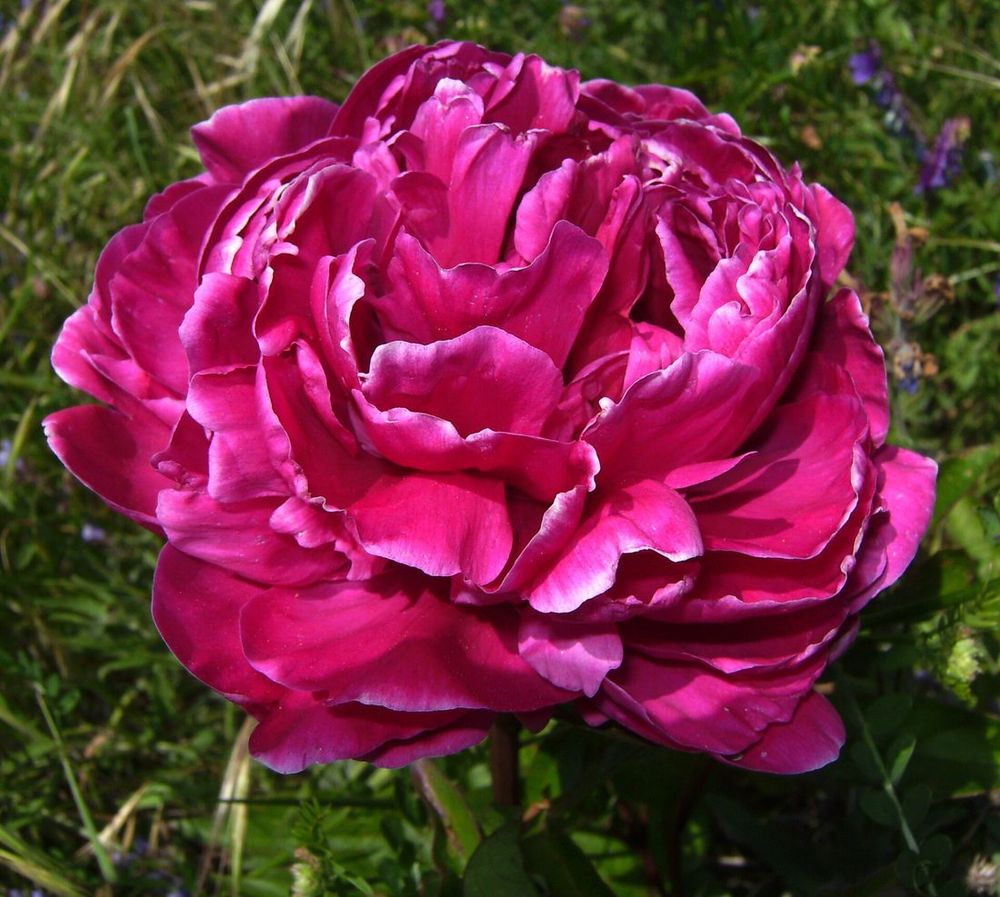
Photo: Victor M. Vicente Selvas, Public domain, via Wikimedia Commons

- Sun
- Full sun
- Soil
- Well-drained, fertile soil
- Soil pH
- Slightly acidic to neutral, about 6.0-7.0
- Water
- Moderate
- Hardiness
- USDA zones 3-8. Needs winter chill
- Height and spread
- 2-3 ft x 2-3 ft

Guv's tipCut peony stems to the ground in fall and destroy them, don't compost them, to limit botrytis. And leave the ants be; they're harmless.
Through the year
Months are a rough guide. Time it by your own frost dates: fall planting.
When to plant
Fall: plant, divide or move in late Sep-Oct. Set the eyes 1-2 in deep
Flowering
Mid-late spring (May-Jun)
Pruning
Cut stems to the ground in fall and destroy them (do not compost) to limit botrytis. Stake or hoop heavy blooms
Making more plants
Division in early fall; each division should have 3-5 eyes with roots
Watch out for
Ants
Look for: Ants on flower buds
What to do: Harmless and not needed for blooming - no treatment
Botrytis blight (gray mold)
Botrytis paeoniae and B. cinereaLook for: Browning/blackened buds, stems and leaves with gray mold in wet weather
What to do: Remove infected parts, cut down and destroy foliage in fall, improve air circulation; registered fungicide from shoot emergence if needed
Powdery mildew
Powdery mildew fungi (Erysiphaceae)Look for: White powdery coating on leaves late in season
What to do: Sun and air circulation, tolerate (cosmetic); low-impact fungicide if severe
Always read and follow the label on any treatment, and check it is approved for use where you live.
Safety and spread
Pets and people: Toxic to dogs, cats and horses. Paeonol (in the bark, roots and plant) causes vomiting, diarrhea and depression; usually mild stomach upset (ASPCA; Pet Poison Helpline)
Weed risk: Not on the federal noxious weed list
The Plant Doctor and the Guv's book
Printable pest and disease charts with real photographs, and all 50 USA plants in one book.