 Guv's Gardens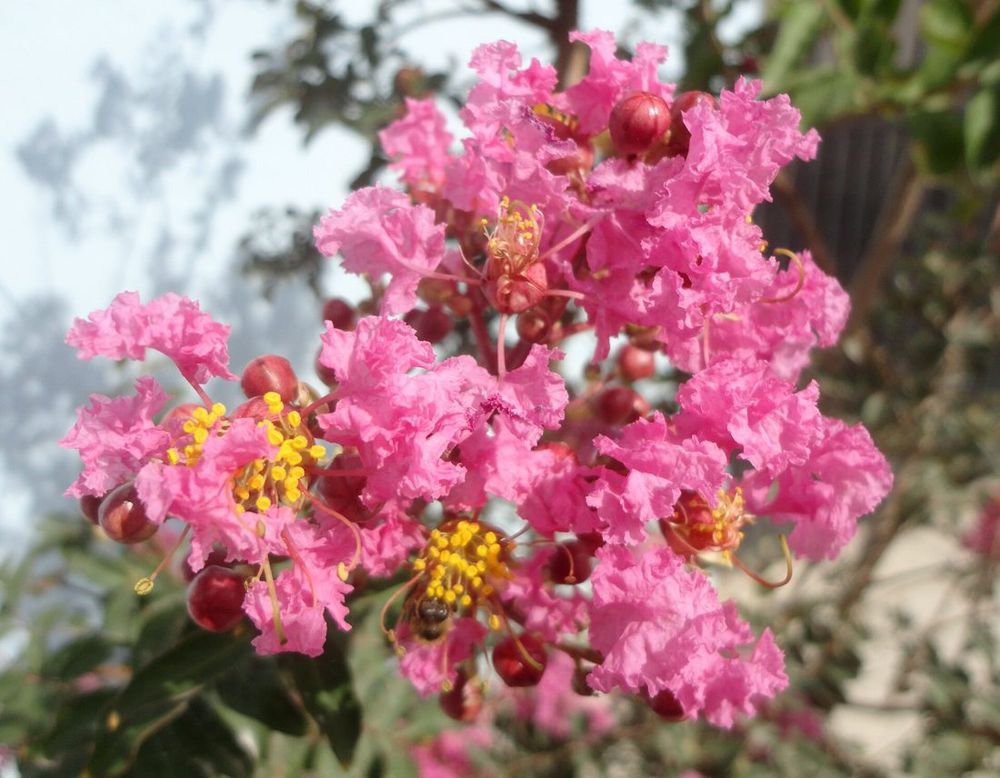
Photo: Juan Carlos Fonseca Mata, CC BY-SA 4.0, via Wikimedia Commons

- Sun
- Full sun
- Soil
- Well-drained, adaptable
- Soil pH
- About 5.0-6.5; tolerates acid to alkaline soil
- Water
- Low once established; highly drought-tolerant
- Hardiness
- USDA zones 6-9 or 7-9, depending on cultivar
- Height and spread
- Dwarf to 30 ft (occasionally 40 ft). L. indica 10-30 ft x 15-25 ft
Guv's tipPlease, no topping your crape myrtle. Choose a cultivar of the right size and prune in late winter or early spring instead.
Through the year
When to plant
Fall or early spring. Avoid summer
Harvest or flowering
Early summer into fall
Pruning
Late winter or early spring, before new growth. Avoid topping ("crape murder"); choose a cultivar of the right size. Rub off or remove suckers and crossing branches
Making more plants
Cuttings (also seed)
Watch out for
Crapemyrtle bark scale
Look for: White felty scales on bark, black sooty mold
What to do: Brush/scrub scale off bark; dormant oil plus systemic insecticide for severe infestations (labeled products)
Crape myrtle aphid (Sarucallis kahawaluokalani)
Look for: Pale yellow-green aphids, honeydew, sooty mold
What to do: Water spray; insecticidal soap/oil; conserve lady beetles and lacewings
Powdery mildew
Erysiphe lagerstroemiaeLook for: White-gray powdery growth on leaves, flowers, shoots
What to do: Full sun, air circulation, mildew-resistant cultivars; fungicide rarely needed (cosmetic)
Cercospora leaf spot
Cercospora-type fungus (Pseudocercospora lythracearum)Look for: Yellow to brown spots, late-summer leaf drop
What to do: Resistant cultivars, good air circulation; mainly cosmetic
Always read and follow the label on any treatment, and check it is approved for use where you live.
Safety and spread
Pets and people: Non-toxic to dogs, cats and horses (ASPCA). Not listed as poisonous by NC State Extension
Weed risk: Not on the federal noxious weed list
The Plant Doctor and the Guv's book
Printable pest and disease charts with real photographs, and all 50 USA plants in one book.