 Guv's Gardens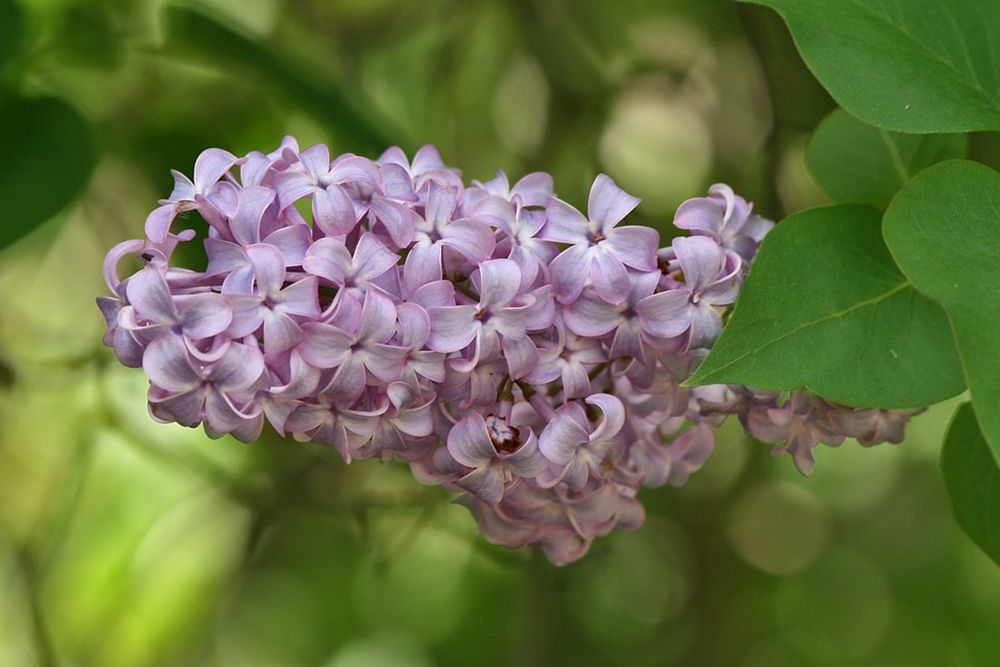
Photo: Jjron, CC BY-SA 3.0, via Wikimedia Commons

- Sun
- Full sun
- Soil
- Well-drained soil
- Soil pH
- About 7.0 to slightly alkaline
- Water
- Moderate. Avoid waterlogging (overwatering causes leaf scorch)
- Hardiness
- USDA zones 3-7
- Height and spread
- 8-16 ft x 6-12 ft

Guv's tipPrune lilacs immediately after blooming, or you'll cut off next year's show. Renewal-prune the oldest stems on established plants.
Through the year
Months are a rough guide. Time it by your own frost dates.
When to plant
Fall or early spring. Avoid summer
Flowering
Spring; blooms last 10-14 days
Pruning
Deadhead and prune immediately after blooming. On established plants, renewal-prune the oldest stems
Making more plants
Softwood stem cuttings, or rooted suckers from own-root plants (many nursery lilacs are grafted, and rootstock suckers will not come true)
Watch out for
Lilac (ash) borer (Podosesia syringae, clearwing moth larva)
Look for: Holes and sawdust-like frass in stems; wilting stems
What to do: Prune out and destroy infested stems (not while adult moths are flying); renewal-prune old stems; beneficial nematodes; labeled bark spray at moth emergence
Oystershell scale
Look for: Gray oyster-shaped scales encrusting stems
What to do: Dormant horticultural oil; oil or insecticidal soap on crawlers (about mid-June); remove heavily infested stems
Powdery mildew
Erysiphe syringaeLook for: Dry white fungal growth on leaves
What to do: Full sun, spacing/air flow, resistant cultivars; largely cosmetic
Bacterial blight
Pseudomonas syringaeLook for: Leaves and shoots turn brown-black, stay attached; worse in cool wet weather
What to do: Prune out infected shoots well below disease, disinfecting tools between cuts; avoid overhead watering; resistant cultivars; copper bactericide in early spring if needed
Always read and follow the label on any treatment, and check it is approved for use where you live.
Safety and spread
Pets and people: Not listed as toxic by NC State Extension or the University of California toxic plant list
Weed risk: Not on the federal noxious weed list
The Plant Doctor and the Guv's book
Printable pest and disease charts with real photographs, and all 50 USA plants in one book.