 Guv's Gardens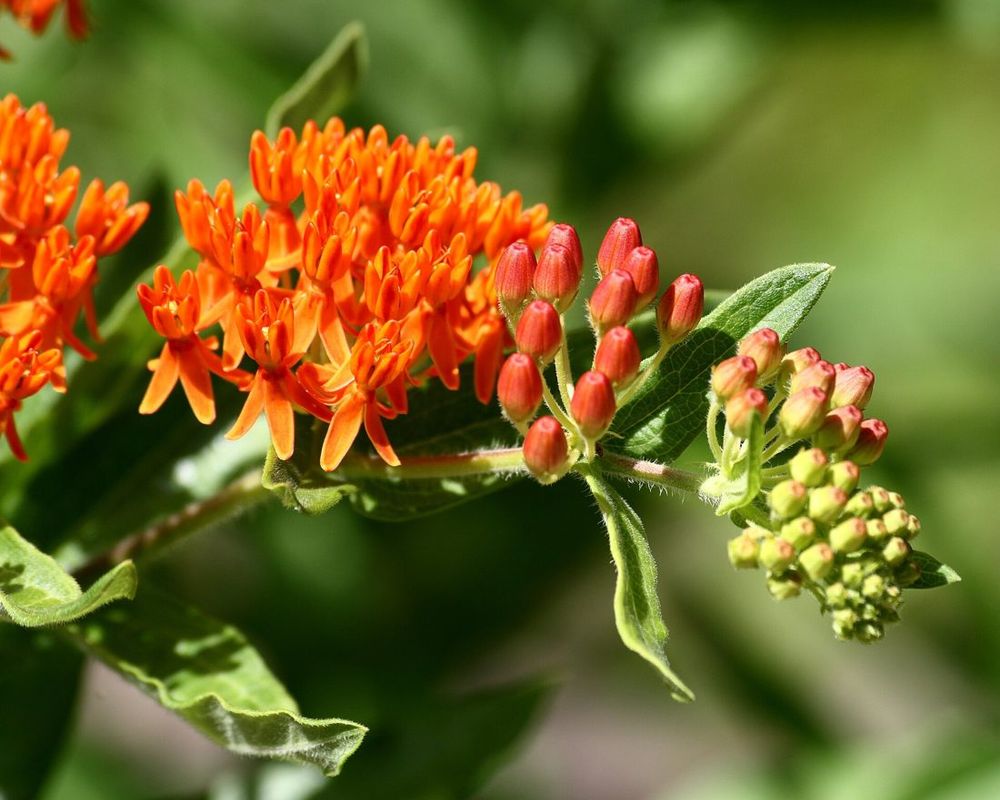
Photo: Ragesoss, CC BY-SA 3.0, via Wikimedia Commons

- Sun
- Full sun
- Soil
- Well-drained, dry, sandy soil; tolerates poor soil
- Soil pH
- Not critical: grows in almost any well-drained soil and prefers sandy or poor soil
- Water
- Low. Long taproot; drought-tolerant
- Hardiness
- USDA zones 3-9 (some say 4-9)
- Height and spread
- 1-2 ft x 1-1.5 ft
Guv's tipButterfly weed is slow to emerge in spring, so mark the spot. Its deep taproot resents transplanting, and do tolerate those monarch caterpillars.
Through the year
Months are a rough guide. Time it by your own frost dates.
When to plant
Sow seed outdoors in fall (for natural cold treatment), or cold-stratify and sow in spring. Plant young plants or divisions in spring or by late fall. Slow to emerge in spring, so mark the spot. The deep taproot resents transplanting
Flowering
Spring to summer, mainly Jun-Sep
Pruning
Minimal. Leave old stems until spring (it emerges late). Deadhead if you like for a second flush. Remove pods before they split to limit self-seeding. Tolerate monarch caterpillar feeding
Making more plants
Seed (needs cold stratification) or root/rhizome cuttings. Difficult to transplant
Watch out for
Aphids (often yellow oleander aphid)
Look for: Aphids clustered on stem tips
What to do: Tolerate small numbers (lady beetles eat them); knock off with strong water spray every 2-3 days; insecticidal soap if heavy; avoid insecticides that harm monarchs
Crown/root rot
Rot of the crown or taproot in wet soilLook for: Decline and rot in wet, poorly drained or soggy soil
What to do: Sharp drainage; use A. incarnata for wet sites
Always read and follow the label on any treatment, and check it is approved for use where you live.
Safety and spread
Pets and people: Toxic to dogs, cats and horses. Cardenolides (cardiac glycosides) cause vomiting, depression, weakness and possible seizures (ASPCA, milkweed). NC State Extension rates it low severity; the sap causes dermatitis. The University of California lists it as minor toxicity and a skin irritant
Weed risk: Not on the federal noxious weed list. Native to the eastern and southern US. Avoid non-native tropical milkweed (A. curassavica)
The Plant Doctor and the Guv's book
Printable pest and disease charts with real photographs, and all 50 USA plants in one book.